INTRODUCTION
Inside EMI Studios in London during the spring of 1973, session players meticulously layered crisp brass and dynamic rhythm sections for a major cinematic venture. Written by Tony Cole, the composition was tailor-made to fuse theatrical production values with commercial pop accessibility. What unique pressures shaped the creative forces behind this silver-screen musical experiment?
THE DETAILED STORY
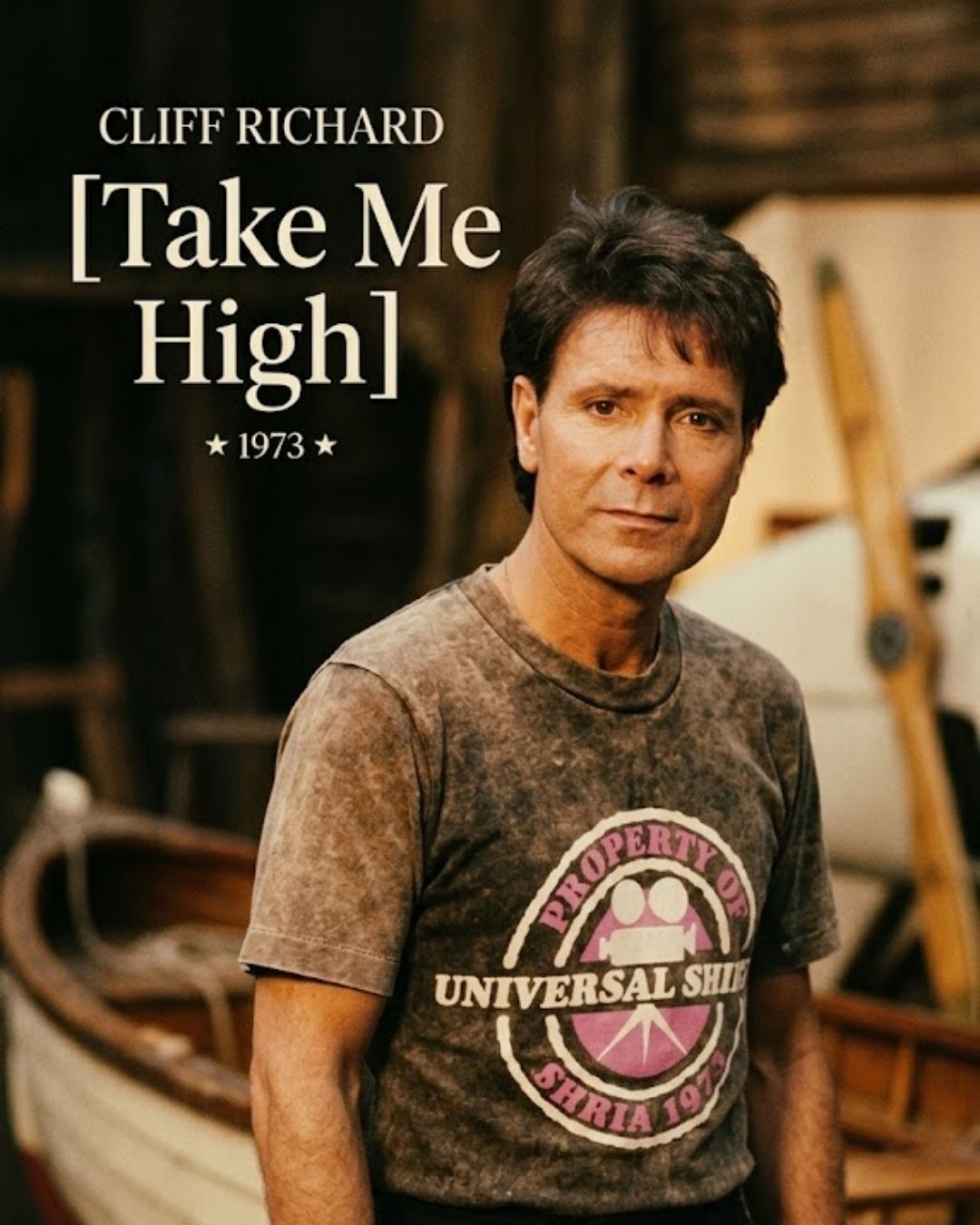
Released in November 1973, “Take Me High” served as the glittering title track for the British musical comedy film of the same name, which also went by the alternative working title Hot Property. Directed by David Askey and produced under Anglo-EMI Film Distributors, the film marked a major milestone as the final cinematic starring vehicle for Britain’s ultimate pop pioneer. By the early 1970s, the cinematic musical formula that had served British pop stars so well in the previous decade was facing immense cultural shifts. Yet, production teams pushed forward with a solid budget of four hundred thousand pounds, aiming to capture a modern aesthetic blending corporate ambition, youthful romance, and energetic pop-rock sensibilities.
The recording sessions, held across multiple dates in May and September 1973 at EMI Studios in London, brought together a powerhouse lineup of top-tier session musicians. Helmed by arranger and producer David Mackay, the track featured legendary instrumentalists including Terry Britten on guitar, Alan Tarney on bass, and Dave MacRae on keyboards. Their collective instrumentation injected a sophisticated, driving groove into Tony Cole’s songwriting, elevating the track far beyond standard cinematic fluff. The arrangement relied on punchy brass punctuations and driving percussion that gave the song an infectious urgency, mirroring the fast-paced corporate maneuvers depicted in the movie’s plot involving Birmingham industrial ventures and high-stakes business rivalry.
Lyrically, the song captures a sense of soaring aspiration and emotional elevation, aligning directly with the protagonist’s drive for success amidst personal and professional chaos. While contemporary film critics offered mixed reviews—often dismissing musical vehicles of this era as lightweight entertainment—subsequent musicological retrospectives have recognized the track as a masterclass in 1970s British studio pop craftsmanship. The meticulous attention to vocal delivery and instrumental texture demonstrated a seasoned artist adapting gracefully to a changing musical landscape dominated by glam rock and emerging progressive movements.
When the single was distributed commercially by EMI, it climbed the official UK singles chart to peak at number 27 in February 1974, enjoying a healthy twelve-week run in the top tier. Although it missed the stratospheric heights of his earlier career chartbusters, it cemented a distinct chapter in his expansive discography. Today, the track stands as a fascinating time capsule of mid-1970s British pop culture, celebrating an era when cinema and radio were tightly intertwined, preserving the timeless charisma of a legendary performer at a pivotal career crossroads.