INTRODUCTION
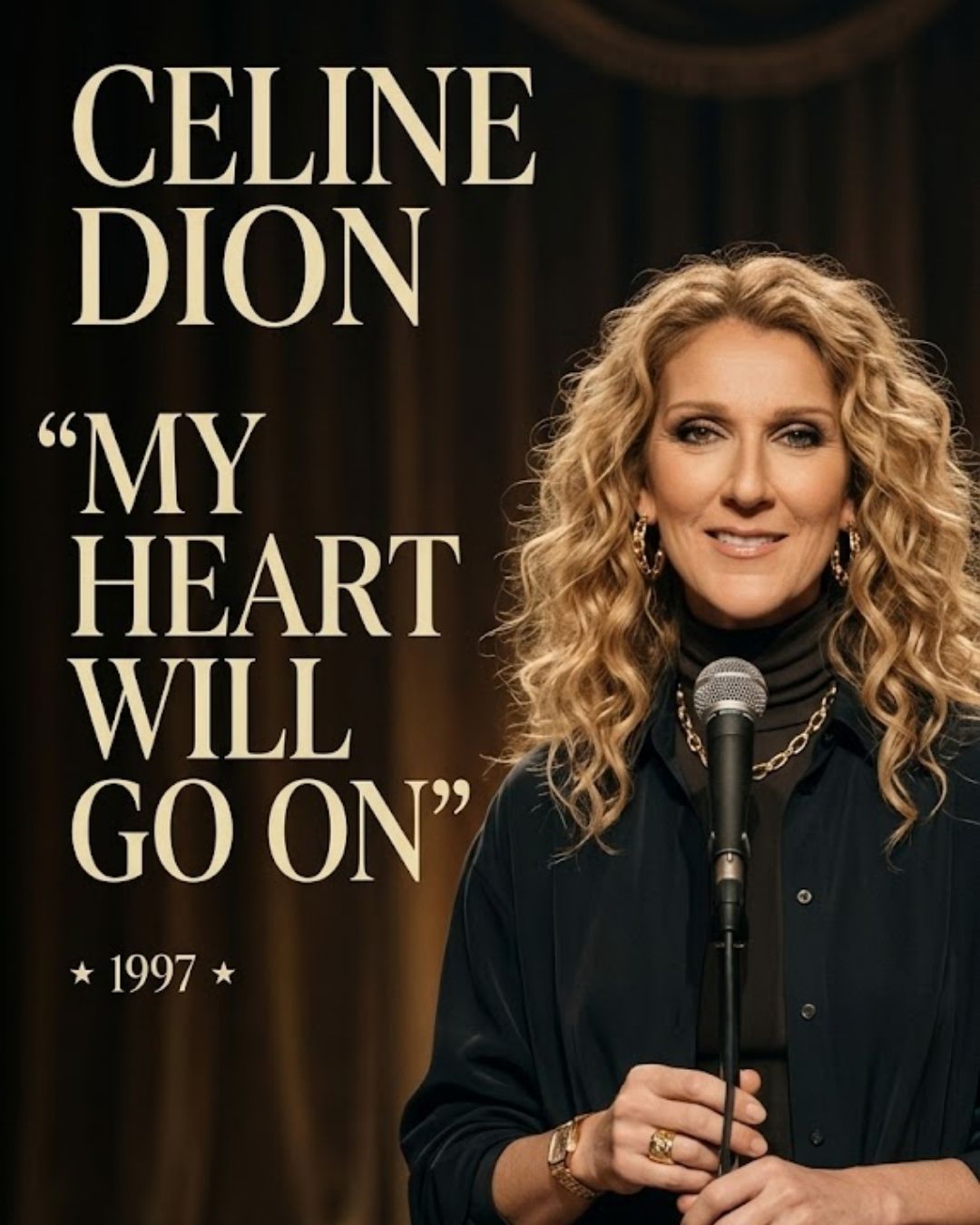
In May 1997, composer James Horner carried a secret cassette in his pocket, waiting for the right moment at the Hit Factory in New York. Céline Dion was hesitant, suffering from stomach cramps and completely uninterested in recording another movie ballad. Yet, with a single vocal take, everything shifted. How did an unwanted demo transform into the ultimate cinematic anthem?
THE DETAILED STORY
Director James Cameron had adamantly insisted that his historical epic Titanic would conclude without a commercial pop song. To Cameron, an end-credits vocal ballad risked trivializing the tragic gravity of the maritime disaster. Composer James Horner, however, recognized that the visual narrative of Jack and Rose demanded an emotional resolution that orchestral strings alone could not achieve. Working in secret with lyricist Will Jennings, Horner composed the melody and waited for the opportune moment to present it.
That moment arrived when Horner traveled to New York to meet Céline Dion and her manager-husband, René Angélil. Dion was initially reluctant to accept the project, having recently recorded prominent soundtrack themes for Beauty and the Beast and Up Close and Personal. Recognizing the song’s underlying brilliance, Angélil persuaded Dion to lay down a rough demo at the Hit Factory. Drinking a cup of black coffee to soothe her throat, Dion stepped behind the microphone and delivered a soaring, impassioned vocal performance in a single take.
When Horner brought the recorded cassette back to Los Angeles, he carried it in his briefcase for weeks, waiting until Cameron was in a receptive mood before playing it. Cameron listened silently, immediately recognizing that Dion’s dynamic range—moving effortlessly from intimate, breathy vulnerability to full-throttle cinematic power—amplified the film’s tragic romance without cheapening its historical weight. Remarkably, that original New York demo vocal was so pristine that it served as the definitive master track for the final release, with producer Walter Afanasieff later embellishing the lush orchestration and crafting the legendary key change that elevates the climax.
Released in late 1997, the single sparked an unprecedented global phenomenon. It dominated the Billboard Hot 100, topped charts in over twenty-five countries, and swept the 1999 Grammy Awards, claiming Record of the Year and Song of the Year, alongside an Academy Award for Best Original Song. Driven by the haunting tin whistle motif and Dion’s unmatched vocal timbre, the song transcended the silver screen to become a timeless standard of love, memory, and grief. Decades later, the anthem remains the gold standard of cinematic music, proving how raw emotion can immortalize human tragedy into enduring art.