Introduction
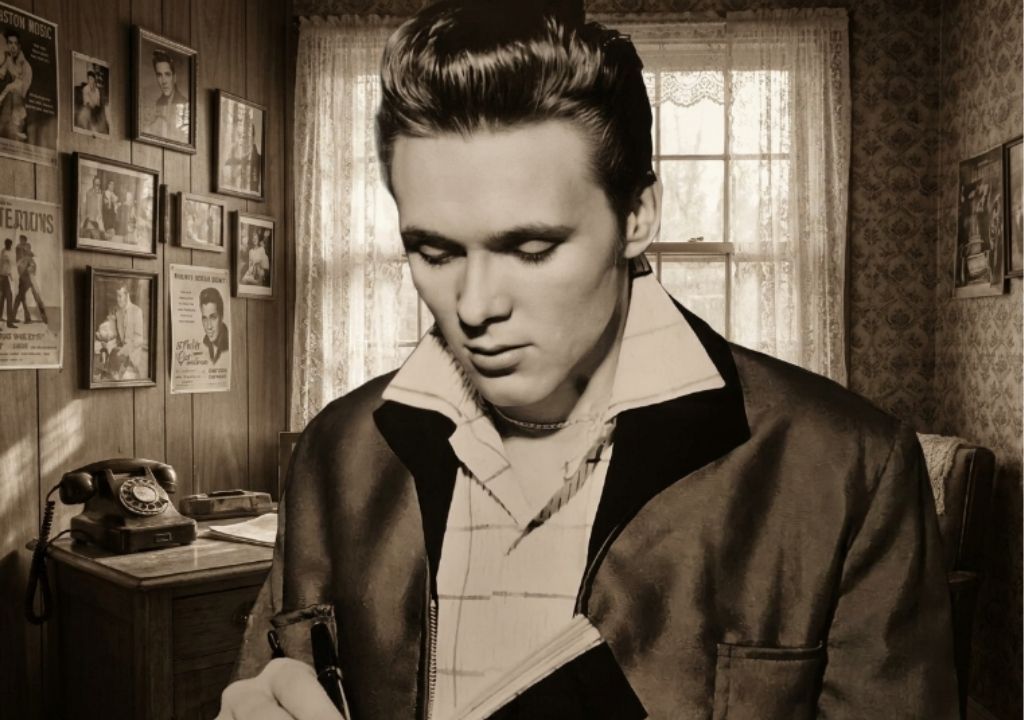
To step back into the dawn of the 1960s is to enter a world of smoky youth clubs, flickering jukebox neon, and a generation of British teenagers searching for a voice completely their own. In this monochrome landscape of post-war Britain, few figures cut as striking or emotionally raw a silhouette as Billy Fury. Born Ronald Wycherley in Liverpool, Fury was far more than just a manufactured package of looks and leather; he was a deeply intuitive songwriter and a vessel for an intense, almost fragile melancholy that set him worlds apart from his contemporaries. This profound emotional vulnerability is perhaps nowhere more heartbreakingly captured than in his self-penned masterpiece, “All I Wanna Do Is Cry,” a standout track from his legendary 1960 debut album, The Sound of Fury.
At a time when most British pop stars were reliant on cover versions of American hits or safe, sanitized tunes crafted by Tin Pan Alley songwriters, Fury did something revolutionary: he wrote his own sorrow. Recorded at the iconic Decca Studios with a stark, stripped-back backing band that featured the brilliant, weeping guitar work of Joe Brown, “All I Wanna Do Is Cry” stands as a monumental pillar of early British rockabilly and late-fifties teen tragedy. The track instantly envelops the listener in a cinematic haze of midnight solitude. It is not a song of celebratory rock-and-roll rebellion, but rather an intimate, late-night confession whispered in the dark after the dancehall lights have gone down and the crowds have vanished into the rainy English streets.
The musical arrangement itself is a masterclass in atmospheric minimalism. A steady, echo-drenched slapback bass acts as the steady thumping of a heavy heart, while the sparse guitar accents slice through the rhythm like tears cutting through greasepaint. But the true crown jewel of the track is Fury’s extraordinary vocal delivery. He possesses a voice that does not merely sing the lyrics; it bleeds them. There is an exquisite, trembling ache in his upper register as he tackles the melody, a genuine sense of despair that cannot be taught or manufactured. When he croons the desperate lines of abandonment, you do not just hear a pop star performing a sad song—you feel the ghost of a lonely Liverpool boy who spent his childhood battling rheumatic fever, finding solace only in the phantom echoes of his own imagination.
Decades later, “All I Wanna Do Is Cry” has lost none of its devastating, localized power. It remains a beautifully preserved time capsule of an era when rock-and-roll was transitioning from raw, primitive energy into a deeply personal form of psychological theater. For the modern listener, it offers an authentic glimpse into the soul of an artist who gave everything to his music, balancing the dangerous swagger of a rock god with the fragile heart of a poet. It is a hauntingly beautiful reminder that before the arrival of the screaming stadium crowds of the mid-sixties, British pop music possessed a quiet, introverted landscape where heartbreak reigned supreme, and Billy Fury was its undisputed, tragic king.