INTRODUCTION
On April 14, 1960, inside London’s Decca Studio 3, nineteen-year-old Ronald Wycherley stepped up to the microphone with a batch of self-composed songs. Producer Jack Good aimed to capture an untamed, authentic sound that Britain had never produced before. How did a shy Liverpool dockworker craft one of the era’s most electrifying rockabilly anthems?
THE DETAILED STORY
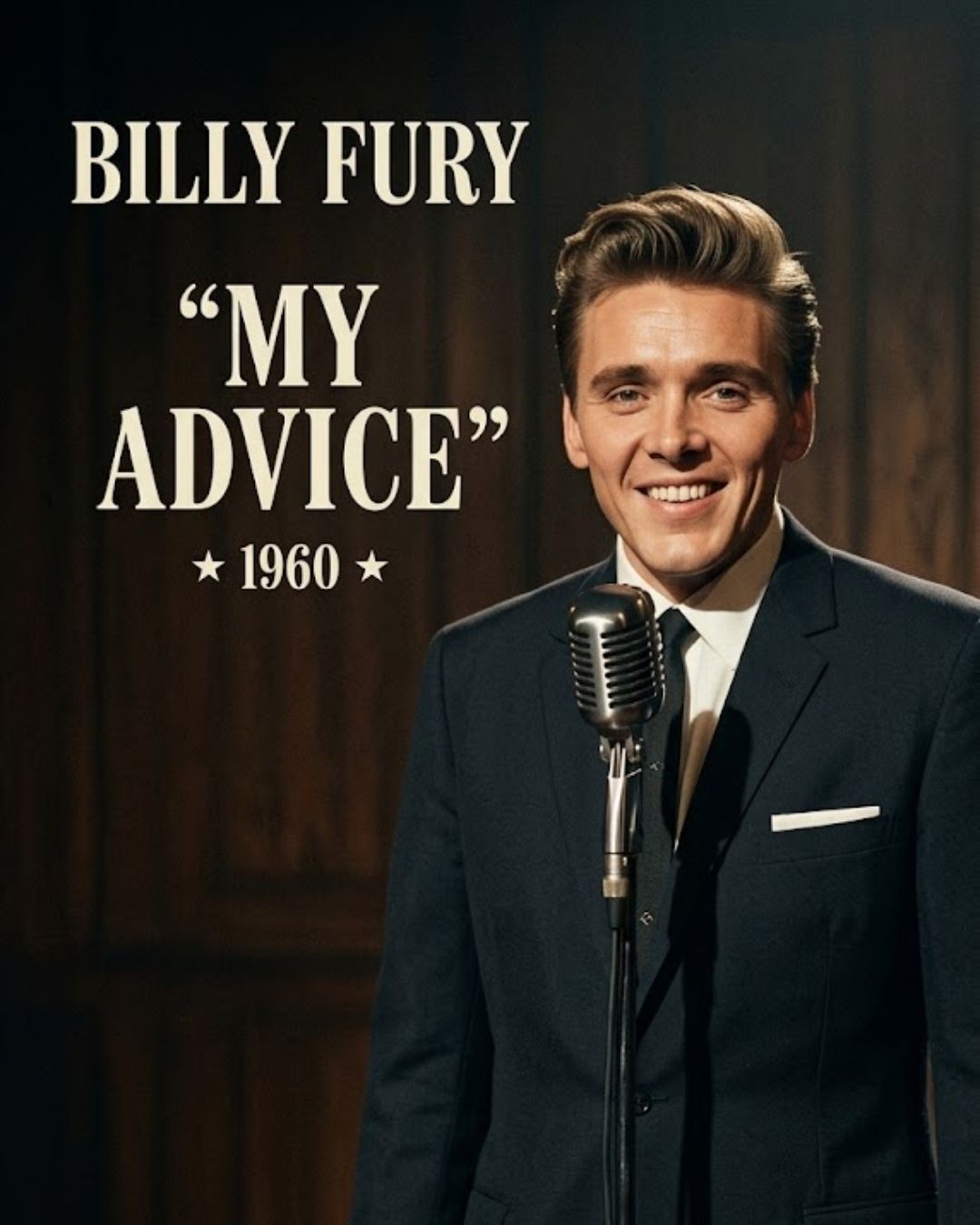
At the dawn of the 1960s, British popular music was largely dominated by polished cover versions of American hits, frequently diluted by conservative arrangements and polite studio musicians. Billy Fury decisively shattered that complacency with “My Advice,” a fiery, rhythmically charged track featured on his groundbreaking ten-inch LP, The Sound of Fury. Recorded during an intense single-day session on April 14, 1960, at Decca Studio 3 in West Hampstead, London, the song represented an unprecedented cultural milestone: a working-class British teenager writing, arranging, and delivering authentic rockabilly entirely on his own terms.
What made “My Advice” so extraordinary was Fury’s daring creative autonomy. In an era when teen idols merely sang what record executives dictated, Fury penned the track himself under the whimsical pseudonym Wilbur Wilberforce. Drawing heavy inspiration from the rhythmic urgency of Buddy Holly and the smoldering attitude of Eddie Cochran, he forged a sound that felt both dangerous and intensely intimate. The lyrics captured a young man standing his ground against romantic disillusionment, warning a careless partner with biting vocal conviction, emotional maturity, and remarkable artistic clarity.
Under the visionary production of television pioneer Jack Good, the recording session deliberately stripped away commercial orchestra gloss in favor of raw acoustic vitality. Virtuoso guitarist Joe Brown delivered stinging, twang-heavy lead licks, while drummer Andy White—who would later play on the Beatles’ debut single “Love Me Do”—locked in with bassist Bill Stark to create a driving slap-back pulse. Over this relentless rhythm section, Fury uncorked a masterclass in rock ‘n’ roll vocal phrasing. His signature hiccups, expressive slurs, and breathless pauses elevated “My Advice” into an undeniable rockabilly tour de force.
Although mainstream UK pop charts initially favored clean-cut ballad crooners, pushing the parent album to number eighteen on the UK Albums Chart, the track’s artistic reverberations ran remarkably deep throughout the British music scene. A young group of Liverpool musicians then known as the Silver Beetles had famously auditioned to back Fury on tour, absorbing his fearless commitment to self-penned material. Today, “My Advice” stands as a vital historical landmark, proving that long before the British Invasion conquered the world, Billy Fury had already pioneered authentic homegrown rockabilly greatness.