Introduction
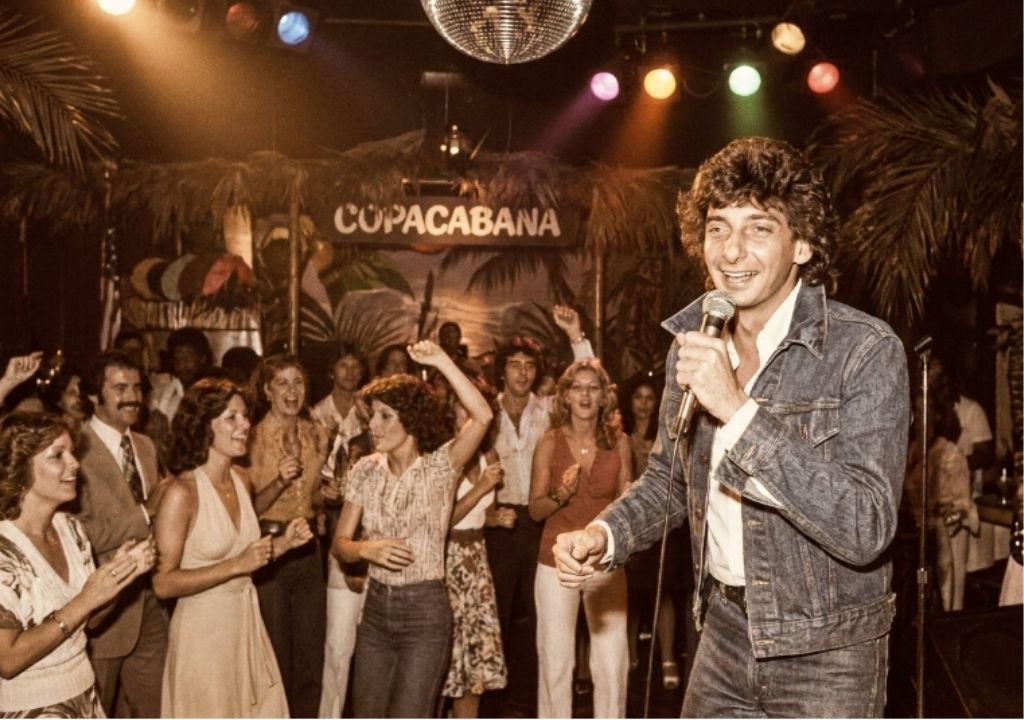
There are few songs in the annals of pop history that manage to construct an entire cinematic universe within the span of four minutes quite like “Copacabana (At the Copa).” Released in 1978, at the absolute height of the disco era, this track is not merely a song you dance to; it is an immersive theatrical experience, a tragic mini-movie set against the backdrop of glittering feathers, rum-soaked punch, and the smoky allure of a bygone nightlife. Barry Manilow, a master craftsman of emotive pop and unmatched vocal arrangements, took a simple phrase inspired by a hotel in Rio and transformed it into one of the most recognizable and enduring storytelling masterpieces of the twentieth century.
Co-written by Manilow, Jack Feldman, and Bruce Sussman, the song opens with a burst of bright, rhythmic instrumentation—driven by a relentless Latin-infused samba beat and sweeping orchestral strings that instantly transport the listener to a crowded, high-end nightclub of yesteryear. The lyrical narrative unfolds in two distinct epochs. The first verse introduces us to Lola, a showgirl with yellow feathers in her hair and a fringe around her hip, who works the room alongside Tony, the barman who loved her. It paints a picture of a vibrant, glamorous world where youth and passion burn brightly under the dim, hypnotic glow of chandeliers. The atmosphere is intoxicating, capturing the carefree romance and glittering escapism that defined late-seventies nightlife culture.
However, what elevates “Copacabana” from a standard dance-floor hit into a timeless piece of musical art is its sudden, dramatic narrative shift. In the second half, the tone darkens as decades pass. The feather is gone, the music is quiet, and the dazzling showgirl of the past is found sitting alone in a corner booth, lost in the ghost of a lost love—referencing a violent altercation where Tony lost his life defending her honor. This juxtaposition of an infectiously upbeat, high-energy disco arrangement with a genuinely heartbreaking story of tragic romance creates a poignant emotional resonance. Manilow’s vocal delivery is theatrical yet deeply human, bridging the gap between show tune grandiosity and accessible pop emotion.
Decades after its debut, “Copacabana (At the Copa)” remains a sparkling monument to a golden era of entertainment. It captures a time when pop music was unafraid to be grand, dramatic, and unapologetically theatrical. Whenever the iconic piano chords strike and the rhythm kicks in, it invites listeners of all generations to step back into that smoky, glamorous club—to remember the resilience of the human heart, the fading beauty of youth, and the eternal magic of a song that tells a great story.