Introduction
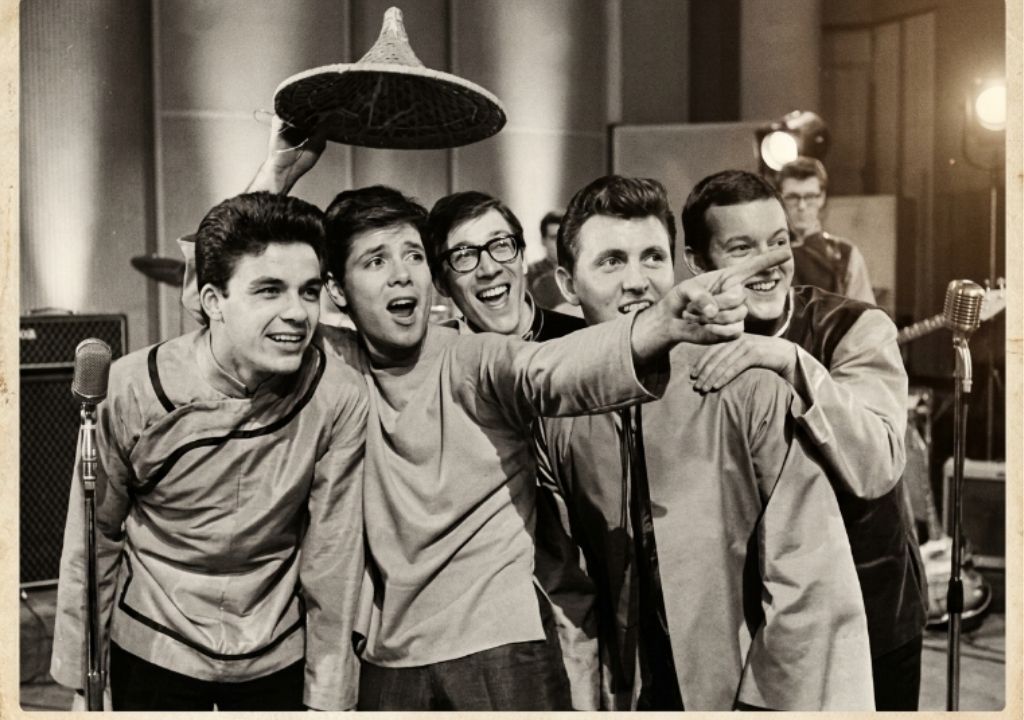
There is a particular kind of magic that belongs entirely to the dawn of the 1960s, a period when the world was shifting from the monochrome aftermath of the post-war era into a kaleidoscope of youthful rebellion and sonic reinvention. If you close your eyes and let your mind drift back to 1962, you can almost feel the crackle of a fresh vinyl record, the smell of pomade, and the palpable excitement buzzing inside local youth clubs. At the absolute center of this cultural explosion in the United Kingdom stood Cliff Richard and his legendary backing band, The Shadows. Together, they didn’t just play music; they crafted the soundtrack for an entire generation’s dreams, heartaches, and Saturday night romances.
When Cliff Richard and The Shadows released their version of “Do You Want to Dance” in 1962, they took a song originally written and performed by Bobby Freeman and infused it with an entirely new, electrifying pulse. While Freeman’s original had a raw, rhythm-and-blues swing, Cliff and the boys transformed it into a quintessential British rock and roll masterpiece. From the very first second, the track grabs you by the collar with its driving, relentless rhythm section. Brian Bennett’s propulsive drumming and Licorice Locking’s steady bassline establish a heartbeat that is utterly impossible to resist, instantly demanding that you move your feet.
But what truly elevates this recording into the stratosphere of nostalgia is the incomparable sonic tapestry woven by The Shadows, spearheaded by the genius of Hank Marvin. Marvin’s clean, echoing Fender Stratocaster tone became the gold standard for guitarists across the globe, and on “Do You Want to Dance,” his playing is nothing short of spectacular. His bright, melodic fills dance effortlessly around Cliff’s vocals, creating a beautiful dialogue between voice and instrument. It is a masterclass in how a backing band can elevate a singer, providing a rich, vibrant canvas without ever overpowering the central melody.
Then, of course, there is Cliff Richard himself. In 1962, Cliff possessed a vocal quality that was simultaneously innocent and fiercely charismatic. He sings the lyrics not as a distant pop star, but as a hopeful romantic standing right across the gymnasium floor, catching your eye under the strobe lights. His delivery of the central question—”Do you want to dance?”—is loaded with an earnest passion that perfectly encapsulates the vulnerability of young love. It is a timeless invitation, stripped of pretense, bursting with the pure joy of being alive and in love.
Decades later, listening to this track feels like stepping into a beautifully preserved time capsule. It reminds us of a time when music was tangible, shared in crowded rooms where the only thing that mattered was the rhythm and the person holding your hand. Cliff Richard and The Shadows captured lightning in a bottle with this recording, leaving behind a glowing legacy that continues to make our hearts skip a beat.