Introduction
There is a distinct, bittersweet magic inherent to the late 1970s pop landscape, a golden era where the glittering energy of disco began to merge with the introspective, sophisticated textures of adult contemporary music. It was a time recorded on magnetic tape, characterized by warm analog synthesizers, crisp basslines, and melodies that lingered long after the vinyl stopped spinning. At the absolute pinnacle of this sonic evolution stands a track that defined the autumn of 1979, a song that managed to transform the profound ache of human estrangement into an irresistible, rhythmic masterpiece. When we look back at the cultural tapestry of that year, few moments resonate as deeply as the rebirth of a legendary artist through a song that captured the zeitgeist of a changing world.
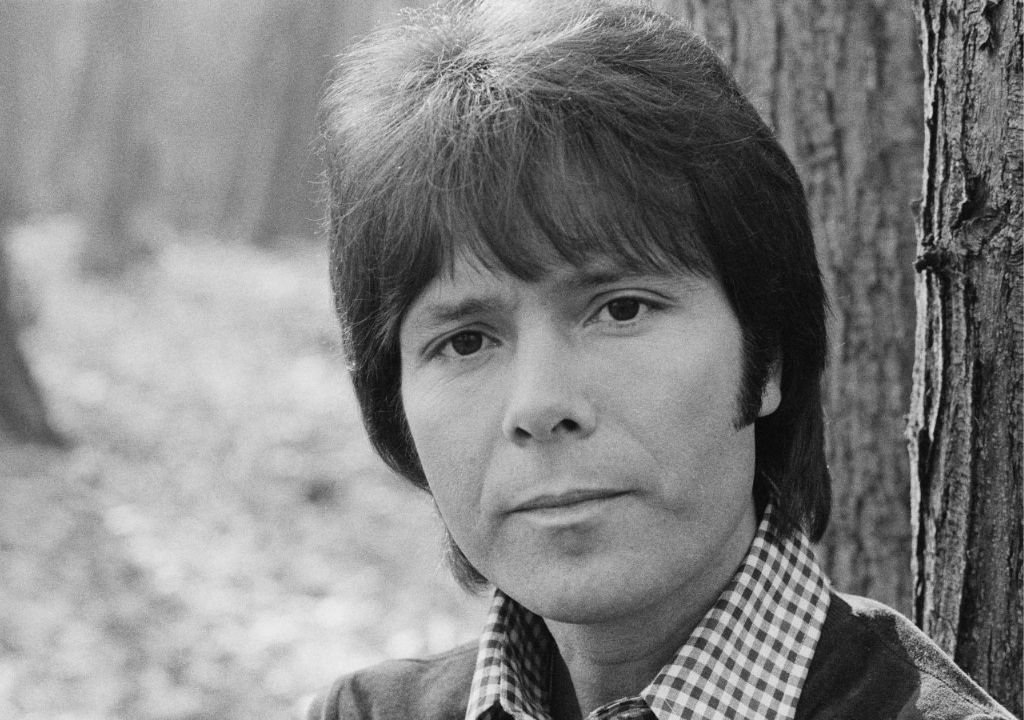
By 1979, Cliff Richard was already a seasoned veteran of the music industry, an artist who had survived the turbulent waves of rock and roll, the British Invasion, and the shifting tides of the counterculture movement. Yet, instead of fading into the background of nostalgia circuits, he delivered a performance and a record that would solidify his status as a permanent fixture in global pop royalty. This reinvention was heavily catalyzed by the brilliant songwriting and production of Alan Tarney. Together, they crafted something entirely fresh. The track possessed a sleek, modern pulse that felt thoroughly contemporary for 1979, yet it was grounded in the timeless vocal delivery that had made Cliff a household name for decades. His voice on this record carries a mature, weathered grace—a gentle, conversational warmth that perfectly conveys the quiet dignity of a man processing a love that has drifted away.
Musically, the song is a masterclass in emotional juxtaposition. It opens with that iconic, pulsing bassline and a crisp drum machine pattern that immediately commands the listener’s attention, inviting them to step onto the dance floor. But as soon as the melody unfolds, a wave of profound melancholy washes over the groove. It is the sound of walking past an old flame in a crowded room, pretending not to notice the history shared between you. The lyrics paint a vivid picture of modern isolation: the silence that stretches between two people who once shared everything, the agonizing awareness that life goes on independently for both parties, and the unspoken grief of unfulfilled promises. The brilliant irony of the song lies in its danceability; it forces the listener to move, to sway, even as the heart breaks under the weight of the narrative.
This specific televised performance on Starparade on October 11, 1979, captures the absolute zenith of this era’s musical television. The German variety show was renowned for its high production values and its ability to showcase international superstars at their absolute best. Stepping onto the stage, Cliff Richard effortlessly commands the room. Dressed in the sharp, elegant style of the late seventies, his performance is devoid of unnecessary theatricality; instead, he relies on pure charisma, subtle choreography, and an impeccable vocal delivery. The soft studio lighting, the analog warmth of the television cameras, and the enthusiastic response from the audience all coalesce into a perfect time capsule. Watching it today feels like opening a window into a world where pop music was crafted with meticulous care, where every note mattered, and where performers possessed an organic, unforced magnetism that bridged the gap between the screen and the living room.
Decades later, the song remains an enduring anthem of nostalgia because it addresses a universal human truth. Relationships end, communication breaks down, and sometimes the most heartbreaking outcome is not a dramatic explosion, but a quiet, mutual fading into silence. For those who lived through the autumn of 1979, hearing this melody immediately conjures up memories of a specific place, a certain car ride, or a bittersweet romance. For younger generations, it stands as a flawless monument to an era when pop music possessed both a massive commercial appeal and a profound emotional depth. It is a reminder that good music never truly ages; it simply matures, becoming richer and more evocative with every passing year.