INTRODUCTION
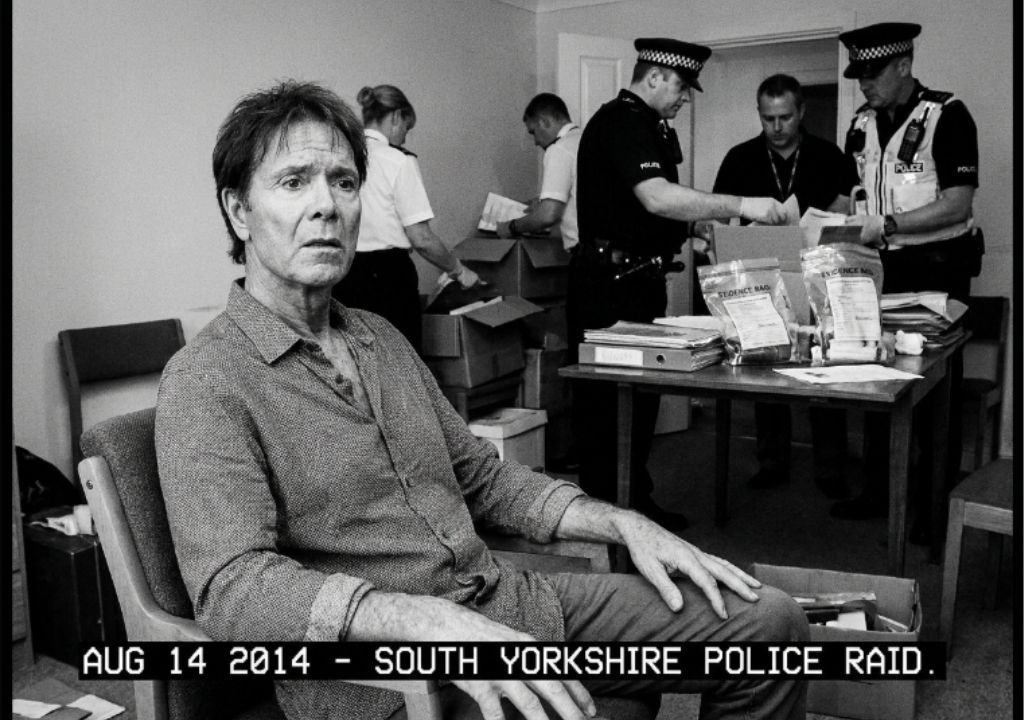
On the quiet afternoon of 08/14/2014, a fleet of police vehicles pulled up to a luxury penthouse apartment in Berkshire. What followed was not a routine investigation, but a highly publicized raid broadcasted live to millions, forever altering the landscape of celebrity privacy. Sir Cliff Richard, one of the most enduring icons in music history with over 250 million records sold worldwide, found himself at the center of a sudden media storm while away in Portugal. The South Yorkshire Police’s unexpected operation, coordinated with live television coverage, instantly became a defining moment in modern journalistic ethics. Rather than allowing the narrative to diminish his storied six-decade career, the legendary artist chose a path of dignified resilience. This singular event initiated a profound legal battle that would ultimately challenge the overreach of public broadcasters and fortify the fundamental rights of individuals under intense media scrutiny.
THE DETAILED STORY
The unprecedented intrusion into Sir Cliff Richard’s home on 08/14/2014 marked the beginning of a rigorous quest for justice and systemic accountability. The raid, initiated by the South Yorkshire Police regarding historical allegations, was executed with a level of publicity rarely seen in standard legal proceedings. A news helicopter hovered overhead, broadcasting live footage of detectives searching the property, an act that threatened to permanently overshadow the legacy of an artist who had shaped British pop music since the late 1950s.
Despite the overwhelming pressure and the immediate global headlines, the narrative quickly shifted from suspicion to a profound examination of institutional overreach. Richard was never arrested or charged; indeed, the case was completely dropped in 2016 due to a total lack of evidence. However, the singer refused to let the matter rest as a mere unfortunate chapter. He initiated a high-profile legal battle against the public broadcaster and law enforcement, transforming his personal tribulation into a crusade for the presumption of innocence.
In 2018, the High Court of Justice ruled decisively in Richard’s favor, awarding him substantial damages and delivering a monumental verdict for privacy legislation. The judge concluded that the broadcast constituted a serious infringement of the artist’s privacy rights. This landmark ruling effectively established that suspects have a reasonable expectation of privacy before being charged with a crime, fundamentally changing how media organizations cover active police investigations.
Today, the event is remembered not as a moment of decline, but as a masterclass in narrative reclamation and legal triumph. Richard’s enduring dignity throughout the multi-year ordeal reinforced his standing as a revered cultural figure. By standing firm against institutional giants, he secured a legacy that extends far beyond chart-topping hits, offering a protective shield for future generations facing unfair public judgment. His victory remains a beacon of integrity within the global entertainment industry.