Introduction
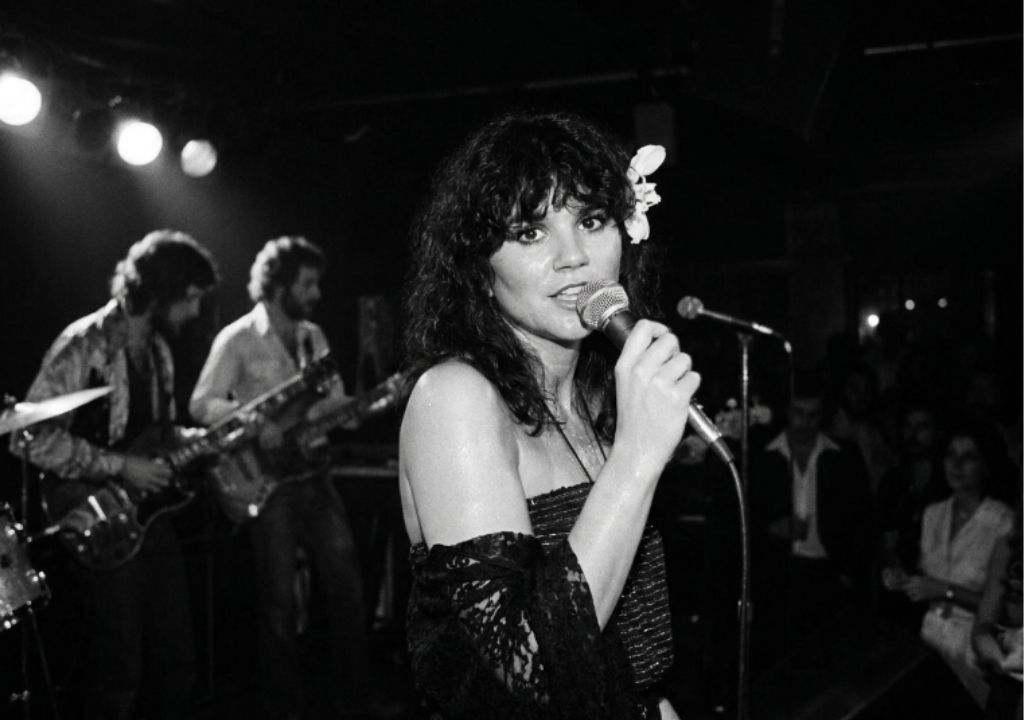
There is a unique kind of magic hidden within the grooves of late-1960s vinyl records, a tangible warmth that modern digital streams can never quite replicate. It was a time of profound musical alchemy, where the boundaries between folk, country, and rock were beginning to blur into something entirely new and deeply evocative. At the very heart of this sonic revolution stood a young woman from Tucson, Arizona, possessed of a voice that could shatter glass or soothe a broken heart with equal ease. When Linda Ronstadt stepped into the studio to record her 1969 debut solo album, Hand Sown… Home Grown, she brought with her a fierce independence and a flawless instinct for storytelling. Among the tracks she chose to reinterpret was Bob Dylan’s “I’ll Be Your Baby Tonight,” a song originally released on his rustic 1967 album John Wesley Harding.
Dylan’s original version was a stripped-back, charmingly loose invitation to domestic bliss, but when Linda Ronstadt laid her hands on it, the song transformed into a cinematic masterpiece of tender intimacy. From the very first notes, you can almost feel the temperature in the room change. The atmosphere becomes thick with nostalgia, smelling of old wooden floorboards, rain hitting a windowpane, and the faint scent of tobacco and worn leather. Ronstadt’s vocal delivery is nothing short of a masterclass in emotional nuance. Where others might have leaned into the country twang with a sense of novelty, she approaches the lyric with an earnest, sultry warmth that feels like a hand slipping into yours on a freezing winter night.
The musical arrangement wraps around her voice like a well-worn patchwork quilt. The gentle strum of the acoustic guitar sets a steady, comforting heartbeat, while the pedal steel guitar weeps softly in the background, drawing lines of melancholy and solace through the air. It is the definitive sound of early country rock—a genre Ronstadt helped pioneer and define long before it became a commercial powerhouse. She doesn’t just sing the words; she inhabits the space between them. When she promises to shut the light and draw the shade, it isn’t merely a lyric; it is a sanctuary she is building for the listener, a temporary escape from a chaotic world.
Listening to this track decades later, one cannot help but be struck by the timeless quality of Ronstadt’s artistry. In an era dominated by loud political statements and psychedelic experimentation, this song was a quiet rebellion of pure emotion. It captures a fleeting moment in musical history when a legendary songbird was just beginning to test her wings, hinting at the monumental superstardom that awaited her in the 1970s. For anyone who has ever sought refuge in the quiet corners of the night, Ronstadt’s “I’ll Be Your Baby Tonight” remains a timeless beacon of comfort, reminding us that no matter how dark the world gets outside, music will always provide a place to call home.