Introduction
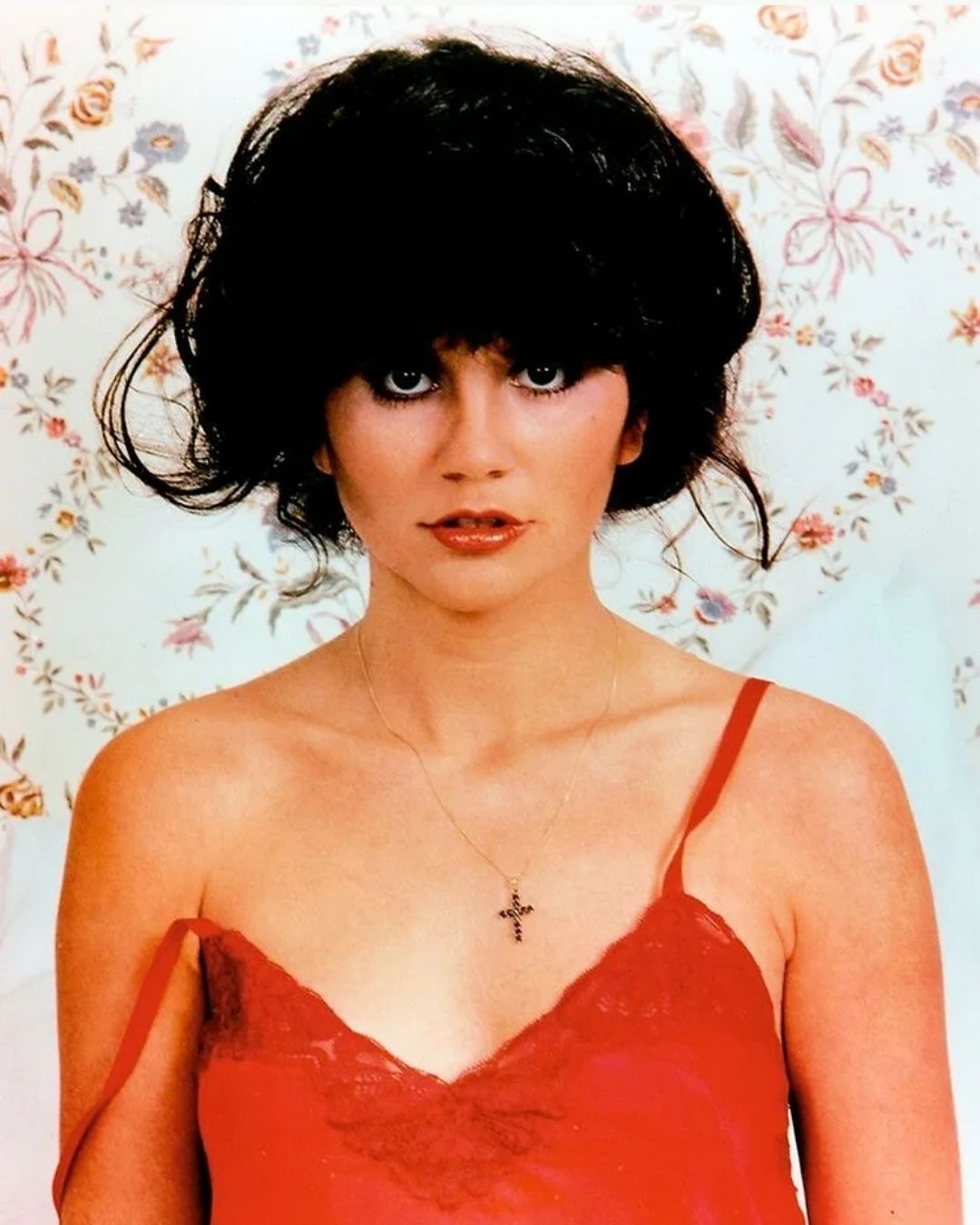
The mid-1970s was a transformative golden era for American radio, a distinct cultural moment where the boundaries between country, rock, and pop began to beautifully dissolve. At the very center of this sonic revolution stood a woman from Tucson, Arizona, whose vocal power could shatter glass and mend broken hearts all at once. When Linda Ronstadt released her version of “When Will I Be Loved” in 1975, featured on her monumental album Heart Like a Wheel, she didn’t just cover an old standard; she completely reinvented it for a new generation. Originally written and recorded by Phil Everly of the Everly Brothers in 1960, the song had a gentle, melancholic rockabilly bounce. But when Ronstadt stepped up to the microphone, she injected the track with a fierce, unapologetic energy that turned a question of vulnerability into an anthem of resilient survival.
The atmosphere of the song is instantly recognizable from its opening bars. There is a driving, rhythmic urgency driven by Andrew Gold’s masterful guitar work and the propulsive drum beat. It feels like driving down a desert highway at dusk, the wind blowing through your hair while you try to outrun the ghost of a past relationship. Ronstadt’s vocal delivery is a masterclass in emotional dynamics. She possesses this unique, raw ability to sound completely heartbroken yet entirely indomitable at the exact same time. When she belt outs the lyrics, she captures the profound, agonizing frustration of someone who has given their all to love, only to be left holding the broken pieces once again. It is a song that addresses the universal human condition of romantic disillusionment, the exhausting cycle of vulnerability and betrayal that almost everyone has experienced at least once in their lives.
What truly sets this recording apart is how it reflects the changing landscape of West Coast rock. Ronstadt and her brilliant producer Peter Asher managed to fuse the twang of traditional country music with the sleek, high-octane polish of 1970s California rock. The harmony vocals on the track provide a rich, cascading texture that cushions her soaring lead vocals, creating a wall of sound that feels both incredibly massive and deeply intimate. It is the kind of music that belongs to an era of organic instrumentation, where you can hear the physical wood of the acoustic guitars and the genuine sweat of the musicians in the studio. Decades later, “When Will I Be Loved” still carries that identical electric charge. It stands as a timeless testament to Linda Ronstadt’s unmatched legacy as the definitive queen of rock and country crossover, reminding us all of a time when popular music possessed a true, unvarnished soul.