INTRODUCTION
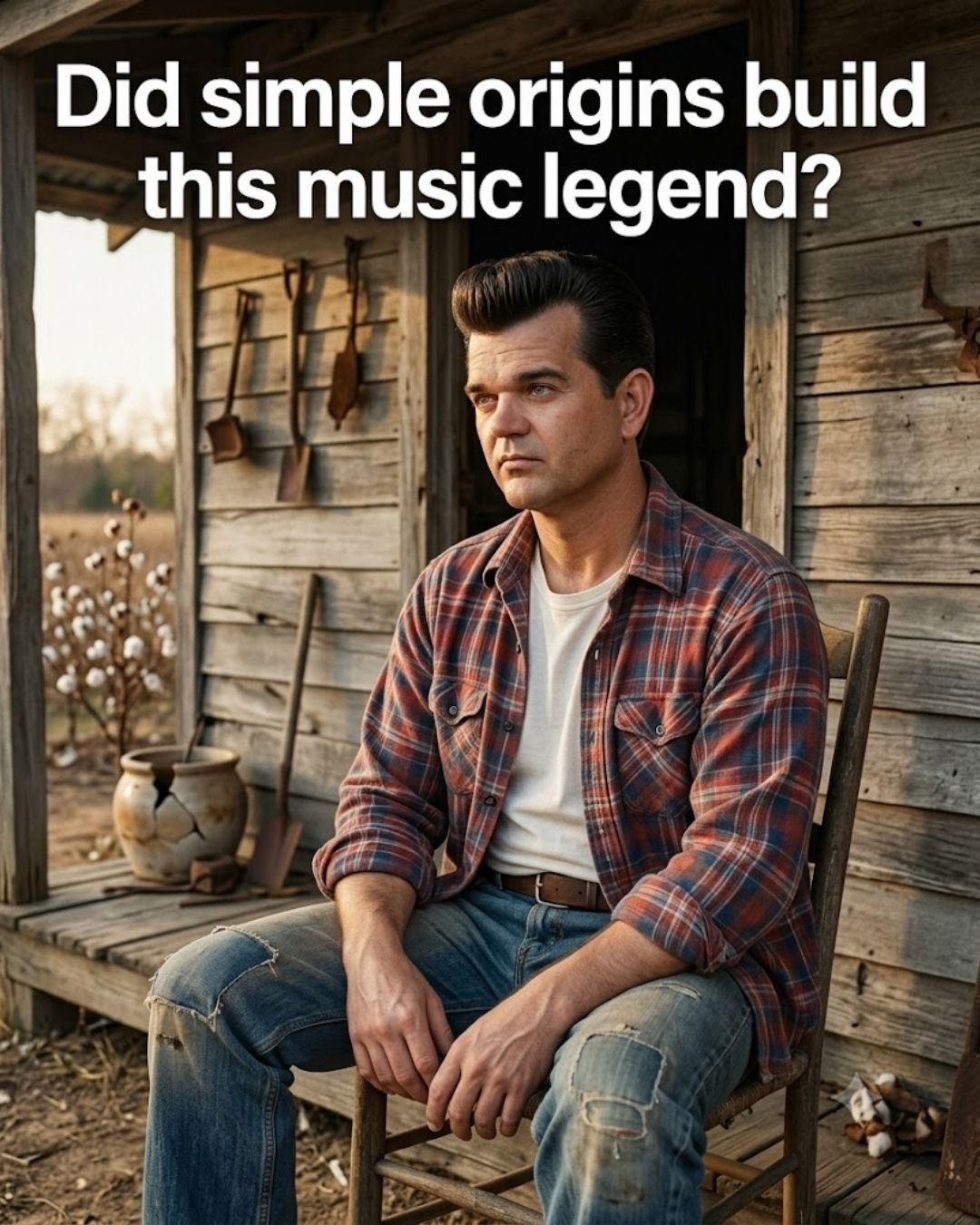
Long before neon marquees across North America blazed with the name Conway Twitty, the young Harold Lloyd Jenkins fell asleep to the churning current of the Mississippi River in Friars Point. His family home was a weathered wooden dwelling perched against the Delta soil, devoid of luxury but steeped in the unfiltered cadence of working-class survival. Here, the boy listened intently to passing riverboats, local Delta bluesmen, and late-night Saturday radio broadcasts drifting through the humid Southern air. It was an environment where every dollar was earned through relentless physical labor, yet it gave him an acute emotional sensitivity that would eventually redefine popular American songwriting. But how did a child raised in such austere, riverbank poverty transform those humble regional memories into an unmatched record-breaking musical dynasty?
THE DETAILED STORY
Born on 09/01/1933, Harold Lloyd Jenkins entered the world inside a modest riverside structure in Friars Point, a tiny Mississippi community shaped by the economic hardships of the Great Depression. His father, Floyd Jenkins, piloted a Mississippi River ferryboat, earning meager wages that required the family to live with Spartan frugality. Despite severe financial constraints, the Jenkins household fostered a rich musical education. Floyd taught his son fundamental guitar chords when the boy was barely ten years old, while the surrounding Coahoma County landscape exposed him directly to authentic Southern gospel and the earthy, unpolished blues sung by local laborers along the levees.
When the family subsequently relocated across the water to Helena, Arkansas, Twitty channeled these early formative lessons into disciplined musicianship. By age twelve, he had organized his first group, the Phillips County Ramblers, performing live on local station KFFA. While his career would later take him through rockabilly triumphs at Sun Records, global pop fame, and a legendary reign over the Billboard country charts, Twitty treated his Mississippi beginnings as his artistic compass. He frequently attributed his instinctive ability to connect with working-class listeners to the unspoken dignity he witnessed among his parents and Delta neighbors.
Throughout a landmark career encompassing fifty-five number-one singles across major industry trade publications, Twitty never manufactured a glamorous persona disconnected from everyday life. Instead, his vocal phrasing retained the patient cadence and emotional sincerity forged along the Mississippi riverbanks. Whether recording tender domestic ballads or spirited honky-tonk anthems, he delivered each lyric with the deference of someone who remembered precisely what it meant to struggle. When he later built his storied Twitty City complex in Hendersonville, Tennessee, he maintained an open-door warmth, welcoming fans personally. By anchoring his monumental legacy in Friars Point, Conway Twitty proved that enduring American artistry thrives not on elite pedigree, but on honoring the soil where one’s voice first took root.