INTRODUCTION
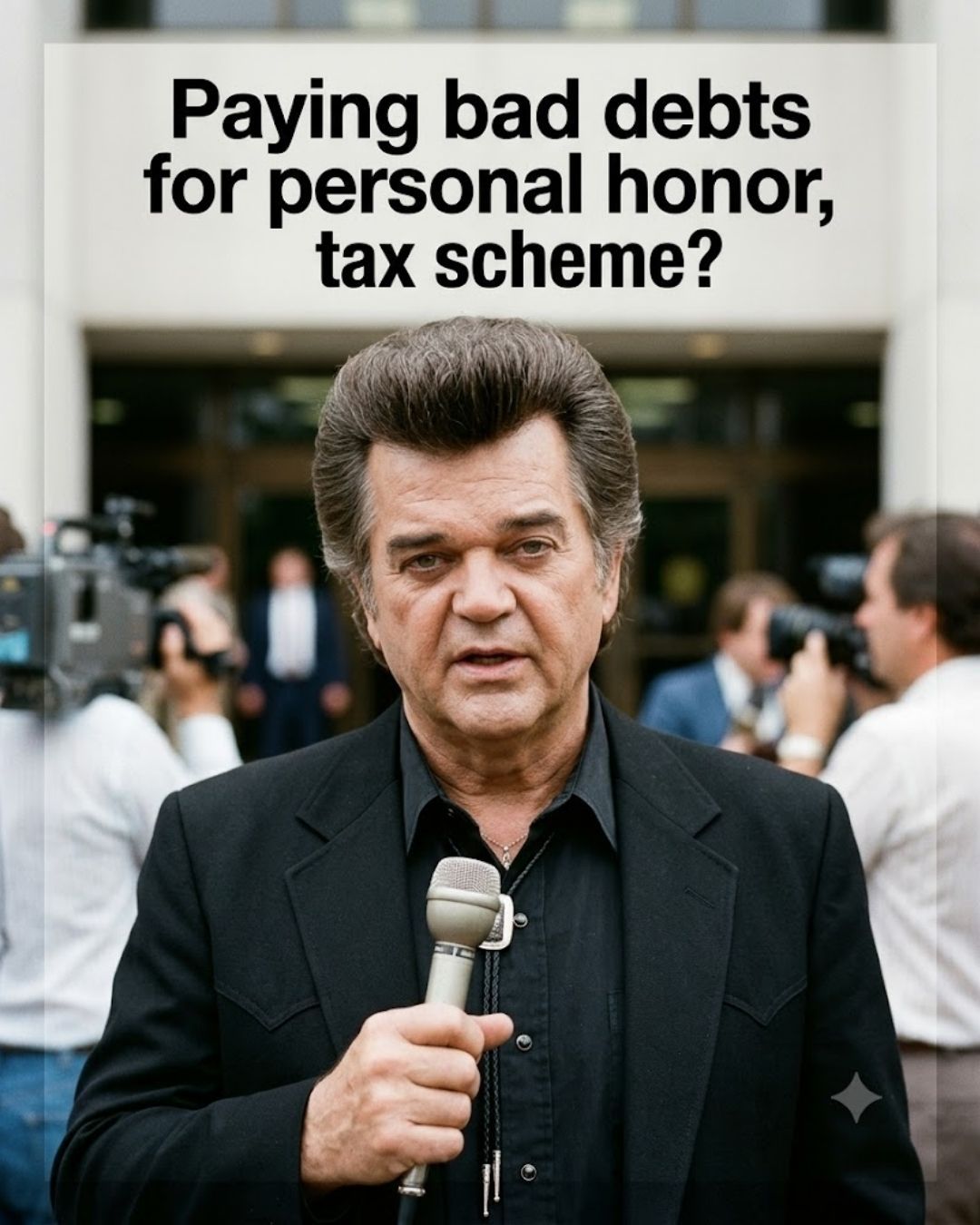
In late 1971, when the neon signs of Twitty Burger flickered out across the American South, country music titan Harold Jenkins—revered globally as Conway Twitty—faced a crisis that standard corporate bankruptcy could not resolve. While corporate law fully insulated him from the chain’s creditors, Twitty knew his seventy-five investors were not anonymous financiers; they were Nashville sidemen, touring companions, and loyal friends who had staked their savings on his good name. Ignoring legal counsel, he resolved to repay every cent out of his future concert earnings, eventually deducting more than $96,000 on his federal returns as an essential cost of protecting his professional livelihood. The Internal Revenue Service immediately pushed back, branding the claim an illegitimate tax dodge. How did an artist’s personal moral crusade convince a federal court to rewrite the boundaries of American tax law?
THE DETAILED STORY
When Conway Twitty launched Twitty Burger in 1968, he envisioned a thriving franchise network across Oklahoma and Arkansas. Instead, soaring operational costs shuttered the business by 1971. Under corporate bankruptcy protections, Twitty held no legal obligation to reimburse the debenture holders. Yet because roughly seventy-five investors were close associates—including Nashville pickers, booking agents, and peers—Twitty recognized that their financial ruin carried fatal consequences for his primary enterprise. In country music, an entertainer’s box-office viability hinges on perceived integrity; a reputation tarnished by unpaid debts among industry peers would suffocate future recording contracts and concert bookings.
Refusing to walk away, Twitty pledged future performance revenue to reimburse every investor in full. On his 1973 and 1974 federal tax filings, he deducted $92,892.46 and $3,600 respectively, classifying the outlays under Section 162 of the Internal Revenue Code as ordinary and necessary expenses incurred to protect his entertainment business. The Internal Revenue Service summarily rejected the write-offs, maintaining the established doctrine that paying another corporate entity’s debts constitutes a nondeductible gift or capital contribution.
Twitty took the dispute directly to the United States Tax Court. During proceedings, music historians and industry insiders testified that a country artist’s career cannot survive the stigma of betrayed personal trust. Evaluating the case under the established Lohrke precedent, Judge Leo H. Irwin weighed Twitty’s subjective motivation alongside the direct economic connection between his payments and his stage career.
On 11/03/1983, the court delivered a historic verdict in Jenkins v. Commissioner, validating Twitty’s entire deduction. Judge Irwin concluded that preserving professional goodwill against devastating commercial fallout was indeed ordinary and necessary, famously closing the opinion with an official judicial poem, “Ode to Conway Twitty”. The IRS formally accepted the ruling without appeal. The decision established an enduring American legal milestone: proving that in the economics of entertainment, personal honor is not mere sentiment, but a tangible, defensible asset vital to professional survival.