INTRODUCTION
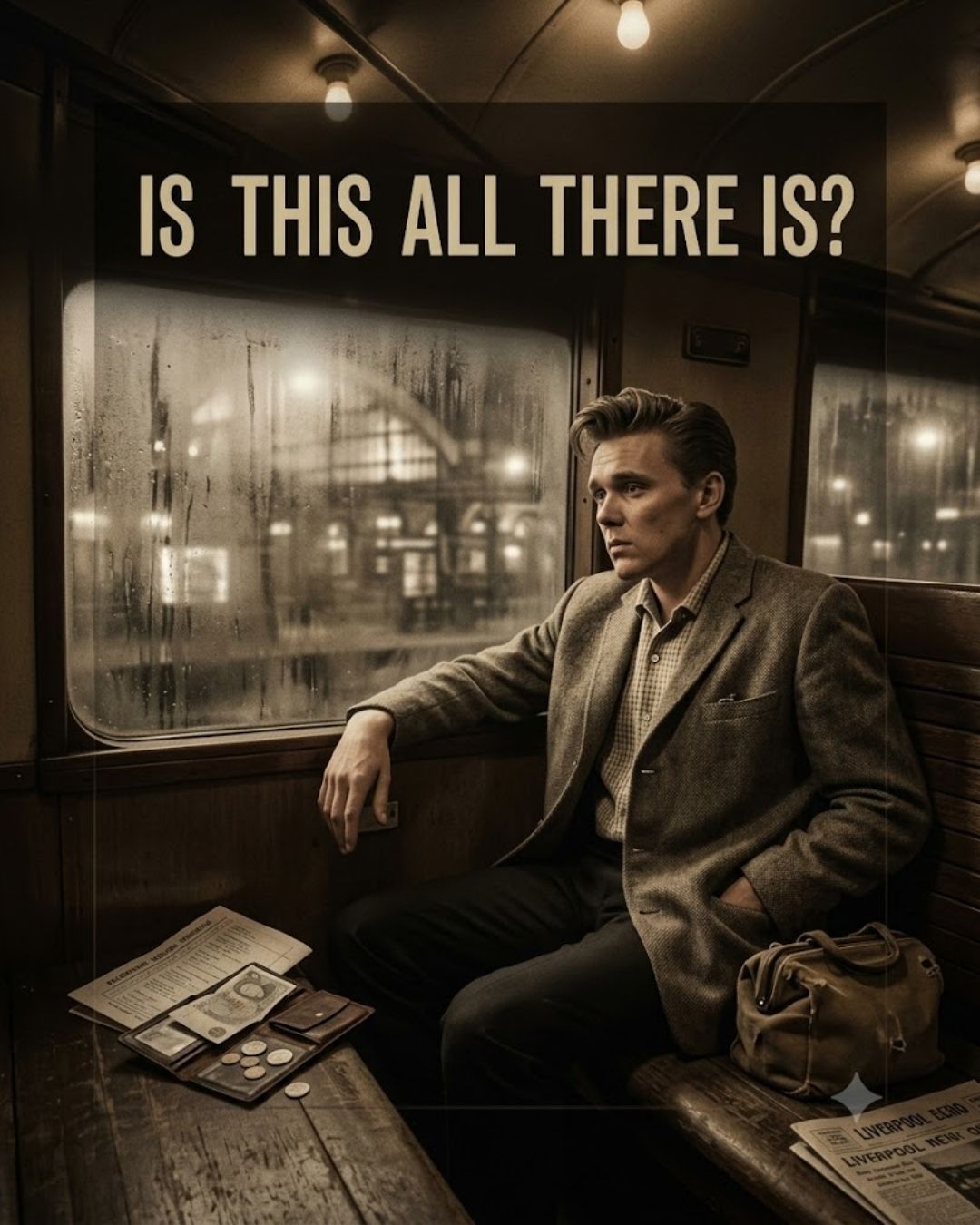
The damp chill of the carriage window pressed against the cheek of a nineteen-year-old deckhand who had just recorded what would soon become a defining sound of British rock and roll. Behind him lay the glare of Decca Studios in West Hampstead and the promises of London management; ahead lay Lime Street Station, veiled in Liverpool’s midnight fog. Sitting on a hard bench in a third-class compartment, Ronald Wycherley—soon to be known to millions as Billy Fury—fingered the meager coins remaining in his pocket. He held less than ten pounds to his name. To the tired passengers traveling north, he seemed ordinary. Yet the master tapes left in London carried an electrifying vulnerability destined to reshape the charts. How did this penniless youth turn that lonely journey into an enduring musical legacy?
THE DETAILED STORY
Born in the working-class Dingle district of Liverpool, Ronald Wycherley lived under the shadow of rheumatic heart disease, an illness contracted at age six that permanently damaged his heart. While working manual shifts on Mersey tugboats, he poured his isolation into songwriting, developing a gentle, introspective cadence starkly different from conventional pop. His sudden entry into professional music arrived when he visited the Essoldo Theatre in Birkenhead to pitch compositions to promoter Larry Parnes. Recognizing a raw magnetism beneath the shy demeanor, Parnes pushed him onto the stage that very evening, christening him Billy Fury.
A recording contract with Decca Records soon followed. Entering the studio in London, Fury laid down his self-composed ballad “Maybe Tomorrow.” In an era dominated by British acts imitating American rockabilly, Fury’s performance stood apart. His delivery carried an authentic ache—a fusion of delicate vulnerability and natural rhythm that signaled a genuine evolution in UK popular culture. Yet, the commercial infrastructure of 1959 offered little immediate security to northern working-class talent. British managers routinely paid basic weekly wages while controlling publishing rights and revenues.
When the session concluded, Fury walked out into the London chill without an entourage, chauffeured car, or substantial funds. Holding barely nine pounds in change, he boarded the slow overnight train to Liverpool Lime Street Station. Leaning his forehead against the damp glass of a third-class coach, he watched the darkened industrial heartland roll past, uncertain whether London would ever call him back.
That quiet journey marked the dawn of an extraordinary trajectory. “Maybe Tomorrow” broke into the national charts, initiating a historic streak that yielded twenty-four Top 40 hits and rivaled the chart dominance of Elvis Presley in the United Kingdom. His landmark 1960 LP, The Sound of Fury, proved that British musicians could write and perform compelling, indigenous rock. The dignified restraint forged on that solitary train ride never left his art, anchoring a timeless catalog rooted in authentic northern resilience.