INTRODUCTION
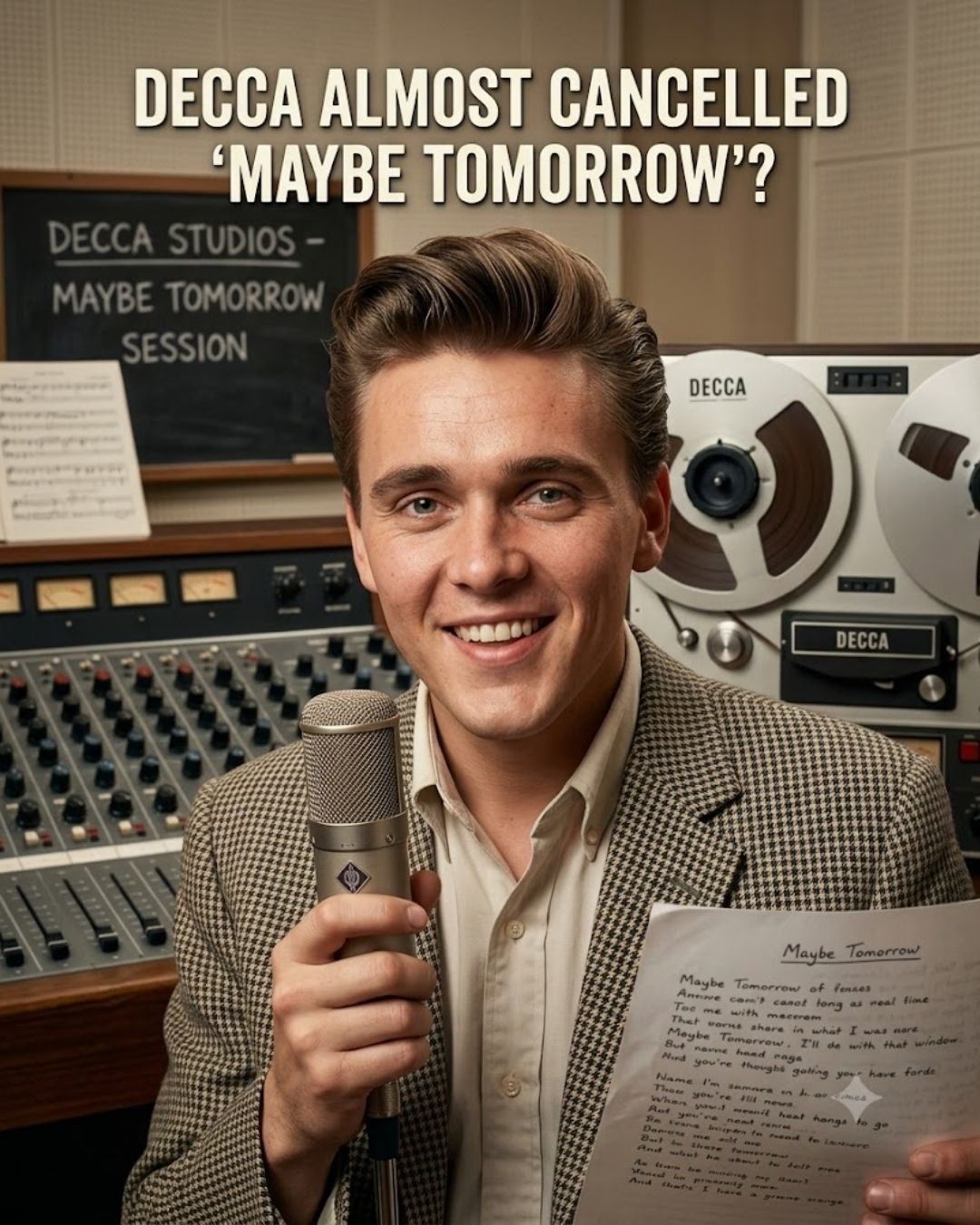
Inside the wood-paneled isolation of Decca Studio 2 in West Hampstead, London, industry veterans expected another eager imitator of American rock and roll. It was January 1959, and eighteen-year-old Liverpool docker Ronald Wycherley—freshly rechristened Billy Fury—stood before the microphone facing a skeptical boardroom of record executives. Decca had built its empire on disciplined orchestral arrangements and safe commercial formulas, yet the shy young songwriter brought no upbeat dance tracks or proven imported standards. Instead, he presented a sparse, mournful original ballad that corporate ears deemed far too melancholic for teenage consumption, sparking an immediate internal debate over whether the session should be canceled entirely. Why did top brass risk their capital on an untested youth who openly defied the era’s winning formula?
THE DETAILED STORY
In the late 1950s, British commercial music operated under rigid corporate control. Major record labels routinely filtered American hits through seasoned domestic session players, demanding polished vocalists who could project boisterous optimism. When impresario Larry Parnes brought Ronald Wycherley to Decca following an impromptu backstage audition in Birkenhead, label executives envisioned moulding him into another compliant rock-and-roll clone. They assigned producer Dick Rowe to supervise the debut, expecting a brisk, danceable cover that adhered strictly to safe commercial formulas.
Instead, Fury arrived at West Hampstead armed with his own self-penned material. At the center was “Maybe Tomorrow,” a haunting, slow-tempo lament steeped in quiet anguish and Northern isolation. To Decca’s traditionalist directors, the track seemed commercial suicide. Executives argued that youth culture demanded kinetic escapism, not intimate grief. Several key figures pushed to abandon the recording entirely or shelve the master, unwilling to gamble marketing budgets on a somber original written by an untrained provincial teenager.
Yet Fury possessed an instinctive artistic conviction rare for his age. Supported by Parnes and accompanied by session musicians who recognized the song’s unusual emotional gravity, the young singer refused to dilute his artistic vision. During the takes, Fury bypassed conventional theatrical bravado, delivering his lyrics with a delicate, trembling restraint that turned vocal vulnerability into magnetic drama. The final cut preserved that stark, atmospheric intimacy, framed by subtle guitar work and solemn harmony.
Reluctantly issued in January 1959, the single shattered corporate skepticism. “Maybe Tomorrow” climbed steadily into the UK Top Twenty, peaking at number eighteen. The commercial triumph did far more than merely inaugurate Billy Fury’s recording career; it decisively challenged the British record industry’s paternalistic playbook. By proving that postwar teenagers would embrace original, emotionally authentic songwriting over synthetic transatlantic imitation, Fury permanently broke the industry mold. His quiet standoff at Decca proved that lasting artistic resonance often begins where corporate consensus ends.