INTRODUCTION
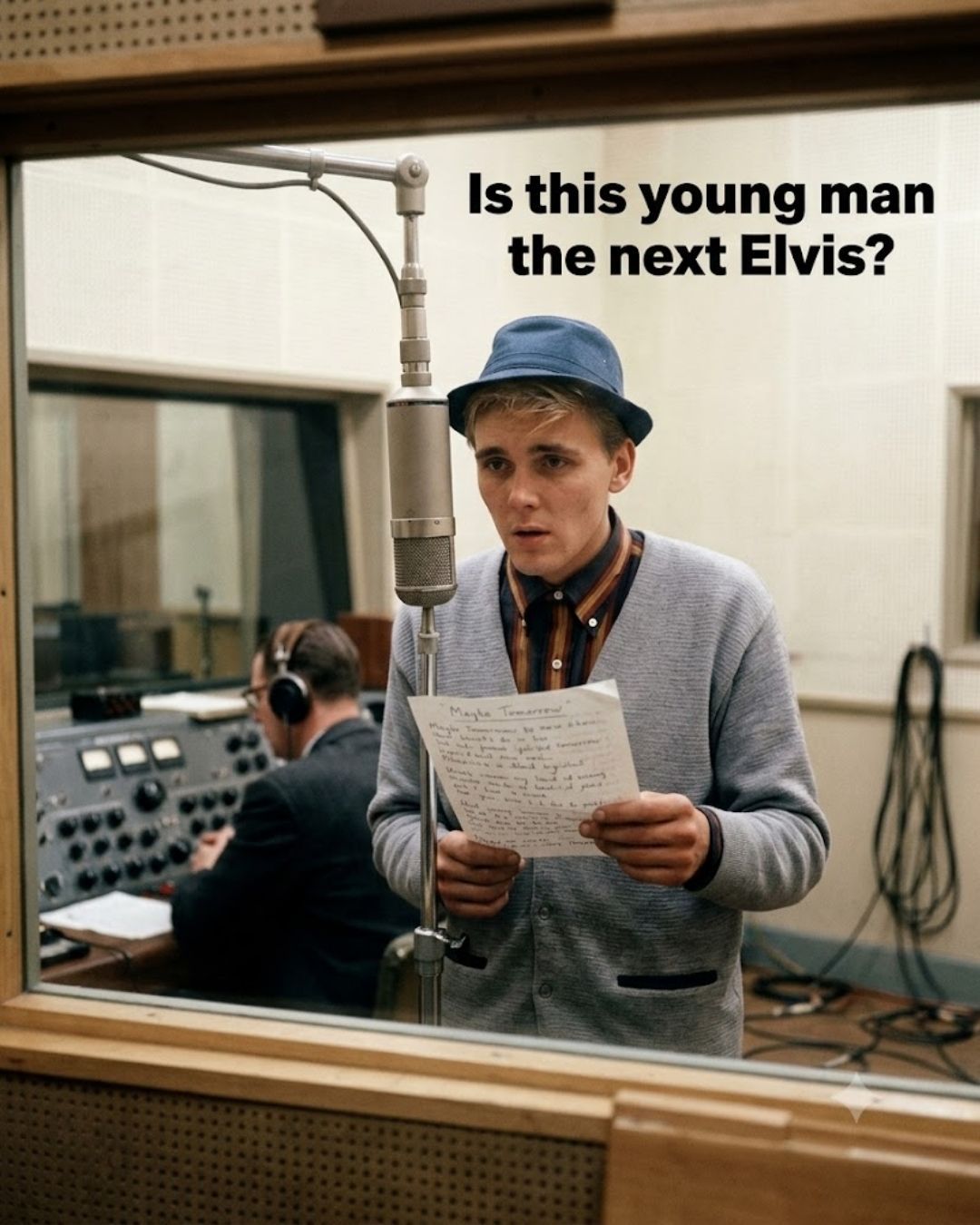
On a cold London afternoon in January 1959, an eighteen-year-old former docker named Ronald Wycherley stood frozen before the ribbon microphone inside Decca Studio 2. Just weeks earlier, he was hauling heavy cargo along the damp River Mersey, nursing a rheumatic heart and scribbling nocturnal verses into battered notepads. Rebranded as Billy Fury by impresario Larry Parnes, the terrified Northern newcomer looked entirely ill-suited for the aggressive, hip-shaking bravado that defined the transatlantic rock and roll explosion. Yet, as the studio red light glowed, he refused to deliver the expected American-style imitation. Instead, he channeled an aching, unvarnished isolation that caught seasoned engineers completely off guard. How did this trembling outsider turn private heartbreak into a record that would reshape British pop music forever?
THE DETAILED STORY
In late 1958, British rock was dominated by synthetic showmanship and second-hand imports. Most domestic managers sought carbon copies of Elvis Presley, pushing performers into theatrical swagger and safe commercial formulas. Ronald Wycherley’s arrival shattered that paradigm. Discovered backstage at the Birkenhead Essoldo after auditioning his self-penned songs for Marty Wilde, Wycherley possessed neither theatrical training nor cosmopolitan polish. Impresario Larry Parnes christened him Billy Fury, imagining another fierce rocker, yet Fury’s artistic sensibilities leaned toward vulnerability and restraint.
When Decca scheduled his maiden session at West Hampstead in January 1959, conventional wisdom dictated that an untested provincial singer should record an established American hit. Record executives anticipated a loud, dancehall-ready anthem fit for fast consumption. Fury firmly resisted, insisting on cutting his own composition, “Maybe Tomorrow.” In an era when British teen idols functioned as mere mouthpieces for external songwriters, Fury’s creative autonomy was revolutionary.
Inside Decca Studio 2, surrounded by seasoned session players, Fury let his natural anxieties guide the performance. Rather than masking his insecurity with aggressive vocal force, he leaned into a delicate, quavering delivery that captured his disorientation as a lonely youth adrift in London. The sparse arrangement framed his voice with gentle guitar strokes and a somber vocal backing that heightened the song’s emotional weight. His performance conveyed the deep ache of someone who intimately understood fragility, turning private longing into magnetic art.
Released later that month, “Maybe Tomorrow” surged into the UK Top Twenty, peaking at number eighteen. Beyond chart numbers, the single permanently altered the trajectory of British rock. Fury proved that authentic vulnerability and self-authored songwriting could rival imported swagger. In an industry built on bluster, he demonstrated that melancholy possessed immense power. Years before the British Invasion swept global music, Billy Fury’s inaugural recording established a lasting truth: raw emotional honesty was the ultimate form of rebellion.