INTRODUCTION
On the evening of 10/01/1958 at the Essoldo Theatre in Birkenhead, a quiet nineteen-year-old named Ronald Wycherley stood clutching an acoustic guitar in the backstage corridor. Fragile from childhood rheumatic fever, the young Liverpool dock worker had not traveled across the Mersey to seek fame; he merely hoped to sell his compositions to the touring teen idol Marty Wilde. Within sixty minutes, impresario Larry Parnes pushed the trembling songwriter straight onto the live stage. The audience erupted, swept away by his raw vulnerability and instinctive rhythm. Before the boy could even process the applause, Parnes stripped away his family name and declared him a brand-new phenomenon. But what did trading his authentic self for an engineered persona truly cost the young artist?
THE DETAILED STORY
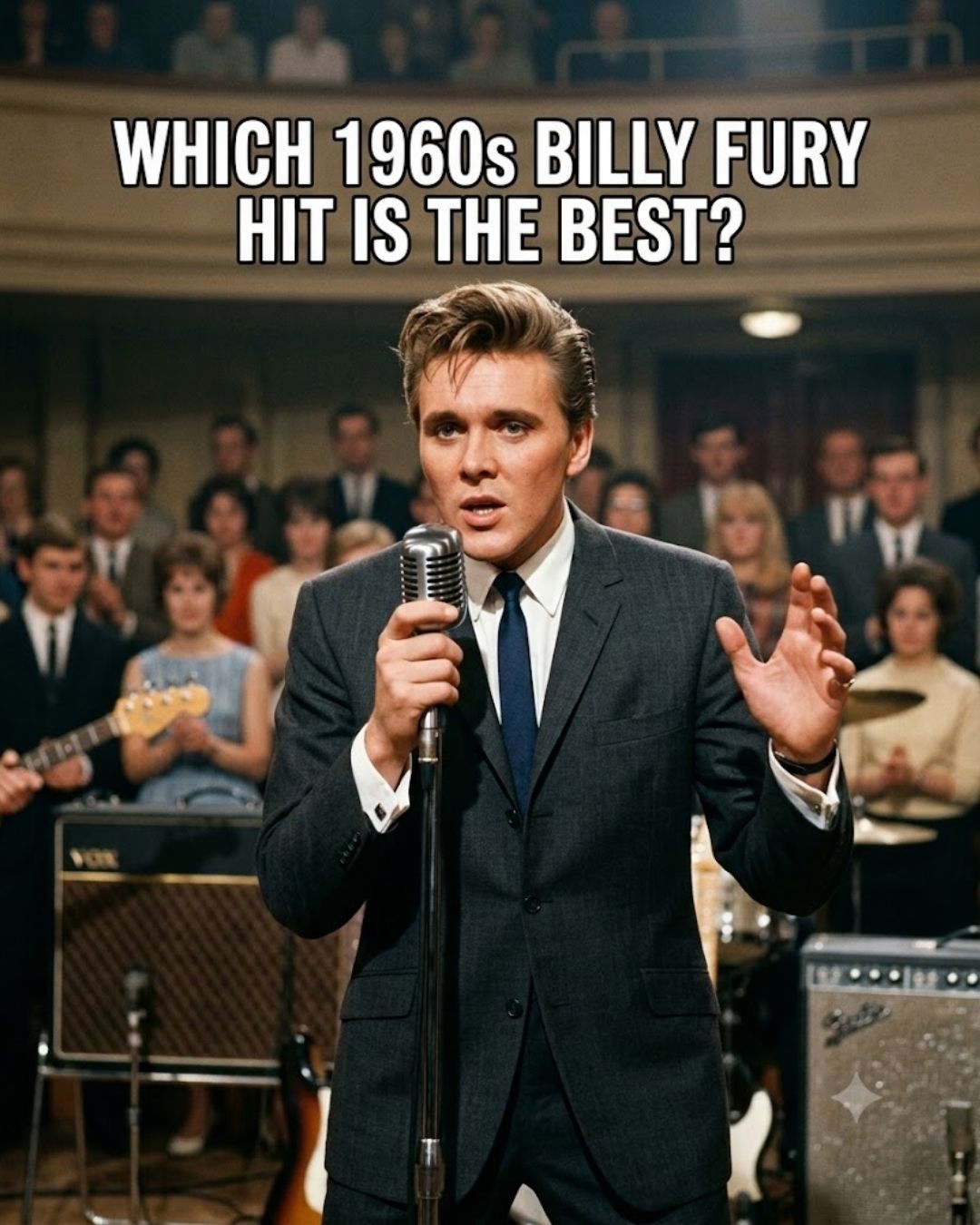
The post-war British music industry was ruthless in manufacturing youth culture, and impresario Larry Parnes operated like an industrial architect. Parnes famously branded his roster of working-class performers with hyper-masculine, explosive surnames such as Pride, Wilde, and Power. When Ronald Wycherley delivered his haunting original composition “Maybe Tomorrow” backstage, Parnes recognized not just talent, but market potential. Ronald lacked the aggressive confidence typical of rockabilly acts, possessing instead a brooding sensuality and visible fragility. To mask that natural shyness and exploit commercial demand, Parnes immediately christened him Billy Fury, launching a powerhouse persona that would rival the domestic impact of imported American stars.
The transformation was absolute. By 1959, his debut single charted on the UK Singles Chart, followed by a historic run that matched The Beatles for the most consecutive weeks on the British charts during the 1960s. Yet the kinetic stage persona stood in stark opposition to the man beneath it. While audiences screamed at the dynamic swagger of Billy Fury, Wycherley wrestled with severe cardiac damage inflicted by his early illness, a condition he kept hidden from the public eye to preserve the illusion of invulnerability. The stage demanded relentless physical expenditure, while his body required quiet preservation.
Between recording sessions and high-profile television appearances, he frequently escaped the London spotlight, retreating to birdwatching and remote farming. He spent two decades living between the demanding requirements of a manufactured rock symbol and the fragile reality of his physical health. The moniker granted him twenty-four chart hits and lasting critical acclaim, but it also trapped him within an exhausting identity he could never truly shed. His career proved that the very alchemy that created Britain’s first authentic rock idol was also the contract that separated the man from his own name until his premature death in 1983.