INTRODUCTION
In the autumn of 1987, an established country icon took a startling detour from conventional romantic tropes. When songwriter Gary Burr penned the narrative, it carried a raw, unvarnished depiction of childhood vulnerability and the terrifying reality of mortality. Conway Twitty, then riding an unprecedented streak of chart-topping hits, recognized an unspoken emotional truth buried inside the verses. The premise was deceptively simple: a frightened young boy comforted by his father’s unwavering reassurance. Yet behind that intimate domestic exchange lay a devastating thematic arc that few commercial radio programmers were eager to embrace. Why did a veteran artist risk his formidable radio momentum on a composition that dared to confront life’s most inevitable grief?
THE DETAILED STORY
On 11/14/1987, MCA Records issued the single from Conway Twitty’s album Borderline, testing Nashville’s commercial instincts. Throughout his storied career, Twitty had established a legendary reputation through passionate ballads of adult romance. Selecting Gary Burr’s emotionally unguarded composition marked a profound artistic pivot toward generational reflection.
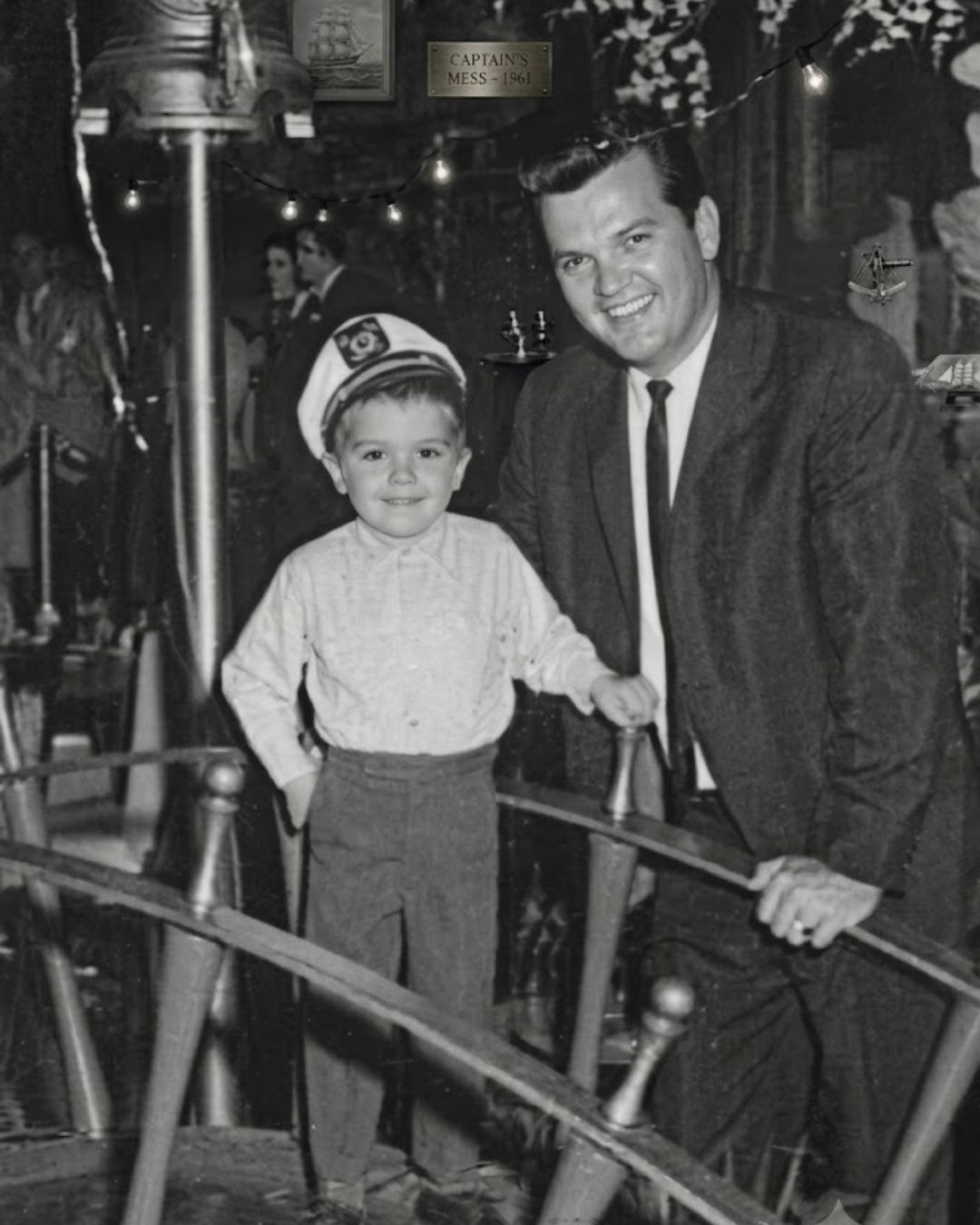
The narrative unfolds through three pivotal life stages: an early childhood nightmare of abandonment, a rebellious young adulthood seeking independence, and the final, crushing moment of adulthood when the protagonist stands at his father’s deathbed. At each milestone, the father delivers the same understated mantra—explaining that keeping his child safe and clearing their path forward was simply his duty. When Twitty first shared the demo with his own son, Michael, the reaction was instinctively uneasy, precisely because the lyrics hit uncomfortably close to home.
Despite concerns that the subject matter would prove too somber for daytime broadcasting, the public response was immediate and overwhelming. Listeners across the United States flooded radio stations with requests, turning the track into an unexpected sanctuary for working-class families grappling with unspoken gratitude. The single steadily climbed the charts, reaching No. 6 on the Billboard Hot Country Singles chart in early 1988.
Produced alongside Jimmy Bowen and Dee Henry, the recording stripped away excessive studio polish, allowing Twitty’s weathered, resonant vocal delivery to carry the emotional weight. Rather than delivering a sentimental novelty, Twitty captured the dignified stoicism of a generation of fathers who expressed love through labor, quiet sacrifice, and steadfast presence. Decades after its initial chart run, the work stands as an irreplaceable pillar of American country music, affirming that an artist’s most enduring triumph often lies in honoring the quiet architects of our lives.