INTRODUCTION
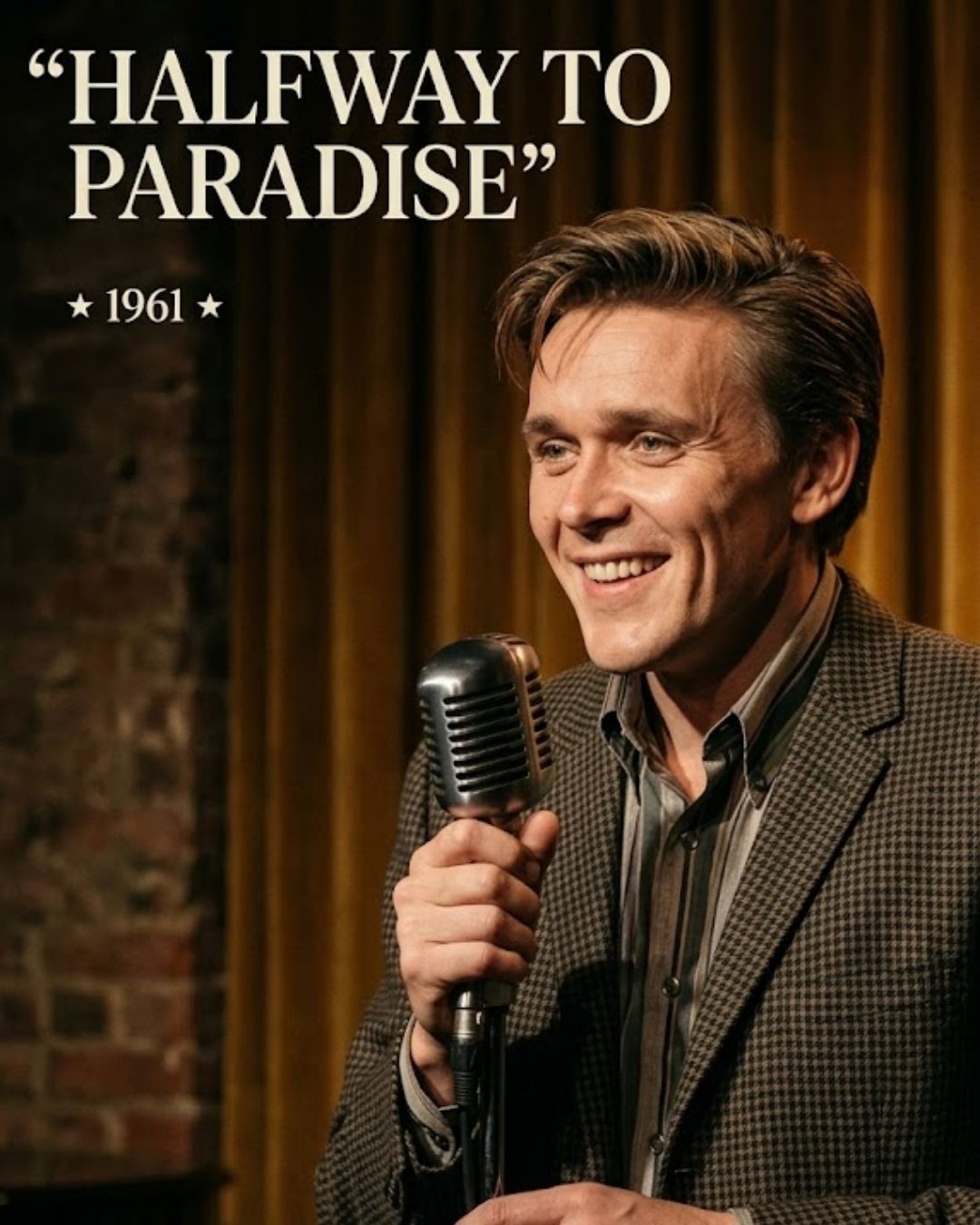
In early 1961, Decca producer Jack Good sought an orchestral sound capable of matching Ronald Wycherley’s delicate persona. Standing before the studio microphone in London, the Liverpool singer known as Billy Fury looked impossibly fragile, nursing the damaged heart that shadowed his youth. How did this frail Mersey youth turn a polished American pop number into Britain’s definitive teenage heartbreak anthem?
THE DETAILED STORY
Before reaching British shores, the composition was born inside Manhattan’s famed Brill Building, penned by the celebrated songwriting partnership of Gerry Goffin and Carole King. In early 1961, young American vocalist Tony Orlando recorded the original version, delivering a pleasant, lightweight pop arrangement that achieved modest chart traction across the Atlantic. However, visionary manager Larry Parnes and Decca Records quickly recognized that Liverpool-born Billy Fury possessed an emotional gravity that demanded a far grander sonic landscape. While Fury had earned his early fame through brooding rockabilly posturing and visceral stage energy, his artistic temperament yearned for sweeping, cinematic melodrama. He did not want to merely sing teenage pop; he wanted to channel the profound ache of unrequited love.
Stepping into London’s Decca Studios, arranger and conductor Ivor Raymonde completely reconstructed the piece into a dramatic tour de force. Raymonde anchored the track with heavy, syncopated piano chords, ominous timpani rolls, and ascending orchestral strings that swelled beneath the rich counterpoint of female backing vocalists. Yet the real triumph of the session lay in Fury’s astonishingly vulnerable delivery. Having suffered from severe rheumatic fever as a child, Fury lived under the shadow of damaged heart valves and an intimate awareness of human fragility. That authentic mortality infused every note he sang. Where American teen idols approached romantic despair with polished theatricality, Fury sounded palpably wounded. His voice broke into gentle tremolos, gliding from breathy whispers to anguished crescendos that gave the lyrics terrifying emotional urgency.
Issued in May 1961, the recording ignited the British record-buying public, climbing steadily to number three on the UK Singles Chart and remaining on the national hit parade for an impressive nineteen weeks. It proved to be a decisive watershed moment for early British pop music. Fury demonstrated that English rock pioneers were not simply mimicking American trends; they were entirely capable of elevating imported songcraft into dark, majestic works of enduring art. Decades later, the masterwork remains an indispensable cornerstone of pre-Beatles music culture. It stands as a haunting, beautifully sculpted monument to romantic longing that permanently defined Billy Fury’s artistic legacy as one of the most authentic, bittersweet voices of his golden generation.