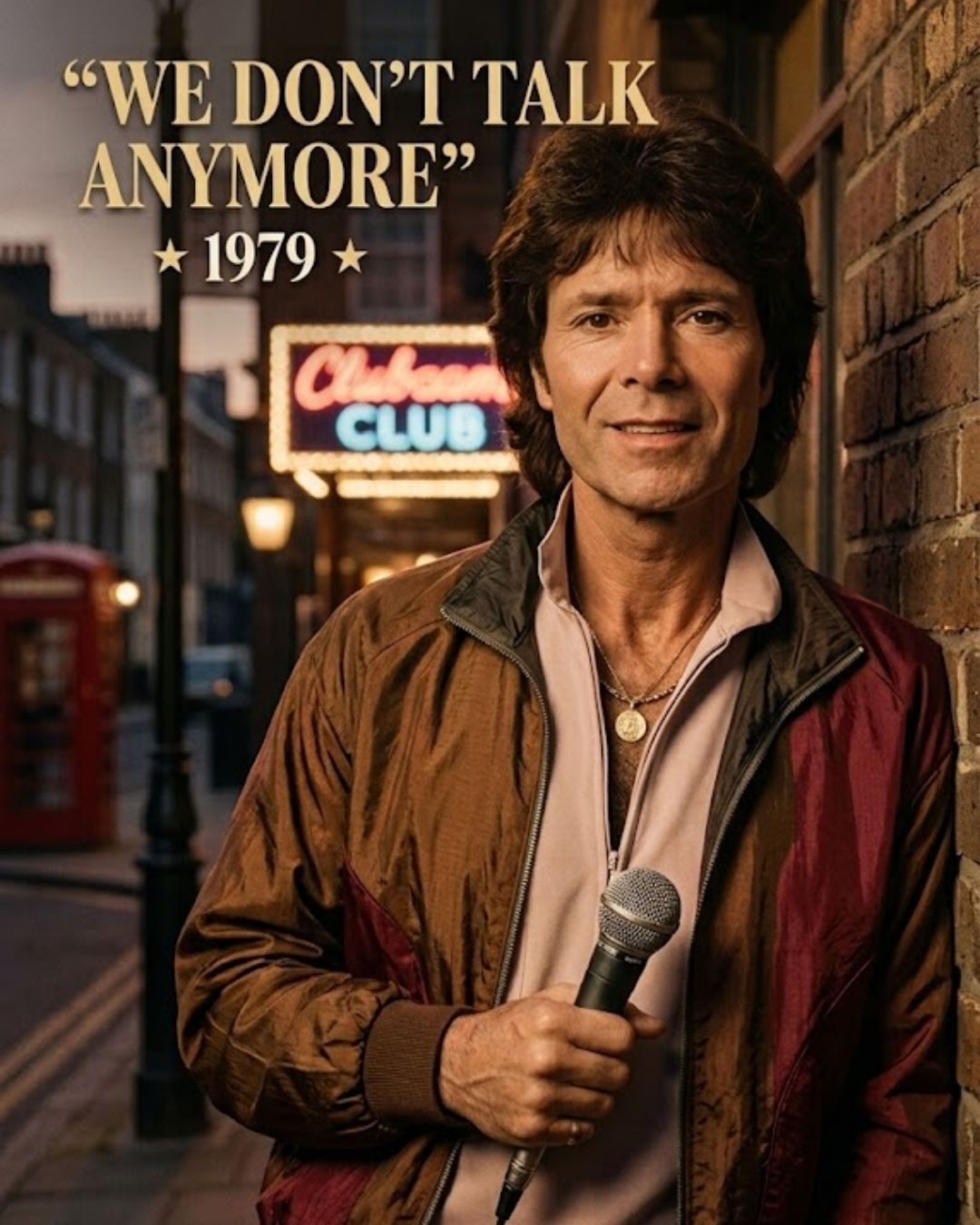
INTRODUCTION
In early 1979, songwriter Alan Tarney presented a polished demo featuring a hypnotic rhythm box and layered synthesizers to a veteran pop star seeking creative reinvention. The resulting recording stripped away theatrical orchestration in favor of minimalist electro-pop tension. How did this unassuming breakup track become a multi-million-selling juggernaut that redefined British pop on the brink of a new decade?
THE DETAILED STORY
By the late 1970s, Cliff Richard was widely regarded as a revered elder statesman of British rock and roll, having dominated the charts since his explosive 1958 debut with “Move It.” Yet, as post-punk and disco reshaped global airwaves, maintaining modern commercial relevance seemed an insurmountable hurdle. That artistic trajectory shifted completely when former Shadows rhythm guitarist and longtime producer Bruce Welch brought in gifted songwriter Alan Tarney. Tarney had constructed a sleek, rhythmically driven composition that diverged sharply from traditional acoustic pop ballads of that era.
Recorded at London’s RG Jones Studios, the production of “We Don’t Talk Anymore” was remarkably ahead of its time. Tarney played nearly every instrument on the backing track, meticulously layering clean rhythm guitars, subtle synthesizer pads, and an insistent electronic percussion groove over crisp live drumming. This sparse, sophisticated arrangement provided the ideal sonic landscape for Richard’s vocal delivery. Instead of relying on dramatic vocal belting, Richard delivered the lyrics with a cool, understated restraint. The striking contrast between the breezy, danceable tempo and the quiet tragedy of two estranged lovers unable to communicate created an irresistible emotional tension that resonated across radio formats worldwide.
Released in August 1979, the single became an immediate global sensation. It swiftly climbed to the summit of the UK Singles Chart, holding the number one position for four consecutive weeks. The achievement marked Richard’s tenth UK chart-topper and his first since 1968, making him one of the rare artists to secure number one hits across three consecutive decades. Across the Atlantic, the song breached the US Billboard Hot 100, peaking at number seven in early 1980 and earning gold certification with over four million copies sold worldwide.
The track also secured an unexpected place in broadcasting history when its sleek promotional clip was broadcast as the fortieth video on MTV’s inaugural launch day in August 1981. More than just a massive commercial triumph, “We Don’t Talk Anymore” proved that artistic longevity required genuine adaptability rather than nostalgic repetition. It revitalized Richard’s career and established a contemporary sound that paved the way for subsequent hits like “Carrie” and “Dreamin’.” Decades later, the song stands as a benchmark of late-seventies pop craftsmanship, forever immortalizing the poignant ache of silent heartbreak wrapped inside timeless, pristine groove.