INTRODUCTION
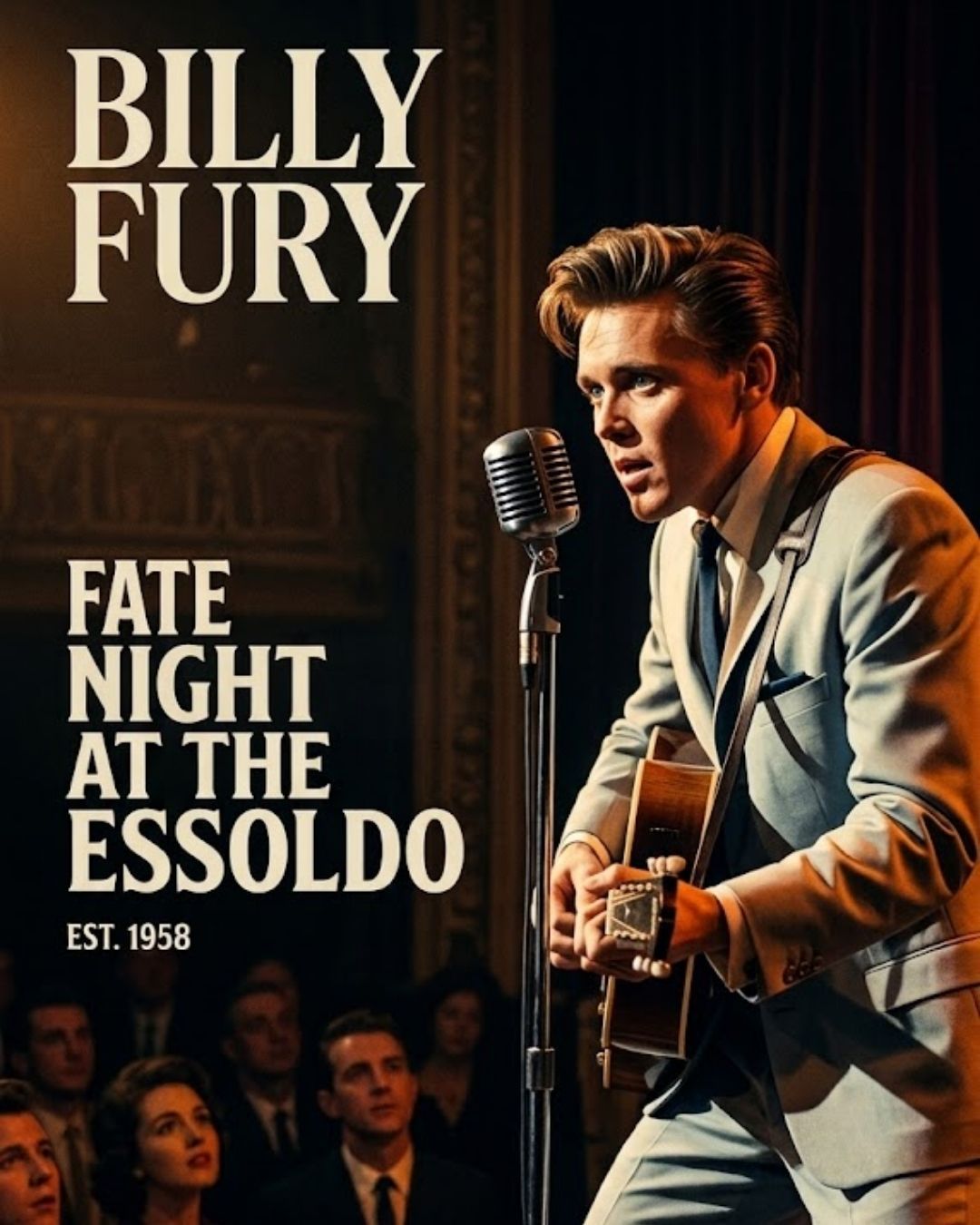
On the damp evening of October 1, 1958, behind the velvet curtains of the Essoldo Theatre in Birkenhead, an unassuming eighteen-year-old deck hand stood clutching an acoustic guitar. Ronald Wycherley had not arrived seeking fame or applause; his sole ambition was to persuade touring teen idol Marty Wilde or London impresario Larry Parnes to purchase a few self-penned songs for a modest payout. Painfully shy and plagued by childhood heart damage, the young Liverpool docker seemed the least likely candidate for theatrical stardom. Yet within minutes of an impromptu dressing room demonstration, Parnes bypassed contractual negotiations entirely, grabbed the trembling teenager by the shoulders, and shoved him directly past the wings into the blinding glare of two thousand screaming fans. How did an accidental, terrifying audition transform an insecure songwriter into Britain’s fiercest rock ‘n’ roll sensation?
THE DETAILED STORY
When Ronald Wycherley entered the backstage corridor of the Essoldo Theatre, he carried a worn guitar and a handful of original compositions, including the melancholic ballad “Maybe Tomorrow.” At the time, British rock was dominated by managers who manufactured polished clones of American superstars. Larry Parnes, the ruthless architect of British teen pop, managed his stable under theatrical pseudonyms designed to project primal power. Parnes had agreed to hear Wycherley play solely as a potential staff writer. Yet as the boy began to strum, something electrifying cut through his natural reticence: a brooding, authentic vocal delivery paired with an instinctive, hip-swaying rhythm that could not be taught.
Recognizing lightning in a bottle, Parnes acted without hesitation. The live show was already underway, with Marty Wilde headlining before a roaring Mersey audience. Rather than drafting a standard publishing contract, Parnes pushed the startled teenager straight onto the stage during an interval. Armed only with his acoustic guitar and paralyzed with initial panic, Wycherley stepped up to the microphone. The moment his fingers struck the opening chords of “Maybe Tomorrow,” his nervous demeanor evaporated. In its place emerged a smoldering, kinetic presence that stunned the audience into silence before igniting deafening ovations.
Before Wycherley even walked off the stage, Parnes had christened him “Billy Fury”—a moniker matching his explosive stage energy. Within days, Decca Records signed him, and “Maybe Tomorrow” became a Top 20 hit in early 1959. Unlike many of his contemporaries who relied entirely on American cover tracks, Fury stood apart as an authentic singer-songwriter whose sound predated and paved the way for the British Invasion.
That fateful night in Birkenhead marked more than the discovery of a hitmaker; it shifted the balance of British popular music. By trading backstage anonymity for an impromptu spotlight, Ronald Wycherley proved that genuine artistic vulnerability and raw rock ‘n’ roll spirit would always conquer manufactured spectacle.