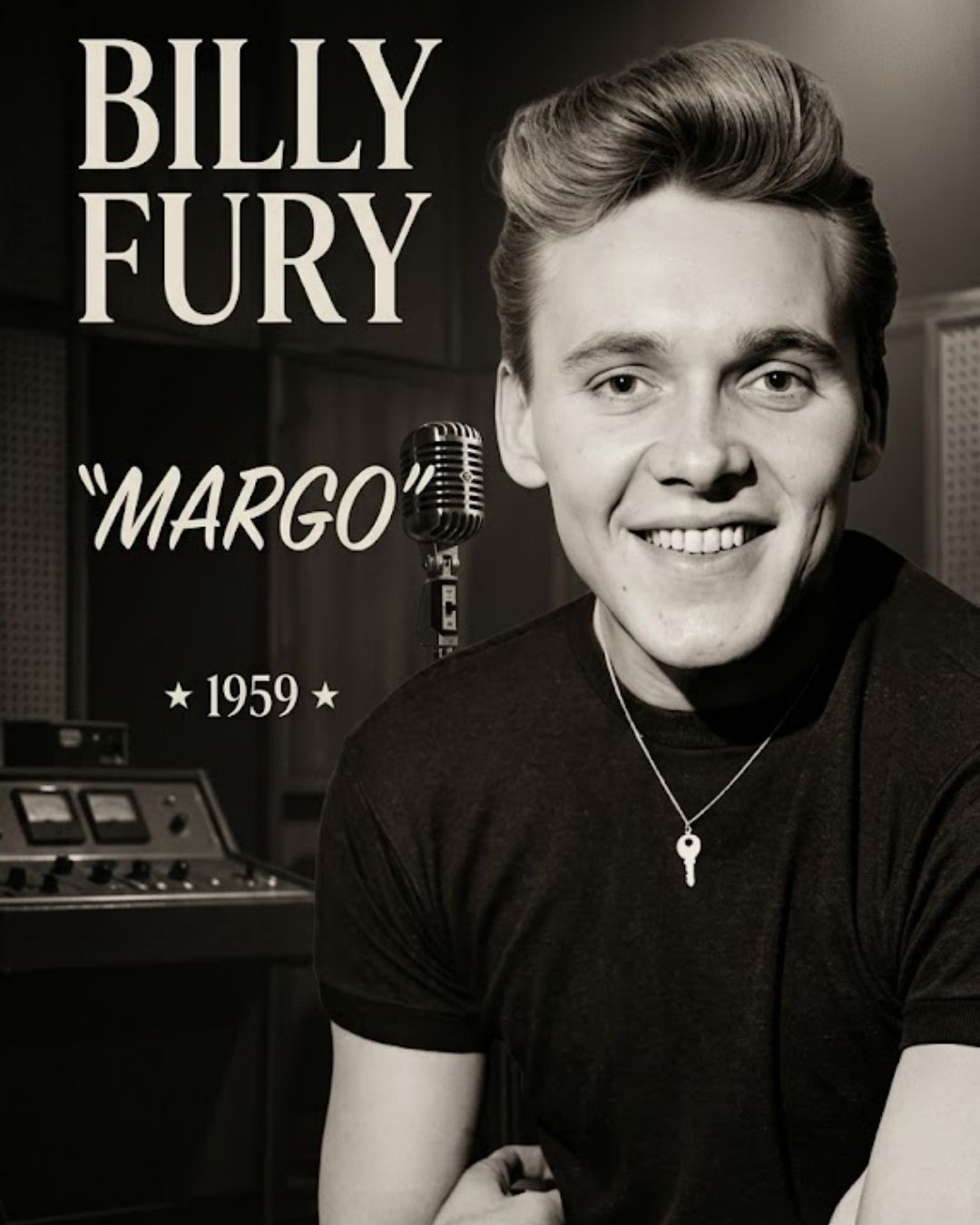
PART 3: THE DEFINITIVE NARRATIVE
INTRODUCTION
On May 28, 1959, nineteen-year-old Ronald Wycherley stepped into Decca Studios under the stage name Billy Fury to deliver his second official single. Unlike his manufactured peers who sang imported American covers, the Liverpool dock worker brought his own melancholic melodies. But why did this intimate teen ballad become such a crucial turning point in British music history?
THE DETAILED STORY
When impresario Larry Parnes auditioned Ronald Wycherley backstage at the Essoldo Theatre in Birkenhead in late 1958, he expected another routine wannabe. Instead, he encountered a quiet Liverpool youth holding a battered acoustic guitar, singing haunting original compositions. Struck by his raw charisma and brooding intensity, Parnes immediately signed him, rechristening him Billy Fury. Unlike the manufactured pop acts dominating the British scene, this former Mersey tugboat deckhand possessed a natural songwriting instinct that immediately set him apart from his contemporaries.
Following his debut single “Maybe Tomorrow,” Fury returned to Decca Studios to record “Margo,” released on May 28, 1959. At a time when the British recording industry relied almost entirely on sanitized, carbon-copy covers of American rock and roll hits, Fury did something truly revolutionary: he wrote both sides of the 45-rpm record himself. Credited to his birth name, Ronald Wycherley, “Margo” represented a rare declaration of creative autonomy within an era governed strictly by impresarios and studio managers.
Musically, “Margo” framed Fury’s vocal style in stark, intimate contrast to the frenetic rockabilly of the late 1958 and 1959 British pop charts. Rather than relying on loud brass or frantic tempo, the track featured a restrained rhythm and delicate guitar interplay that allowed his sultry, trembling baritone to take center stage. Having suffered permanent heart damage from childhood rheumatic fever, Fury carried an innate frailty that informed his singing. On “Margo,” his delivery projected genuine teenage longing and melancholy, turning a simple romantic plea into an authentic, deeply personal emotional statement.
Promoted by his electrifying appearances on Jack Good’s influential television show Oh Boy!, the single entered the UK Singles Chart at No. 28 in late June 1959. While its brief one-week chart appearance disappointed management, the song’s lasting artistic significance was unmistakable. It established Fury not merely as another handsome teen idol, but as Britain’s first true rock and roll singer-songwriter.
Ultimately, “Margo” served as the critical bridge leading directly to his 1960 masterwork album, The Sound of Fury. By demonstrating that a working-class British artist could express raw personal truth through self-written ballads, Fury helped pave the way for the singer-songwriter revolution that would permanently reshape popular music.
Video: Billy Fury – Margo