INTRODUCTION
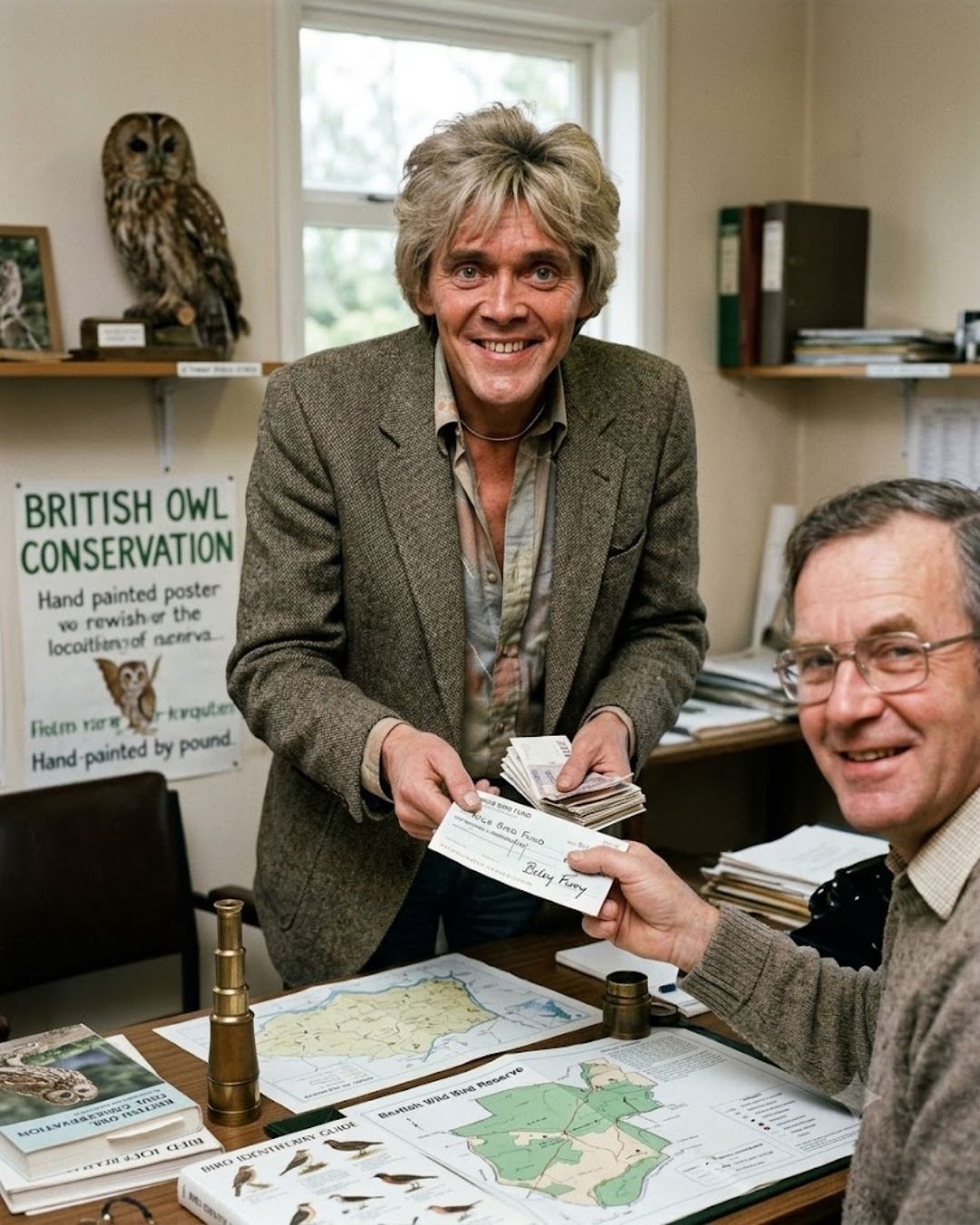
Behind the polished leather jackets and smoldering stage persona of 1960s Britain stood an artist yearning for genuine tranquility. Born Ronald Wycherley in Liverpool, Billy Fury possessed an innate passion for ornithology that far surpassed his desire for commercial accolades. While urban audiences packed concert halls to hear his chart-topping ballads, the singer spent his private hours observing migratory birds across coastal estuaries. However, as the frantic demands of the entertainment industry mounted during the 1970s, Fury made a radical departure from London’s spotlight, purchasing a secluded farmstead in mid-Wales to establish an expansive wildlife and bird sanctuary. What appeared to be a peaceful pastoral retreat soon entangled the pop icon in severe financial jeopardy that baffled both managers and fans. How did an unyielding devotion to animal conservation lead one of rock’s greatest pioneers into devastating financial ruin?
THE DETAILED STORY
Throughout the golden age of British pop, rumors circulated that outside manipulators or opportunistic advisors had duped Billy Fury into disastrous commercial investments. The historical record, however, reveals a far more poignant reality: Fury’s sanctuary in Llanidloes, Wales, was entirely his own vision. Since his working-class childhood exploring the salt marshes of the River Mersey, Fury had found emotional solace in wildlife. Plagued by chronic rheumatic heart disease since the age of six, the singer viewed nature not as an investment portfolio, but as a vital sanctuary from the predatory machinery of show business.
When Fury acquired his Welsh farm, Rhosygwaliau, he threw himself completely into creating a haven for wild birds, rescue animals, and pedigree horses. Rather than commercializing the estate, he funded the sanctuary entirely from his past earnings and royalty streams. Operating a sprawling conservation facility demanded immense capital for daily maintenance, specialized feed, and veterinary care. At the same time, Fury’s health began deteriorating, sharply curtailing his ability to tour and generate steady revenue. Compounding these mounting operational costs was a crushing legacy of unresolved tax assessments dating back to his peak years under management by Larry Parnes, whose contracts famously left artists with minimal long-term security.
By 1978, the financial strain culminated in formal bankruptcy proceedings. Observers viewed the collapse as a cautionary tale of celebrity mismanagement, but for Fury, the farm had never been a financial scheme—it was an uncompromised moral commitment. Even as creditors moved in, Fury refused to compromise his principles, maintaining his deep care for the sanctuary’s inhabitants until his health forced him back into recording studios for his acclaimed 1982 comeback. His Welsh haven stands not as a monument to financial manipulation, but as proof of an artist who chose authentic ecological stewardship over hollow stardom, cementing his status as one of British music’s most genuine and principled figures.