INTRODUCTION
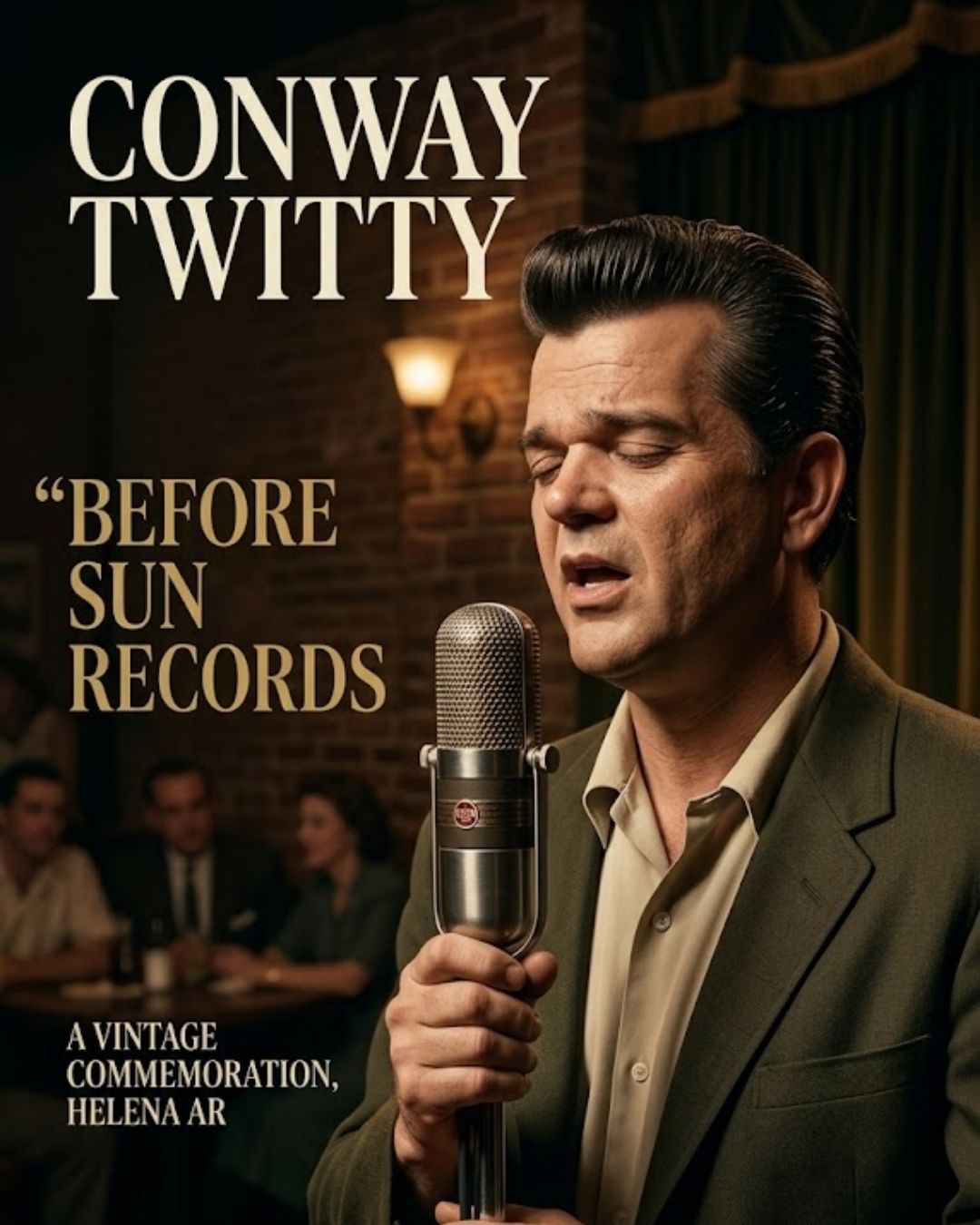
In the spring of 1956, a young veteran stepped off a bus in Phillips County, Arkansas, carrying an army duffel bag and virtually no money. Before his deployment to the Far East with the U.S. Army, Harold Jenkins had shown immense promise as both a regional radio prodigy and an athlete scouted by the Philadelphia Phillies. Yet, returning home as a civilian, the twenty-two-year-old found the Mississippi River town of Helena offering little economic promise beyond exhausting physical labor. With no commercial safety net and a family to help support, Jenkins faced an immediate crossroad: settle into obscure local obscurity or pursue a revolutionary new sound electrifying the South. How did a penniless soldier with an acoustic guitar transform that precarious homecoming into an audition at the most influential studio in Memphis?
THE DETAILED STORY
While stationed overseas, Jenkins had absorbed the seismic cultural shift occurring across the American airwaves. Hearing early rockabilly tracks, particularly the unfiltered energy of Elvis Presley, convinced the young singer that traditional country music was undergoing an irrevocable mutation. Returning to civilian life in Helena, however, offered an unforgiving reality. The athletic career with professional baseball had slipped away during his service, and local industrial jobs paid meager wages. Jenkins spent weeks navigating daily financial strain, practicing late into the evening, and assembling a tight ensemble of regional musicians determined to craft an urgent, contemporary sound.
Recognizing that Helena could no longer contain his ambitions, Jenkins set his sights sixty miles northeast on Memphis, Tennessee. In mid-1956, he gathered his band and traveled directly to 706 Union Avenue—the storefront headquarters of Sun Records. Producer Sam Phillips had already ignited a national revolution with Presley, Johnny Cash, and Carl Perkins. When Jenkins walked through the doors, he carried no industry connections, only an unyielding vocal intensity honed by a decade of Delta radio experience and raw post-war hunger.
At Sun Studio, Phillips recognized Jenkins’ undeniable vocal power and instinct for rhythm. Over several intense recording sessions, Jenkins cut energetic rockabilly tracks including “Rock House” and “Born to Sing the Blues.” Although Phillips chose to retain Jenkins primarily as a songwriter and studio performer rather than launching him as Sun’s next breakout solo star, the experience proved pivotal. The technical discipline, recording methodology, and artistic confidence Jenkins forged inside those hallowed four walls laid the groundwork for his immediate future. Within months, he would adopt the evocative stage name Conway Twitty, sign with MGM Records, and launch a global chart-topping trajectory. The grueling transition from a broke veteran in Helena to a Sun recording artist remains the foundational proving ground that birthed one of the most resilient titans in modern American music.