INTRODUCTION
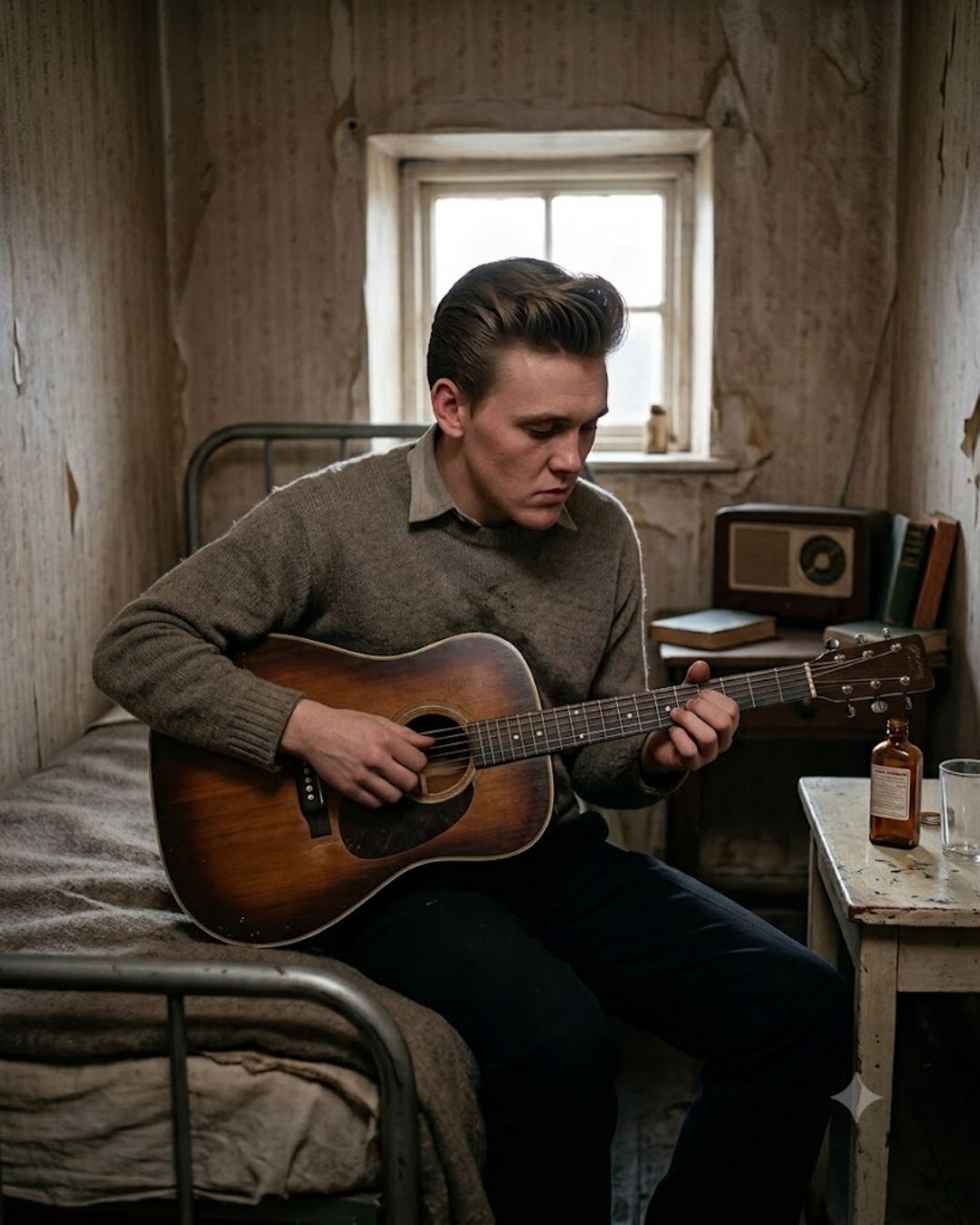
Behind the smudged window of a modest terrace house in Liverpool’s Dingle neighborhood during the late 1940s, a frail boy sat isolated from the bustling working-class streets outside. A brutal siege of rheumatic fever at age six had severely weakened his heart valves, compelling doctors to predict he might not survive into adulthood. While healthy neighborhood boys kicked footballs through brick alleys, young Ronald Wycherley endured endless, quiet months confined to bed rest. Yet inside that solitary room, an unexpected gift—a cheap, four-string ukulele—altered the trajectory of British music forever. Strumming awkward wooden chords, the sickly youth discovered an emotional sanctuary that medical science could not provide. How did a fragile boy from the Dingle transform a child’s toy into the foundation of a legendary rock career?
THE DETAILED STORY
To understand the profound artistry of Billy Fury, one must understand the crucible of his youth on Haliburton Street. Born Ronald Wycherley in 1940, he spent crucial developmental years battling debilitating health. The post-war medical prognosis was grim: his heart was irreversibly damaged, leaving him chronically fatigued and acutely vulnerable to physical strain. Unable to participate in strenuous activities, Ronald retreated inward. His parents purchased a basic ukulele to lift his spirits, hoping the lightweight instrument would keep his idle hands occupied without straining his taxed cardiovascular system.
What began as a diversion quickly evolved into an obsession. With small, patient adjustments, Ronald taught himself basic chord structures, transposing the country records and blues melodies filtering across the Atlantic through the Liverpool docks. The modest four-string neck required minimal physical exertion but unlocked boundless expressive potential. Where other aspiring musicians chased athletic stage performance, Ronald developed an intimate, whispered vocal delivery directly shaped by his restricted lung capacity and delicate stamina. The instrument gave form to his vulnerability, allowing him to channel physical pain into haunting, melancholic melodies.
By the mid-1950s, those rudimentary ukulele chords progressed to acoustic guitar and original songwriting. When impresario Larry Parnes famously discovered him backstage at the Essoldo Theatre in Birkenhead in 1958, Ronald—promptly christened Billy Fury—did not just present an Elvis Presley homage; he offered an authentic, self-composed repertoire rooted in genuine pathos. Songs like “Maybe Tomorrow” captured a wounded sensitivity previously unheard in early British rock and roll, propelling him to 24 UK chart hits throughout the 1960s.
Though Fury’s heart condition would ultimately cut his life tragically short in 1983 at age 42, his artistic genesis remained anchored in those quiet Liverpool afternoons. The humble ukulele was never merely an introductory toy; it was the vital lifeline that preserved his spirit, sculpted his unique musicality, and launched one of Britain’s most enduring pop legacies.