INTRODUCTION
In the early 1960s, the British music scene was dominated by teenage rebellion and fast-paced rock and roll. Amidst this frenzy, a notoriously shy boy from Liverpool stepped into the studio to record a decades-old instrumental tango. It was a massive artistic gamble that could have derailed his momentum. How did a vintage ballroom melody transform a rebellious rocker into a definitive pop idol?
THE DETAILED STORY
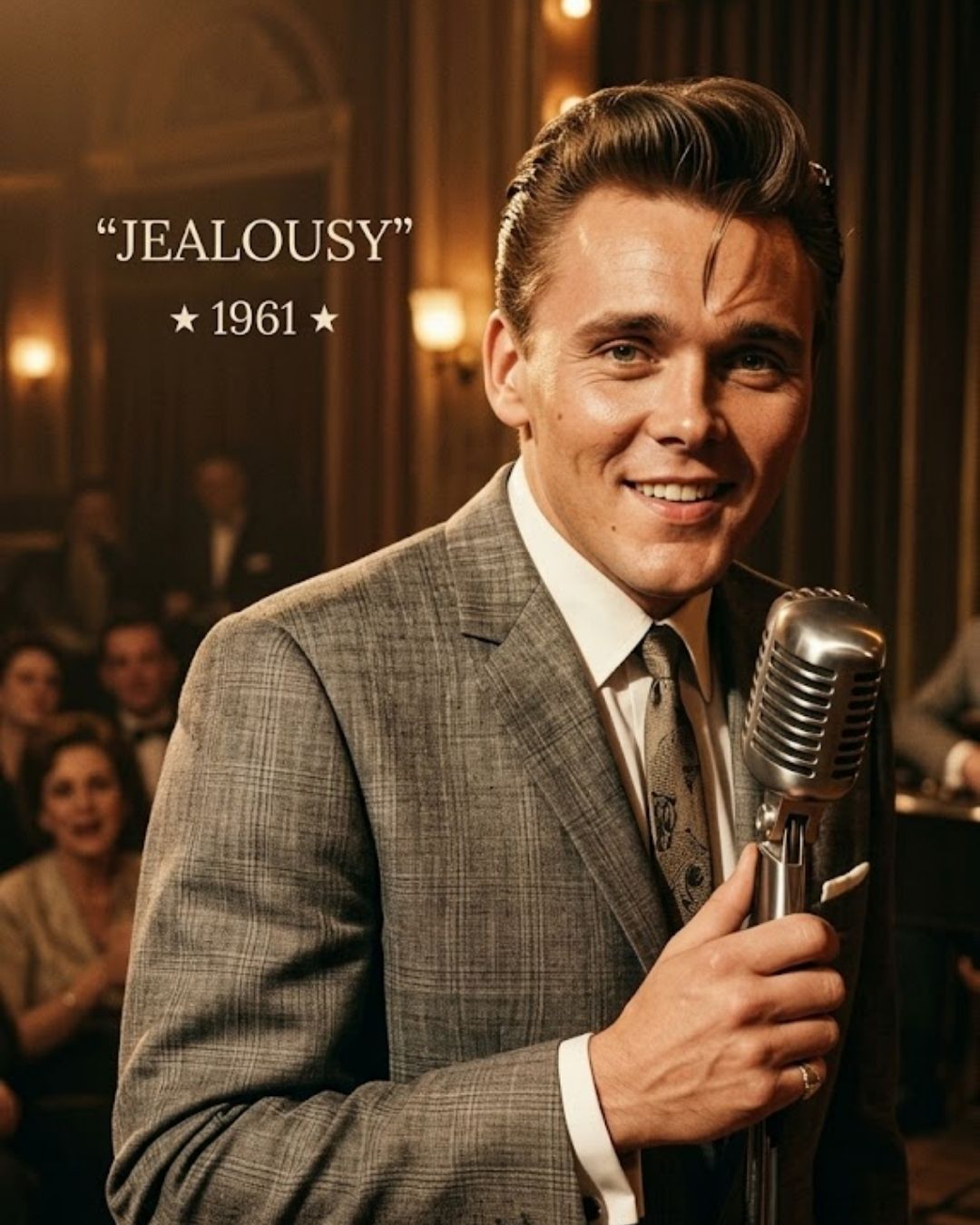
Originally composed in 1925 by Danish musician Jacob Gade under the title “Jalousie ‘Tango Tzigane’,” the melody was a dramatic instrumental staple of silent movie theaters. Decades later, with evocative English lyrics penned by Winifred May, the composition was waiting patiently for a voice that could carry its immense emotional weight. Enter Billy Fury. In 1961, Fury was standing at a crucial artistic crossroads. He had already firmly established himself as Britain’s authentic answer to Elvis Presley, unleashing the critically acclaimed, self-penned rockabilly masterpiece “The Sound of Fury.” However, his visionary producer Jack Good and his management team envisioned a much broader horizon. They aimed to mold his brooding, James Dean-like charisma into a highly sophisticated pop phenomenon.
Recording this particular track was a radical stylistic departure. Accompanied by Ivor Raymonde’s sweeping, cinematic orchestral arrangements, Fury stripped away the aggressive bravado of rock and roll to reveal an astonishing vulnerability. His vocal performance is a brilliant masterclass in controlled agony. From the trembling, velvet-toned opening lines to the soaring, desperate crescendos, Fury perfectly encapsulates the paralyzing physical grip of romantic paranoia. He did not simply sing the lyrics; he lived them, channeling his own notorious stage fright and introverted nature into a tragic character entirely consumed by devastating suspicion and heartache.
When released, the single immediately proved that this artistic evolution was an undeniable stroke of genius. It stormed the UK Singles Chart, triumphantly peaking at number two and spending months captivating the British public. This immense commercial success was a definitive watershed moment, proving that young British artists could confidently deliver highly polished, emotionally complex pop standards without sacrificing their authentic rock edge. It successfully bridged the stylistic gap between the fading era of traditional crooners and the imminent cultural explosion of the British Invasion.
More importantly, the track permanently solidified Billy Fury’s towering legacy as one of the absolute most versatile and emotionally resonant vocalists of his entire generation. While the looming Merseybeat phenomenon would soon radically reshape the global musical landscape, this sweeping orchestral ballad remains a deeply timeless testament to a shy boy from Liverpool. He was a star who could effortlessly break a million hearts with nothing more than a quiet whisper and a beautifully trembling melody. It is an enduring masterpiece.