INTRODUCTION
In the autumn of 1976, songwriter Randy Edelman presented a delicate piano composition centered on geographic separation and unanswered romantic yearning. When Barry Manilow heard the piece, he transformed its intimate lament into an explosive, theatrical tour de force. But how did a song that never mentions its own title become one of the defining ballads of the decade?
THE DETAILED STORY
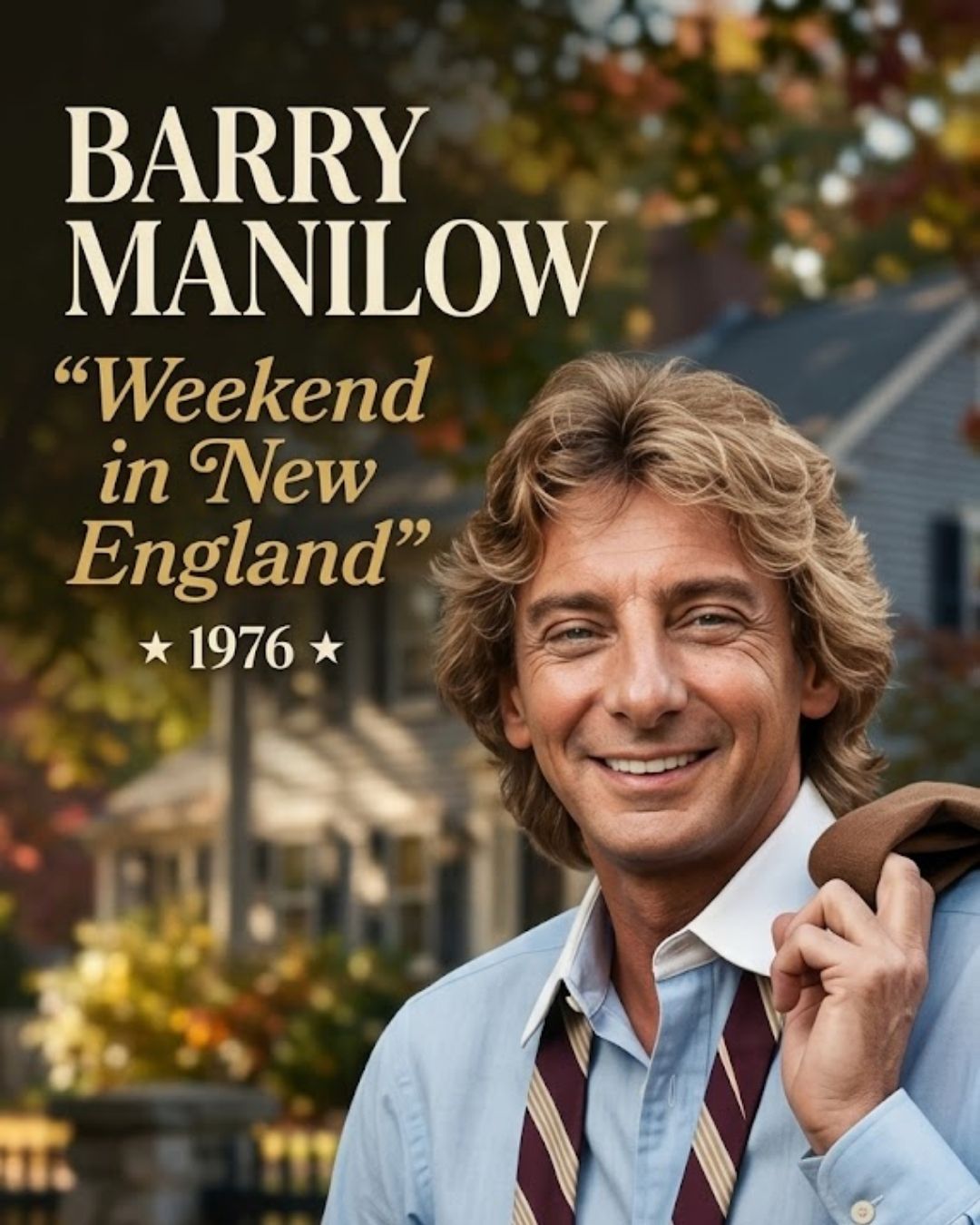
When songwriter Randy Edelman penned the composition in the mid-1970s, he drew deep inspiration from a poignant weekend getaway along the rocky coast of the northeastern United States. Edelman captured the tender melancholy of parting ways after brief, stolen moments of intimacy, leaving two lovers suspended between vivid memories and uncertain future reunions. When Barry Manilow first heard the acoustic demo, he immediately recognized the raw emotional resonance beneath its quiet exterior. Alongside longtime co-producer Ron Dante, Manilow selected the track for his landmark 1976 studio album, This One’s for You, sensing a rare opportunity to elevate the introspective piece into an expansive, cinematic pop masterpiece.
The recording process highlighted Manilow’s formidable genius as a classical-trained arranger and dramatic vocal interpreter. Rather than rushing into explosive production, the arrangement opens with solitary, melancholic piano chords supported by an understated rhythm section. As the narrative unfolds, lush orchestral strings and subtle horns gradually swell, mirroring the protagonist’s rising inner tension and desperate yearning. The true emotional centerpiece arrives not through a conventional pop chorus, but through an escalating sequence of raw rhetorical questions: “When will our eyes meet? When can I touch you? When will this strong yearnin’ end?” Manilow delivers each inquiry with escalating vulnerability and power, culminating in a signature, soaring key modulation where his voice surges effortlessly above the magnificent orchestral backdrop.
What makes the recording particularly enduring in twentieth-century music history is its subtle title paradox. Throughout the entire four-minute performance, the phrase “Weekend in New England” is never sung or spoken once. The title serves instead as an atmospheric narrative anchor, allowing universal themes of distance, longing, and heartache to transcend any single location. Millions of listeners across the globe could readily project their personal memories of bittersweet separation onto the majestic melody.
Released as a single in December 1976, the track achieved remarkable commercial success. It climbed to number ten on the Billboard Hot 100 in early 1977 and seized the number-one position on the Billboard Adult Contemporary chart. Today, “Weekend in New England” remains a pinnacle of Barry Manilow’s storied career—a timeless triumph of structural dynamics, evocative lyricism, and passionate vocal artistry.