INTRODUCTION
Under the scorching midday sun of the Mediterranean, the shutter of a telephoto lens clicked continuously from a chartered speedboat. The target was unmistakable: Sir Cliff Richard, the consummate showman of British pop, laughing aboard a private yacht surrounded by a close circle of longtime male friends. Within hours, UK newsrooms were scrambling to turn candid vacation snapshots into a sensational narrative regarding the lifelong bachelor’s private life. For decades, the media had attempted to decipher the enigmatic world behind the singer’s spotless public persona. Yet, as front-page headlines roared across newsstands on both sides of the Atlantic, the episode exposed a far deeper cultural collision between ruthless tabloid appetite and an artist’s sovereign right to privacy. What propelled Britain’s perpetual hitmaker to navigate this intense storm without ever compromising his dignity?
THE DETAILED STORY
Throughout his monumental career, Sir Cliff Richard occupied an unprecedented space in global popular culture. Bursting onto the music scene in 1958 with his landmark single “Move It,” he subsequently amassed over 250 million records sold worldwide and achieved the rare distinction of scoring number-one singles across five consecutive decades on the UK Official Singles Chart. Yet, parallel to this monumental commercial triumph ran an obsessive, decades-long tabloid campaign to pry into his private life and personal choices.
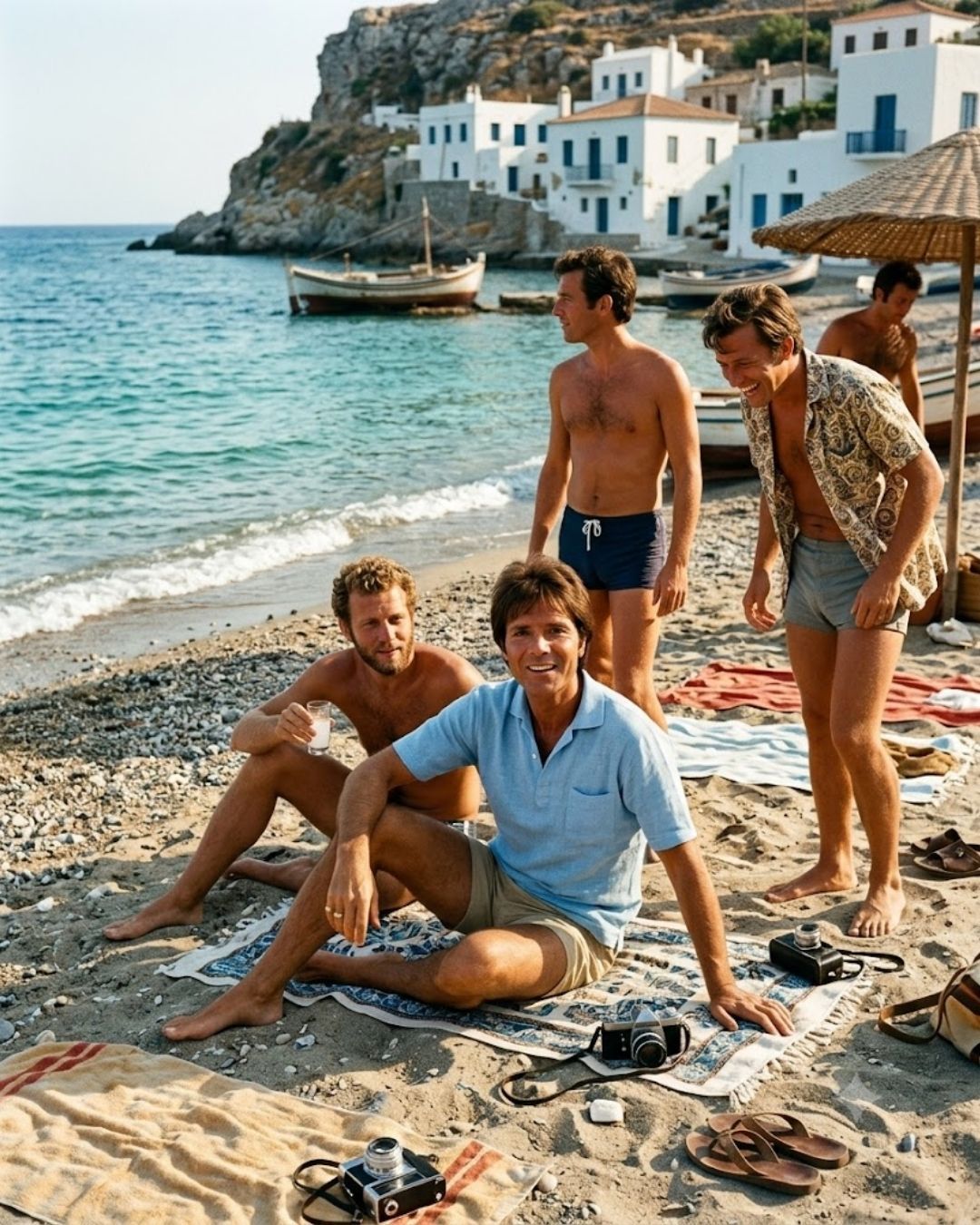
When paparazzi photographs captured Richard vacationing across the sun-drenched Mediterranean coastline alongside a close circle of male companions, British media outlets instantly manufactured a frenzy. Tabloid front pages printed the vacation pictures with sensationalist undertones, obsessively interrogating his bachelorhood and scrutinizing his long-standing bonds with trusted confidants, including former priest John McElynn and longtime associate Bill Latham. Editors anticipated that the intense scrutiny would force an apologetic retraction or defensive retreat from the beloved music legend. Instead, they encountered an unshakeable masterclass in dignity and self-possession.
Rather than surrendering to media intimidation, Richard met the storm with disarming candor and moral clarity. Addressing the public interest directly in his 2008 autobiography My Life, My Way, he articulated a refreshing and authentic philosophy of companionship. He firmly asserted that happiness cannot be dictated by conventional societal expectations and emphasized that sharing his homes and travels with loyal friends was his sovereign prerogative. By refusing to validate intrusive assumptions, he effectively stripped Fleet Street of its power to dictate his personal narrative.
Ultimately, this Mediterranean media episode stands as a defining turning point in modern celebrity journalism. Richard transformed what was intended as a gossiping ambush into a powerful statement on autonomy and personal dignity. By confronting intrusive cameras with unyielding grace and steadfast integrity, he reaffirmed his enduring stature as one of Britain’s most resilient and revered cultural icons.