INTRODUCTION
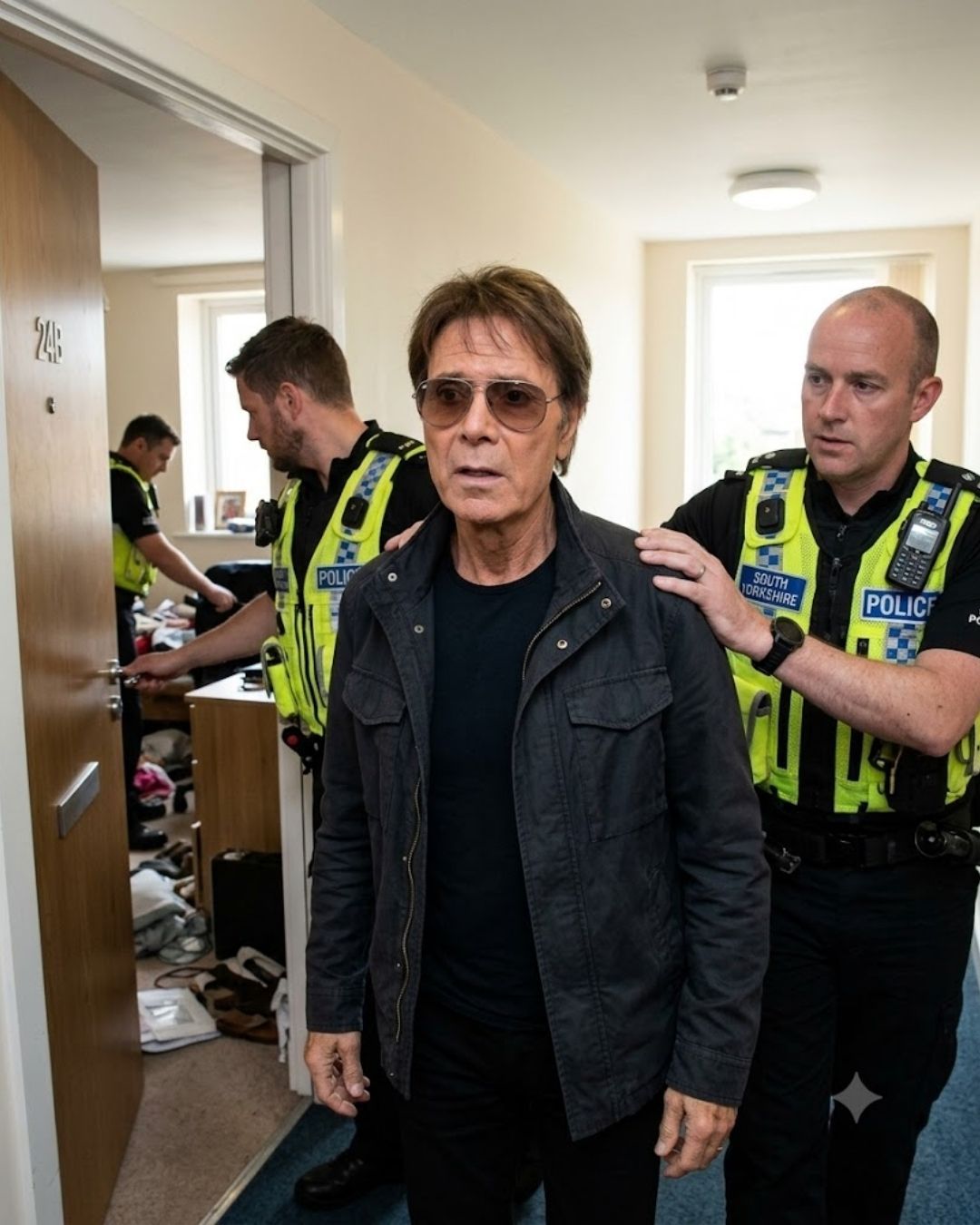
On the serene morning of 08/14/2014, the tranquil skies above an exclusive residential enclave in Sunningdale, Berkshire, were shattered by the rhythmic thrum of news helicopters. Inside a luxury penthouse apartment, South Yorkshire Police detectives conducted a sweeping search while broadcast cameras beamed high-definition aerial footage to televisions around the globe. Hundreds of miles away in Portugal, legendary British pop icon Cliff Richard watched in stunned disbelief as his private sanctuary was exposed to millions before authorities had even requested an interview. The sensational spectacle unfolded without an arrest, a formal charge, or direct notification. What began as a brazen media event soon transformed into one of the most consequential legal battles in modern British history, challenging where privacy ends and state power begins. How did an unjust media invasion turn into a definitive triumph for human dignity?
THE DETAILED STORY
The unprecedented live coverage of the Berkshire search sent shockwaves through the global entertainment industry. For an artist who had shaped British popular music since the late 1950s, the reputational jeopardy appeared catastrophic. Yet beneath the sensational headlines lay an investigation built entirely on uncorroborated allegations. For nearly two grueling years, the venerable singer endured public scrutiny with immense composure, consistently asserting his innocence while cooperating fully with judicial authorities.
The turning point arrived in June 2016, when the Crown Prosecution Service officially announced that no charges would be brought against Cliff Richard, confirming that the claims were devoid of evidentiary basis. Rather than quietly moving forward, the artist made the principled decision to pursue legal accountability against institutional overreach. He initiated High Court proceedings against both the BBC and the South Yorkshire Police, seeking to redress the severe infringement upon his fundamental civil liberties.
In July 2018, Mr. Justice Mann delivered a historic verdict in London’s High Court, ruling decisively in Richard’s favor and awarding him over $270,000 in general damages alongside substantial legal costs. The landmark ruling established a monumental precedent in English common law: individuals under police investigation possess a recognized, legally enforceable right to privacy unless formal charges are filed. The court affirmed that sensationalism cannot supersede an individual’s right to protection against premature reputational damage.
Vindicated by the highest judicial standards, Richard channeled his renewed strength directly back into his lifelong passion. He returned triumphantly to concert stages and recording studios, releasing chart-topping albums and celebrating more than six decades of artistic excellence. His steadfast resilience not only restored his untarnished legacy as one of Britain’s most beloved vocalists, but also gifted future generations an essential shield against institutional and media intrusion.