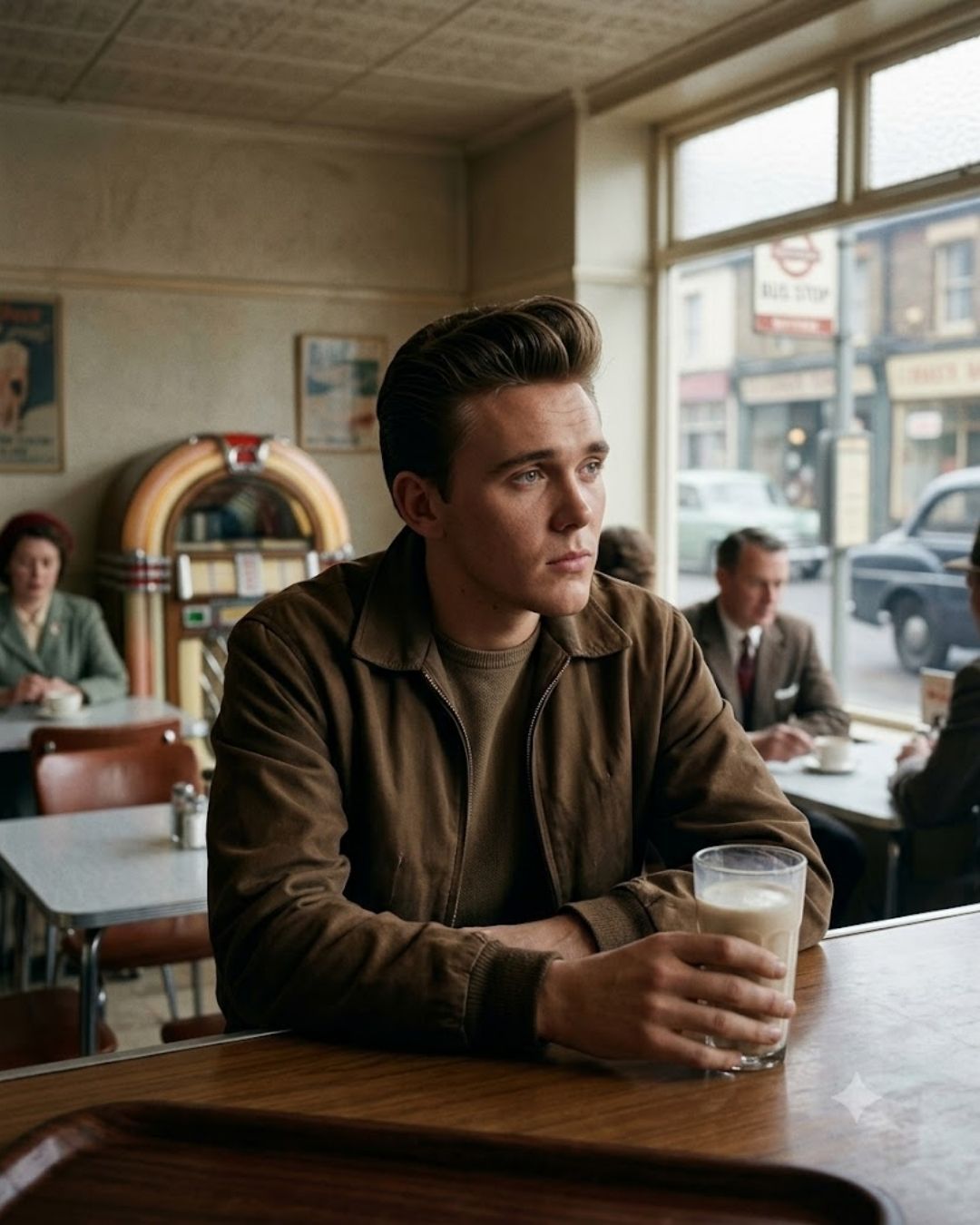
INTRODUCTION
In late 1959, the stage lights dimmed inside Britain’s traditional variety halls, revealing a frail, striking dockworker from Liverpool who did not merely sing—he writhed with unvarnished passion. Billy Fury gripped the microphone stand like a lifeline, executing sharp pelvic lunges and rhythmic hip contortions that sent shockwaves through the auditorium. While thousands of teenage spectators erupted into ecstatic frenzy, the seated press corps recoiled in genuine horror. Critics swiftly unleashed a barrage of scathing reviews, branding his kinetic performance as “crude exhibitionism,” “repulsive,” and a “cheap imitation of American delinquency.” Theater directors even stationed stagehands at the heavy iron curtains, prepared to abort the show at the first sign of physical impropriety. How did a shy, sensitive young artist survive such venomous hostility to redefine the landscape of British rock and roll?
THE DETAILED STORY
When impresario Larry Parnes recruited nineteen-year-old Ronald Wycherley from the back alleys of Merseyside, he envisioned an explosive answer to the American rockabilly wave. Yet mainstream entertainment journalists in postwar Britain were utterly unprepared for the raw physical language Fury brought to the footlights. Influenced by rhythm-and-blues and the uninhibited motion of Eddie Cochran, Fury abandoned the polite, statuesque stance of traditional crooners. His performances incorporated dramatic micro-movements: sliding across his knees, arching his back, and delivering suggestive pelvic thrusts that mirrored the intense romantic anguish of his self-penned lyrics.
The backlash from the moral establishment was immediate and merciless. Editorial columns in regional and national publications lamented what they described as a degradation of public morality, explicitly accusing Fury of relying on “cheap, lewd contortions” to compensate for musical craft. During a high-profile package tour in early 1960, several municipal hall managers issued formal ultimatums to Parnes, demanding that the young singer eliminate his signature hip movements under penalty of immediate cancellation. When Fury refused to dilute his kinetic delivery in Dublin, stage managers dramatically lowered the house curtains mid-song, attempting to shield the screaming crowd from his expressive body language.
Rather than crushing his nascent trajectory, this intense institutional condemnation galvanized Fury’s artistic resolve. Behind the scandalous choreography lay a remarkably disciplined songwriter with a distinctive, melancholic vocal timbre. He channeled the public controversy directly into his landmark 1960 Decca release, The Sound of Fury, an album now universally recognized as one of the finest rockabilly records ever produced in the United Kingdom. By standing firm against the vitriol of conservative critics, Fury dismantled the era’s sanitized conventions, demonstrating that physical expression and emotional vulnerability were essential catalysts for the modern rock idiom.