INTRODUCTION
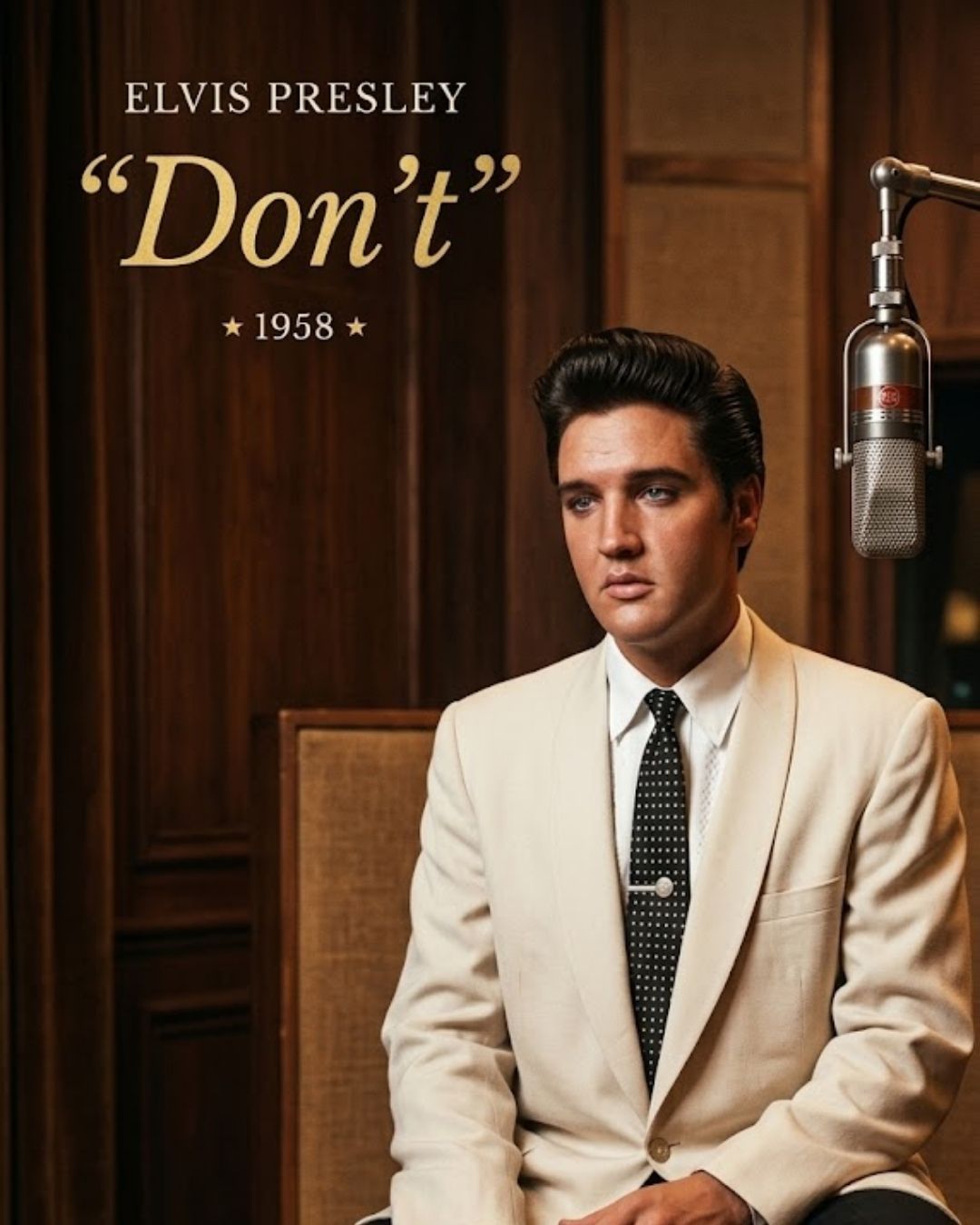
On the quiet evening of September 6, 1957, inside Hollywood’s famed Radio Recorders studio, twenty-two-year-old Elvis Presley stepped up to the microphone without his usual acoustic guitar. Ditching the furious rockabilly energy that had scandalized the nation, he sought something far more perilous: absolute, hushed restraint. How did a gentle request for a ballad transform into one of the most haunting love confessions in pop music history?
THE DETAILED STORY
By late 1957, Elvis Presley stood as the undisputed titan of American rock and roll, riding high on electrifying anthems like “Jailhouse Rock”. Yet beneath that explosive stage charisma and rebellious swagger lay a deeply ambitious vocalist determined to demonstrate his technical maturity to older audiences. During quiet downtime between demanding film shoots and studio sessions, Presley approached the brilliant songwriting duo Jerry Leiber and Mike Stoller with an explicit personal request: create a sophisticated, slow-burning ballad tailored specifically for his lower vocal range. Embracing the challenge, Leiber crafted evocative lyrics capturing the exquisite tension and unspoken desires of romantic hesitation, while Stoller constructed a subtle, blues-shaded chord progression that prioritized emotional suspense over fast-paced rhythmic momentum.
When Presley gathered his core musicians inside Hollywood’s legendary Radio Recorders, the creative atmosphere shifted dramatically toward quiet concentration. Pianist Dudley Brooks provided delicate, melancholic chord voicings, while guitarist Scotty Moore, bassist Bill Black, and drummer D.J. Fontana dialed their instruments down to an understated, atmospheric pulse. Backing vocalists The Jordanaires enveloped Presley with ethereal, seamless gospel-tinged harmonies that drifted like gentle nocturnal mist throughout the room. Presley’s vocal execution was a revelatory masterclass in dynamic restraint. Setting aside his trademark vocal hiccups and physical bravado, he leaned into an intimate, warm baritone, whispering the opening lines with breathtaking closeness before swelling into an aching, vulnerable plea. Every subtle breath, micro-pause, and emotional inflection felt profoundly exposed, transforming the studio microphone into an ear-to-ear confession.
Issued as a single in January 1958 with “I Beg of You” on the reverse side, the ballad completely dismantled critics who had dismissed Presley as a fleeting teen phenomenon. The recording quickly reached number one on the Billboard charts, spending several weeks dominating national sales while simultaneously earning major airplay across rhythm and blues as well as country radio stations. Arriving shortly before his induction into the United States Army, the track solidified his status as a genuinely versatile vocal interpreter capable of evoking deep, universal pathos. More than six decades later, “Don’t” endures as a masterwork of mid-century pop architecture, proving that Presley’s most enduring magic lived within tender, breathless vulnerability.