Introduction
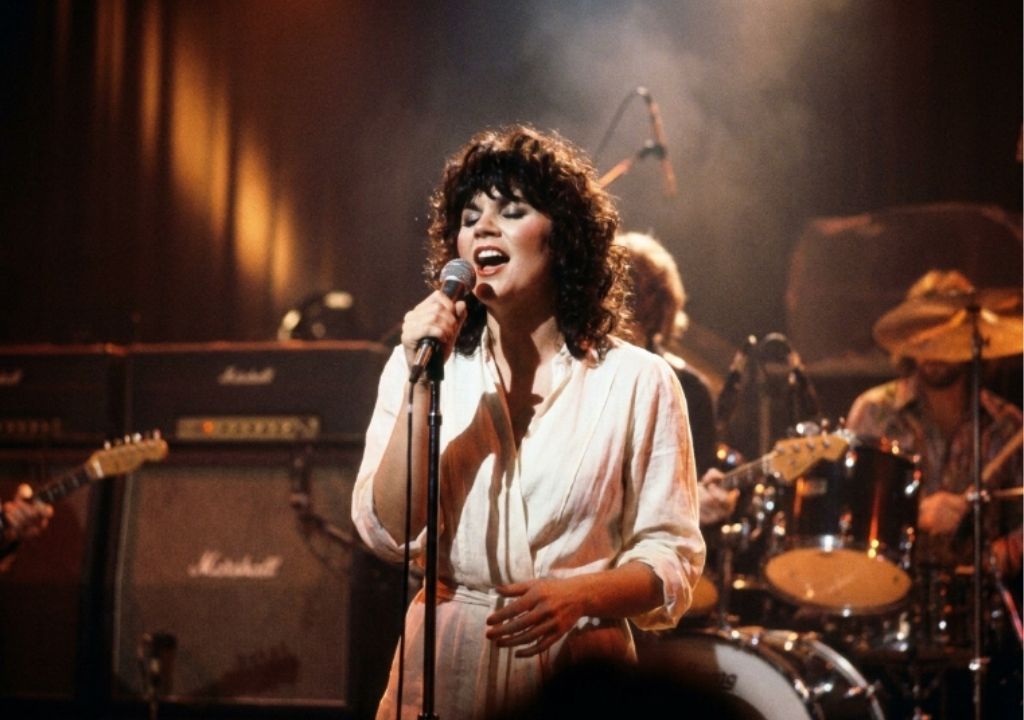
To look back at the late 1960s is to witness a golden era where music possessed a tangible, breathing soul. It was a time when artists didn’t just record tracks; they poured their triumphs, failures, and deepest psychological battles onto reels of magnetic tape. Among the pioneers navigating this emotional and sonic wilderness was a young Linda Ronstadt, fresh from her time with The Stone Poneys and stepping bravely into the spotlight as a solo force. Her 1969 debut solo album, Hand Sown… Home Grown, serves as a magnificent testament to this pivotal moment, and nestled deep within its tracklist lies her brilliant, bruising interpretation of John D. Loudermilk’s “Break My Mind.” While others had approached the song with a traditional country bounce, Ronstadt infused it with a desperate, raw vulnerability that transformed it into a cinematic exploration of romantic anguish.
The song opens not with a gentle invitation, but with an immediate, driving rhythm that mirrors the frantic pacing of an anxious heart. The acoustic guitars churn, the bassline thumps with relentless intent, and the subtle twang of the instrumentation transports the listener straight to a rain-streaked window in a lonely motel room. But the true magic of the track occurs the exact second Linda’s vocals pierce through the arrangement. There is an incredible, almost terrifying power in her delivery. She doesn’t just sing about a lover threatening to leave; she captures the absolute terror of a mind on the very brink of fracturing. Her voice sweeps upwards with an effortless, soaring clarity, yet it remains anchored by a heavy, soul-baring grit that can only come from a place of genuine emotional understanding. When she begs her lover to either stay or completely set her free, you don’t just hear the melody—you feel the actual weight of the walls closing in.
What makes this specific recording an essential piece of nostalgic music history is how perfectly it captures the genesis of the Southern California country-rock movement. This wasn’t the polished, formulaic sound coming out of Nashville at the time; this was something looser, wilder, and deeply authentic. The musicians in the room played with a fiery instinct, weaving traditional folk storytelling with the rebellious, unfiltered energy of rock and roll. The analog production leaves everything wonderfully exposed—the natural warmth of the instruments, the slight, organic imperfections that give the track its humanity, and the sheer, unbridled resonance of Ronstadt’s incomparable instrument. Listening to “Break My Mind” decades later feels like discovering a hidden, dust-covered diary entry from a bygone era. It stands as a beautiful, timeless reminder of why Linda Ronstadt remains an unmatched interpreter of the human condition, capable of turning a simple country song into an everlasting monument to the beautiful, agonizing complexity of love.