Introduction
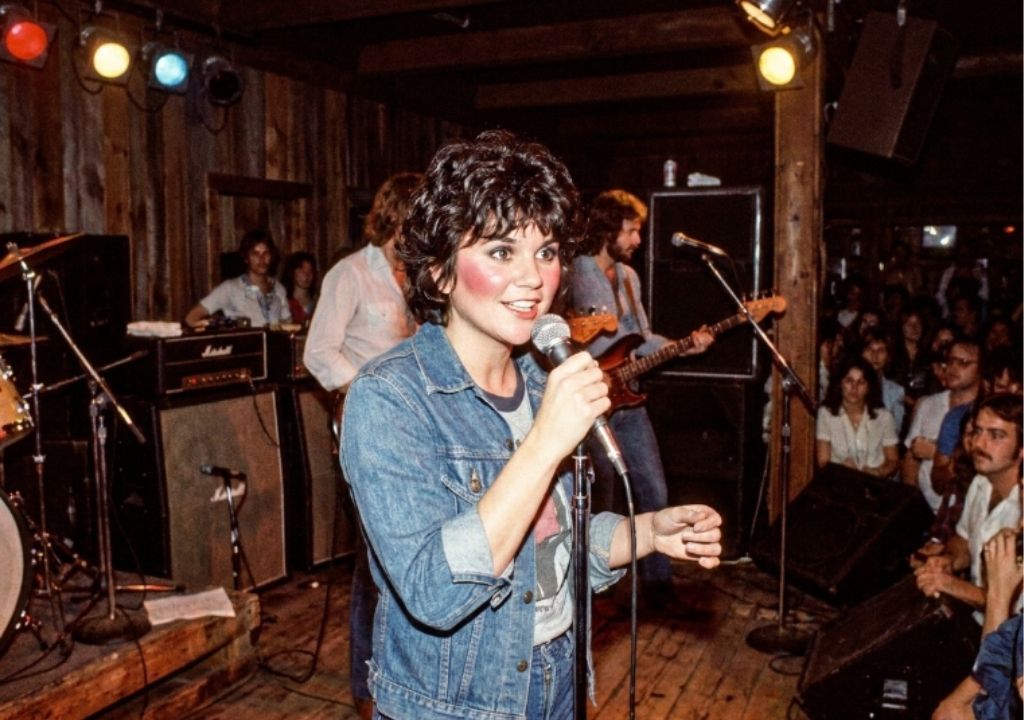
The late 1960s was an era of profound transformation, not just in society, but in the very fabric of American roots music. In the smoke-filled honky-tonks and sprawling recording studios, a new breed of artists was beginning to challenge the rigid boundaries of traditional Nashville country. At the forefront of this sonic rebellion was a young, fiercely talented woman from Arizona named Linda Ronstadt. Before she became a stadium-packing rock icon, Ronstadt was laying the groundwork for the country-rock movement, bringing a raw, unvarnished energy to a genre that often demanded conformity from its female artists. Her brilliant 1969 rendition of “The Only Mama That’ll Walk the Line”—a clever, gender-flipped interpretation of Waylon Jennings’ outlaw country hit—perfectly encapsulates this defiant, pioneering spirit.
From the moment the needle touches the groove, the song erupts with a swaggering, foot-stomping rhythm that commands your absolute attention. A biting acoustic guitar and a punchy, driving bassline set the stage, creating an atmospheric backdrop that feels like a midnight drive through the neon-lit heart of a vintage desert town. But it is Ronstadt’s vocal performance that elevates the track from a mere cover into an absolute tour de force. Where Jennings brought a gritty, masculine bravado to the original, Ronstadt counters with an electrifying mix of soulful grit and unyielding independence. Her voice is a magnificent instrument—rich, full-bodied, and laced with a subtle, fiery attitude that refuses to be tamed. When she delivers the iconic lines, she isn’t pleading or mourning a lost love; she is drawing a line in the sand, claiming her autonomy with every single note.
What makes this recording such a nostalgic treasure is its organic, unfiltered production. This was a time when musicians gathered in a room, capturing lightning in a bottle through sheer talent and analog warmth. The steel guitar cries in the background, weaving around Ronstadt’s powerhouse vocals like a faithful companion on a dusty road. There are no modern studio tricks or artificial corrections here—just the pure, honest weight of a singer who completely understands the emotional core of the blues and country tradition. It serves as a beautiful time capsule of the burgeoning Laurel Canyon music scene, a moment when folk lyricism, country honesty, and rock-and-roll attitude melted together into something entirely new. Listening to it decades later, the track still crackles with that same rebellious, vibrant energy. It reminds us of a golden era when a voice could change the narrative, and Linda Ronstadt proved, beyond a shadow of a doubt, that she was the only mama who could truly walk that line.