INTRODUCTION
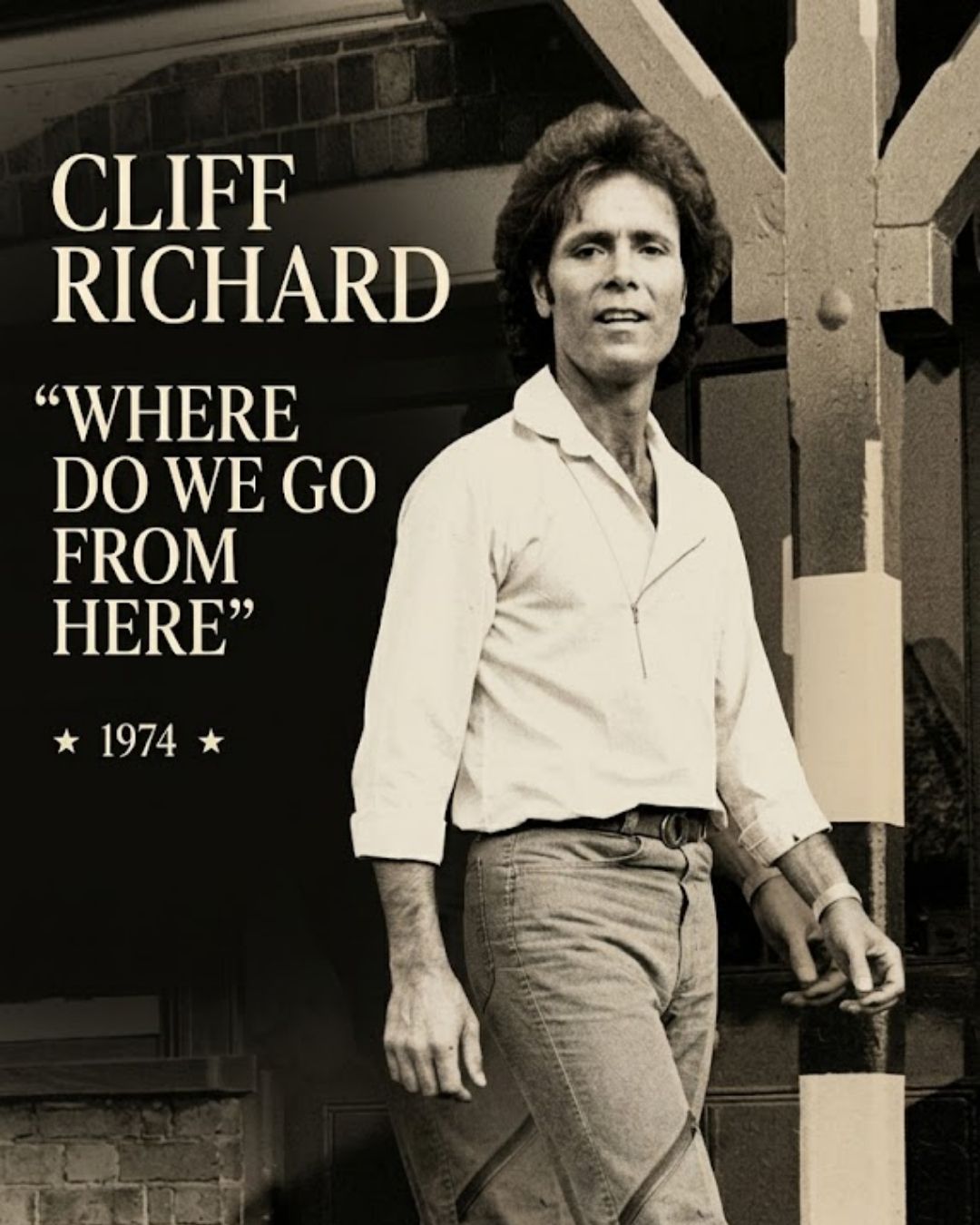
In the summer of 1982, British music icon Cliff Richard entered the recording studio determined to keep expanding his contemporary pop-rock sound. Collaborating with producer Craig Pruess and songwriter Chris Eaton, he embraced modern synthesizers to deliver a surging declaration of renewed faith and purpose. But what drove a veteran superstar to take such an energetic creative leap over two decades into his legendary career?
THE DETAILED STORY
By 1982, Cliff Richard had already achieved what few pop artists could dream of: surviving the shifting tides of British rock and roll across four distinct decades. Rather than resting on the acoustic nostalgia of his early hits or the disco-tinted grooves of his late-seventies resurgence, Richard embraced the dawn of the new wave era with remarkable agility. Central to this sonic refresh was his studio album, Now You See Me, Now You Don’t, an ambitious project that effortlessly blended commercial synth-pop sensibilities with deep personal conviction.
At the heart of that record stood “Where Do We Go from Here,” a pulsating track penned by renowned Christian singer-songwriter Chris Eaton. Eaton, who would later write timeless anthems across the contemporary Christian music scene, provided Richard with a composition that was both an infectious pop vehicle and a profound spiritual testament. Produced jointly by Richard and multi-instrumentalist Craig Pruess, the track immediately set itself apart with crisp electronic percussion, tight synthesized basslines, and bright, interlocking keyboard textures that reflected the cutting-edge studio technology of 1982.
Lyrically, the song operates on two compelling levels. To the casual pop listener, the opening verses suggest an intense romantic encounter, characterized by total surrender and vulnerability. Yet beneath the shimmering melody lies an unequivocal spiritual narrative. Lines like “Holding my life in your hands / I want to do what you command” articulate a resolute surrender to the divine. Instead of presenting faith as a passive sanctuary, Richard framed it as an exhilarating journey forward. The central question—where do we go from here—is not an expression of doubt, but an open-hearted declaration of readiness for the future.
Released as a single by EMI in August 1982, the track showcased Richard’s vocal power, navigating seamless transitions between rhythmic verses and an uplifting, soaring chorus. While it reached number sixty on the UK Singles Chart, its true cultural significance lay in demonstrating how a mainstream secular star could weave authentic gospel devotion into radio-ready pop without sounding didactic. Decades later, as evidenced by his triumphant performances at London’s Royal Albert Hall, the song remains an enduring testament to artistic courage, spiritual clarity, and timeless eighties vibrancy.