INTRODUCTION
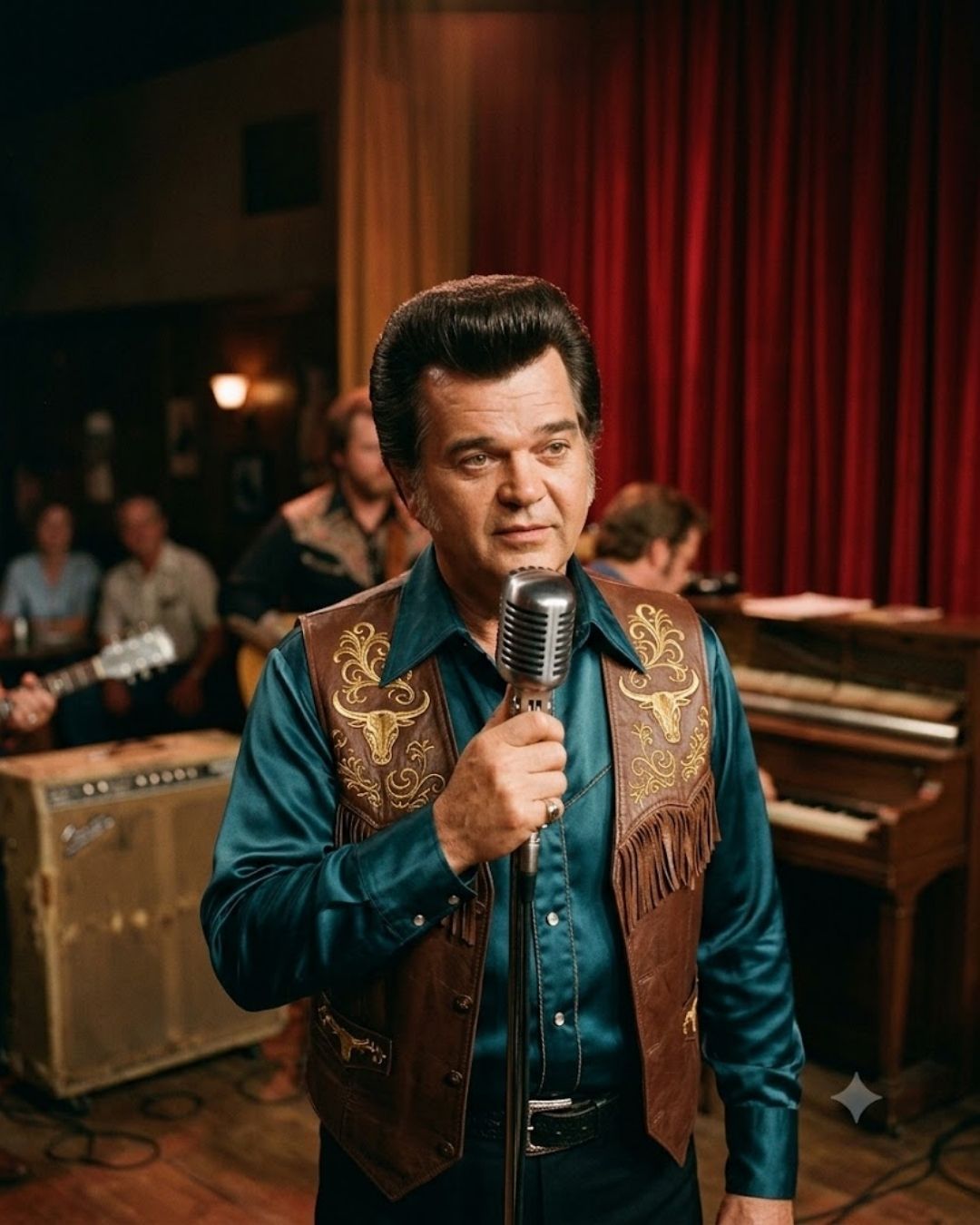
In the winter of 1972, within the hallowed studio spaces of Bradley’s Barn in Mt. Juliet, Tennessee, an artist at the height of his creative sovereignty chose an uncommon path. While the prevailing country music formula favored hard-luck anthems or raucous honky-tonk refrains, Harold Jenkins—known globally as Conway Twitty—sat with a pencil and yellow pad to craft an intimate portrait of domestic quietude and quiet crisis. Released under Decca Records, “She Needs Someone to Hold Her (When She Cries)” did not rely on soaring melodrama; instead, it offered an unsparing, close-up study of relational neglect and emotional rescue. The track resonated with immediate, startling clarity across American airwaves, challenging conventional radio norms. But how did a former rockabilly rebel manage to dismantle the genre’s hardened exterior and permanently redefine modern balladry?
THE DETAILED STORY
By the early 1970s, Conway Twitty had already accomplished what few performers could dream of: pivoting from a meteoric teen-idol rock career to becoming an indispensable architect of modern country music. Yet, as Billboard charts reflected shifting cultural dynamics, Twitty recognized that the true power of American storytelling lay not in bravado, but in psychological precision. When he penned “She Needs Someone to Hold Her (When She Cries),” he deliberately bypassed conventional songwriting tropes, adopting the perspective of an observant, empathetic narrator who recognizes the quiet fractures in human relationships.
Recorded under the masterful production of Owen Bradley, the track established an unprecedented sonic intimacy. Bradley layered subtle pedal steel guitar beneath Twitty’s rich, resonant baritone, allowing every deliberate pause to convey profound narrative weight. Upon its official chart debut, the single ascended with unstoppable momentum, officially securing the number one position on the Billboard Hot Country Singles chart on March 17, 1973. It remained atop the summit for two consecutive weeks, cementing Twitty’s tenth solo chart-topper and setting a critical standard for Decca/MCA’s Nashville operations.
The commercial triumph of the record represented far more than a routine radio hit. It marked a watershed evolution in how country music framed adult vulnerability. Twitty understood that audiences craved emotional validation, delivering a vocal performance that treated private sorrows with dignity rather than pity. Industry contemporaries took immediate note; the arrangement became a foundational template for narrative ballads throughout the decade, proving that mature emotional complexity could generate monumental commercial dividends.
Rather than leaning into sensationalism, Twitty built a bridge between listener and performer that felt genuinely personal. “She Needs Someone to Hold Her (When She Cries)” solidified his stature not merely as an extraordinary hitmaker, but as a definitive chronicler of the human condition whose artistic vision continues to resonate throughout the canon of great American music.