INTRODUCTION
In April 1978, producer Bruce Welch gathered world-class session players inside London’s Abbey Road Studios to forge a bold sound. Cliff Richard wanted to redefine his identity with an urgent, contemporary rock pulse. Behind the sleek track lay a creative chemistry destined to reshape his career. How did this underrated title cut quietly pave the way for a historic musical resurgence?
THE DETAILED STORY
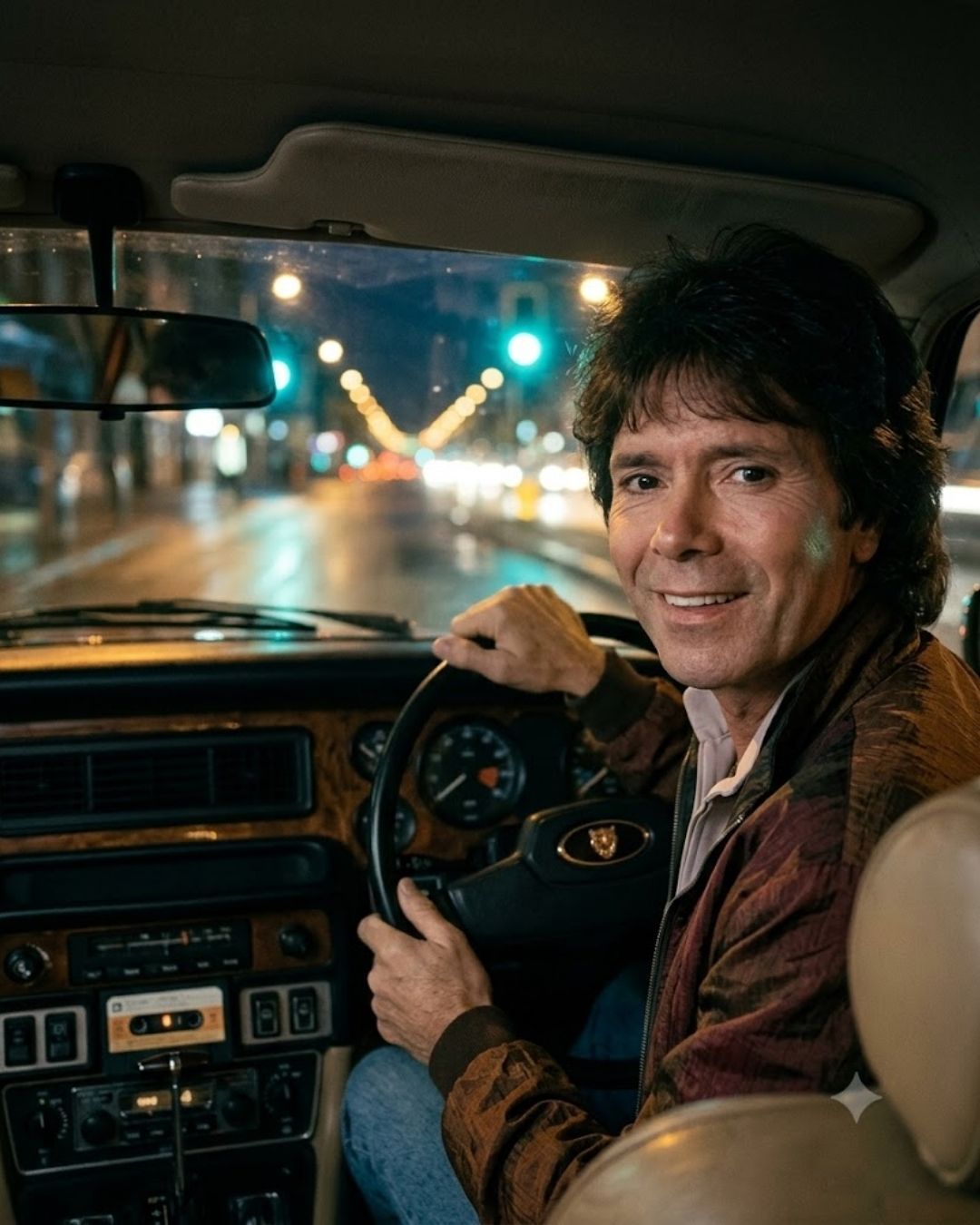
By the late 1970s, Cliff Richard stood at a crucial artistic crossroads in his celebrated recording career. While his 1976 smash hit “Devil Woman” proved he could command international airwaves with sharp, contemporary soft-rock sophistication, sustaining that commercial momentum required constant stylistic evolution. Enter Alan Tarney, an exceptionally talented bassist, arranger, and songwriter whose forward-looking musical instincts aligned seamlessly with Richard’s smooth yet dynamic vocal range. When Tarney presented the demo for the title track of the Green Light album, it offered a sleek, atmospheric fusion of driving pop-rock energy and nocturnal moodiness that immediately resonated with the British superstar.
Recorded at Abbey Road Studios in April 1978 under the expert guidance of producer Bruce Welch, the track showcased a dramatic leap toward polished, modern studio craftsmanship. Anchored by the tight, dry snare work of drummer Brian Bennett and Tarney’s propulsive bassline, the arrangement layered shimmering synth textures, chorused electric guitar riffs, and intricate vocal harmonies around Richard’s urgent delivery. Lyrically, the composition explores the obsessive state of an insomniac lover searching through the shadows for a glimmer of hope or emotional clearance. Richard interpreted the narrative with nuanced tension, effortlessly shifting between delicate longing and soaring vocal power across the song’s hypnotic, syncopated rhythm.
When issued as a standalone single in February 1979, the record navigated a crowded British musical landscape increasingly dominated by punk, new wave, and disco trends. Although it only climbed to number 57 on the UK Singles Chart, the track carried immense historical weight within Richard’s discography. It successfully broke a frustrating chart drought following several unranked releases and solidified a formidable creative partnership with Tarney. Just months later, that very same sonic architecture paved the way for the international chart-topping phenomenon “We Don’t Talk Anymore,” initiating one of the most prolific and commercially triumphant chapters of Richard’s entire career.
Despite being overshadowed by subsequent monster hits, the track retained a special place in the singer’s heart. Richard personally insisted on including the original recording as a bonus track on his 1994 compilation The Hit List, celebrating the song alongside his definitive number-one classics. Today, the cut stands as a compelling testament to late-seventies pop-rock excellence—a masterfully arranged, timeless bridge that guided a legendary sixties icon into the sleek production era of the 1980s with supreme confidence and enduring style.