Late night silence holds the deepest heartbreak. Cliff Richard captured that bitter sting in We Don’t Talk Anymore. Does this classic still bring back memories for you?
Introduction
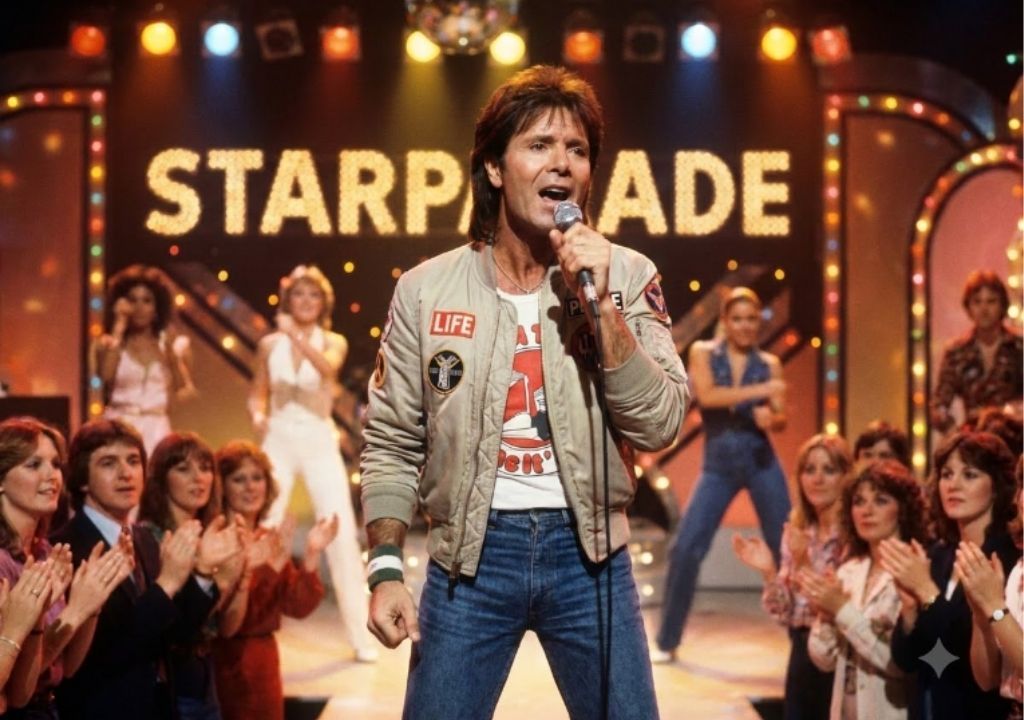
As the vibrant disco era met the shimmering dawn of 1980s pop, few musical moments captured the bittersweet elegance of modern romance quite like the late autumn of 1979. When Cliff Richard stepped onto the glamorous stage of the legendary German television show Starparade on October 11, 1979, audiences witnessed a veteran artist redefining his sonic identity with effortless grace. Written by Alan Tarney and crafted with meticulous studio finesse, “We Don’t Talk Anymore” became a monumental milestone in British pop history, topping charts across the globe and propelling Richard into his fourth consecutive decade of international stardom.
Beneath the infectious groove and polished melody lies a deeply poignant narrative of emotional estrangement. The song explores the quiet devastation that follows the dissolution of a romance—the jarring shock of turning from intimate confidants into complete strangers. There is a profound, universal truth embedded within its story: the lingering ache of unspoken words and the sudden emptiness of unanswered silence. Rather than drowning in heavy sorrow, the track pairs its melancholy lyricism with a buoyant rhythm, a pulsing bassline, and crisp acoustic guitar strumming. This brilliant contrast creates an irresistible bittersweet atmosphere, inviting listeners to sway with the beat even while feeling a gentle tug at the heartstrings.
During this televised Starparade performance, Cliff Richard delivered a masterclass in stage presence and vocal poise. His tone glides seamlessly through the verses before soaring into an urgent, emotionally charged chorus filled with genuine vulnerability. Every inflection captures the bewilderment of watching a former lover move on into someone else’s embrace. The appearance serves as a vivid time capsule of European entertainment at its peak, characterized by warm theatrical lighting, elegant staging, and a consummate performer who understood precisely how to communicate directly through the lens of a camera.
“We Don’t Talk Anymore” remains a benchmark of late-seventies pop craftsmanship, gracefully connecting the golden age of classic melodic songwriting with the emerging electronic sensibilities that would soon dominate the coming decade. Decades later, the track continues to resonate across generations as a soundtrack for late-night drives, quiet reflections, and fond memories. It stands as an enduring testament to pop music’s unique power to transform raw, personal heartbreak into a universal melody that never loses its charm.