INTRODUCTION
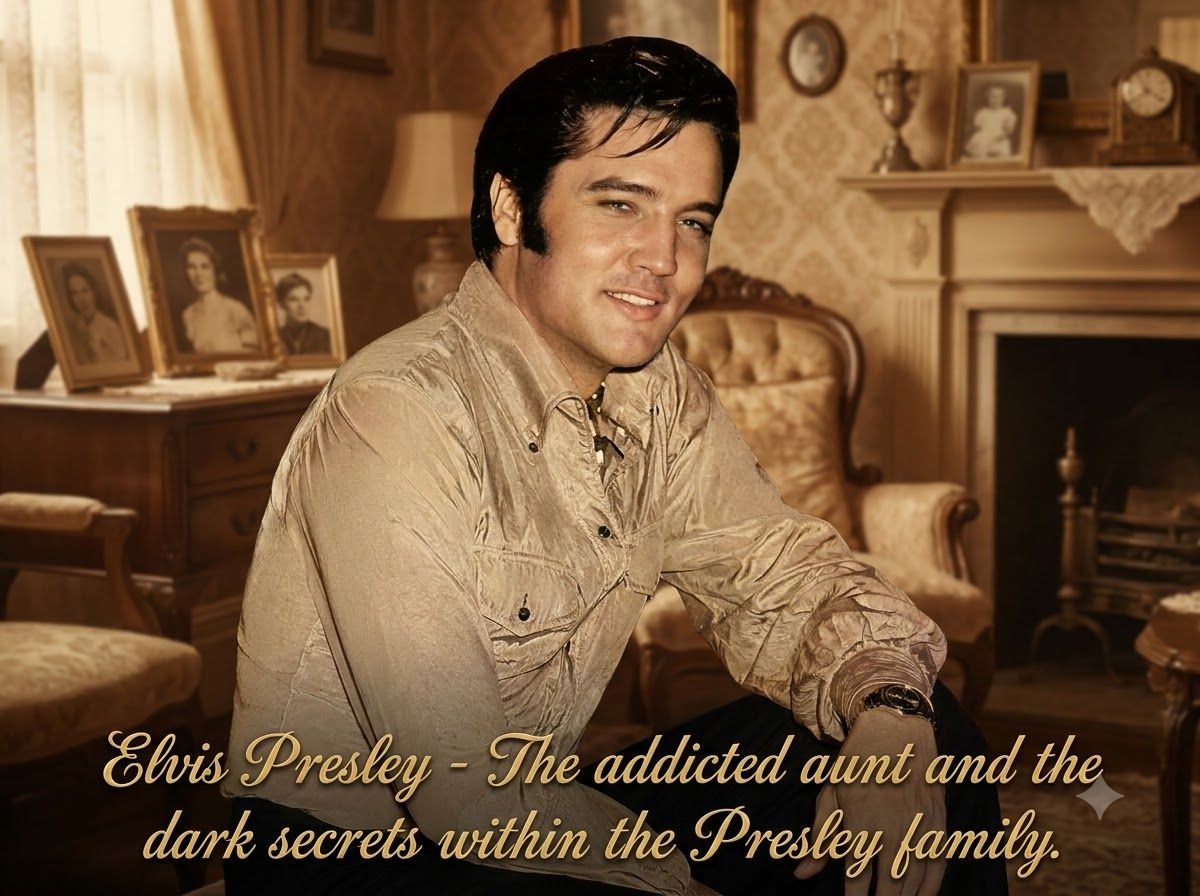
On a humid afternoon in 1966, a modest station wagon pulled through the iron gates of 3764 Elvis Presley Boulevard in Memphis, Tennessee. Inside sat Delta Mae Presley Biggs, recently widowed and battling severe chronic alcoholism that had consumed her personal life. Rather than insulating his fortune from the harsh realities of his extended family’s struggles, Elvis Presley greeted his aunt with open arms, moving her directly into Graceland’s master estate. For decades, music media focused exclusively on the glitz, silver screen contracts, and sold-out arena tours of the King of Rock ‘n’ Roll. Yet behind the velvet curtains, the iconic musician navigated a complex web of familial dependency, poverty, and substance abuse among his closest relatives. How did the world’s greatest entertainer balance staggering global fame with an unyielding commitment to protect his most vulnerable kin?
THE DETAILED STORY
The story of the Presley family was born in the intense poverty of Tupelo, Mississippi, during the Great Depression. When Elvis Presley exploded into global consciousness following his 1956 breakout, he inherited not merely unimaginable wealth, but the heavy responsibility of an extended clan accustomed to systemic hardship. While public attention fixated on his extraordinary record sales and Hollywood box-office triumphs, his home life remained deeply tethered to relatives grappling with unemployment, ill health, and severe substance dependencies.
Central to this quiet narrative was his paternal aunt, Delta Biggs. Following the untimely death of her husband in 1966, Aunt Delta struggled with debilitating alcohol addiction and emotional distress. Where modern celebrity management often counsels total detachment from troubled relatives to protect public relations, Elvis chose unwavering loyalty. He provided Aunt Delta with permanent living quarters, hired personal assistance, and ensured she was fully integrated into daily life at Graceland. Industry archives and accounts from publications such as Variety and Billboard document that Elvis consistently defended her presence, instructing staff that family members were never to be discarded regardless of their personal battles.
This ethos extended throughout the Presley family lineage. Elvis routinely put uncles, cousins, and distant relatives on his payroll as groundskeepers, security personnel, and tour aides, creating an economic shelter for those who lacked formal opportunities. Even when substance issues or erratic behavior caused friction within his inner circle, he maintained unconditional financial and emotional stewardship until his untimely passing on 08/16/1977.
Aunt Delta remained at Graceland long after Elvis passed away, living under the care of the estate until her death in 1993. His quiet resolve to harbor his family through their darkest personal struggles reveals an essential truth about his legacy: beneath the legendary jumpsuit and stage lights existed a deeply empathetic provider whose devotion to his roots never faltered.