INTRODUCTION
On March 19, 1957, a twenty-two-year-old superstar finalized a $102,500 purchase for a grand limestone mansion in Memphis, Tennessee, known as Graceland. While the acquisition marked an extraordinary milestone in modern entertainment history, the true domestic architecture inside the estate reflected a far more intricate personal reality. Rather than hiring seasoned corporate executives to run his expanding business enterprise, the young performer placed his entire domestic economy into the hands of his father, a quiet man who had struggled with financial stability throughout the Great Depression. As the singer’s earnings soared into millions of dollars, the traditional paternal authority shifted into an unusual professional dependency, creating a unique bond where family duty merged with financial administration. How did this delicate balance between filial obligation and financial dependence shape the private world of music’s ultimate performer?
THE DETAILED STORY
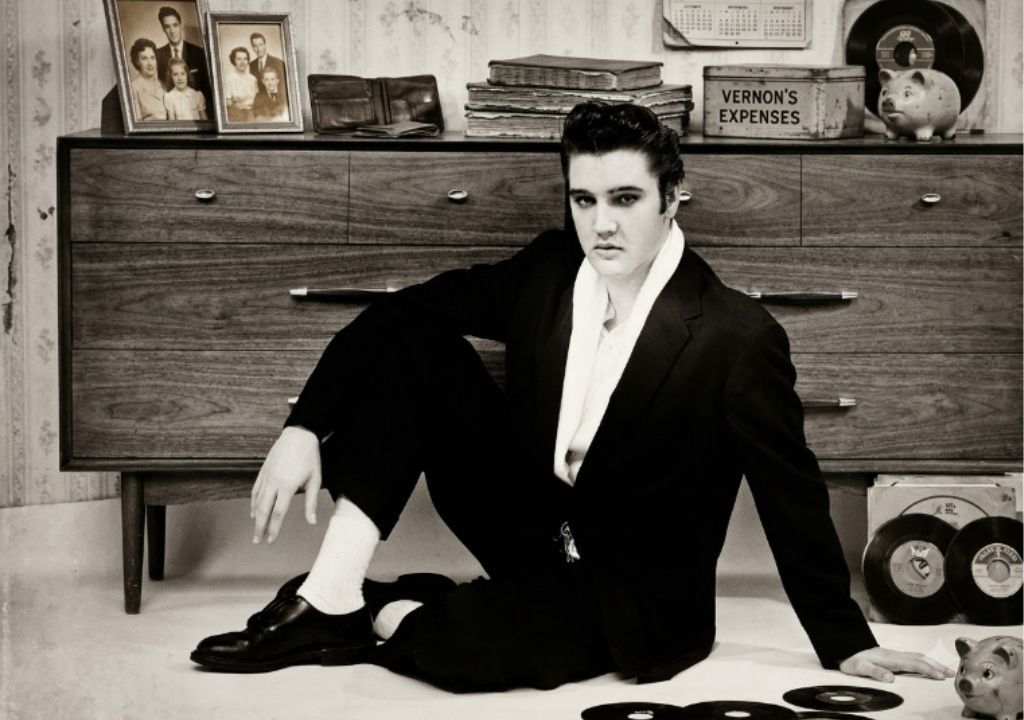
The economic arc of the Presley household underwent a permanent transformation following the release of “Heartbreak Hotel” in early 1956. Raised in extreme poverty in Tupelo, Mississippi, the young artist retained an enduring protective instinct toward his parents, Vernon and Gladys Presley. Following his mother’s passing in August 1958, Elvis Presley appointed his father as the official administrator of estate affairs, granting him full authority over daily disbursements, payroll, and personal logistics. Vernon relocated permanently to an office at Graceland, where he oversaw employee salaries, personal property maintenance, and routine household expenditures.
While industry observers often characterized Vernon’s role as passive, his management reflected an unwavering loyalty to protecting his son’s private interests. Operating from a modest office behind the main residence, Vernon scrutinized monthly invoices, managed staff contracts, and acted as a buffer against external commercial pressures. Although he possessed no formal corporate accounting training, his meticulous oversight ensured that the estate remained operational amidst unprecedented global fame. His financial security remained entirely linked to his son’s commercial output, yet this dependency was grounded in mutual devotion rather than exploitation.
Throughout the 1960s and 1970s, as performance contracts with RCA Victor generated millions in revenue, Vernon maintained a constant presence during major career milestones. When the artist recorded his acclaimed television special on 12/03/1968, Vernon sat in the audience, offering quiet grounding amidst intense public scrutiny. Following his son’s tragic passing on 08/16/1977 at 03:30 PM ET, Vernon executed full administrative duty as executor, safeguarding the estate’s financial assets for future generations until his own passing on 06/26/1979.
This complex partnership demonstrated that behind one of history’s most celebrated cultural legacies lay a deeply human arrangement. By integrating his father directly into his financial ecosystem, the legendary performer provided lifelong security for his family, ensuring that personal trust remained the cornerstone of his global empire.