INTRODUCTION
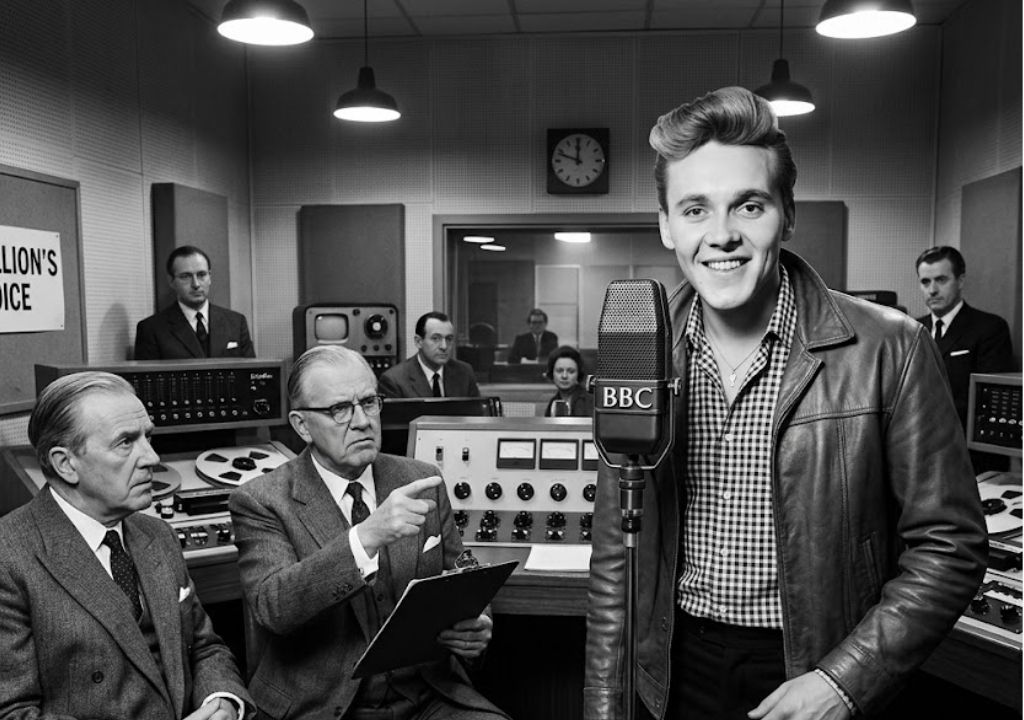
Inside the polished corridors of Broadcasting House in 1960, senior executives reviewed television camera angles with unprecedented scrutiny. On screen stood a brooding young musician from Liverpool whose rhythmic hip movements and magnetic stage presence sent shockwaves through Britain’s conservative media establishment. While teenagers cheered with unbridled passion, BBC programmers viewed his sensual performance style as a direct threat to public decorum. Administrators sought to sanitize his image, instructing floor directors to pull cameras back and dampen the raw energy of early British rock ’n’ roll. Yet behind this institutional friction lay a pivotal moment in modern pop culture—a clash between generational tradition and the unstoppable force of youth identity. What allowed this quiet, working-class singer to break through executive resistance and permanently redefine the boundaries of broadcast entertainment?
THE DETAILED STORY
During the late 1950s and early 1960s, the British Broadcasting Corporation operated as the supreme gatekeeper of popular taste across the United Kingdom. Its programming committees maintained strict standards regarding lyrical propriety, vocal delivery, and physical presentation on state airwaves. When young Ronald Wycherley adopted the stage moniker Billy Fury, his sudden arrival disrupted this carefully curated broadcast environment. Influenced by American rockabilly pioneers, his raw vocal phrasing and suggestive choreography immediately alarmed traditionalist TV producers. During early television broadcasts, network directors received explicit directives to adjust camera framing, avoiding close-up shots that captured his provocative stage movements.
Despite these broadcast restrictions, public demand for his recorded sound proved impossible to suppress. Groundbreaking releases like his seminal 1960 album The Sound of Fury demonstrated an authentic rock ’n’ roll sensibility that rivaled transatlantic imports. Recognizing his undeniable commercial power, BBC radio producers faced a strategic dilemma: exclude Britain’s premier rock talent or adapt to an evolving youth audience. Programmers ultimately compromised by featuring him regularly on flagship radio showcases like Saturday Club, provided his live studio performances maintained agreed-upon decorum.
Rather than dimming his appeal, this ongoing friction elevated his status among a new generation of music fans. Billy Fury redefined British rock popularity by proving that authentic performance could triumph over conservative institutional gatekeeping. His unprecedented success forced mainstream broadcast executives to re-evaluate their restrictive policies, gradually opening the airwaves to a rising wave of British beat groups who would dominate global charts later in the decade. By balancing raw vulnerability with extraordinary musical craft, he compelled the British media establishment to treat youth culture as an enduring artistic movement.
Media historians note that his resilience marked a decisive turning point in modern entertainment history. The ongoing dynamic between his genuine stagecraft and the network’s traditionalism accelerated the inevitable modernization of public broadcasting standards across the nation. His legacy remains a masterclass in how individual artistic vision can reshape entrenched cultural institutions.