Introduction
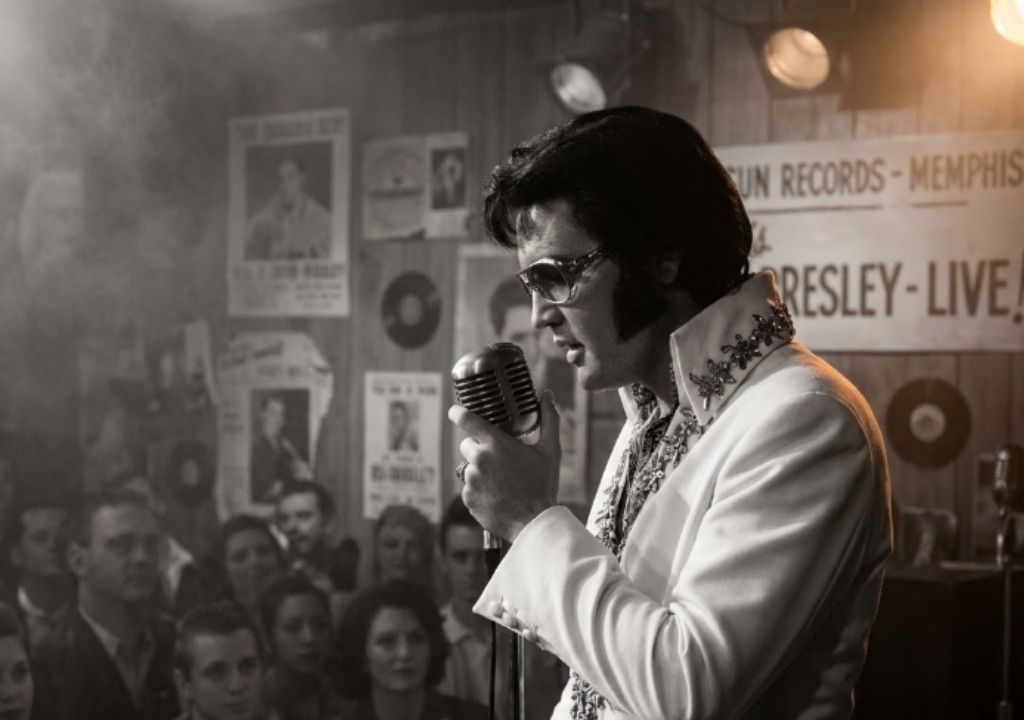
There is a breathtaking, unrestrained magic that resides in the historic recordings captured inside Sam Phillips’ legendary Sun Studio at 706 Union Avenue in Memphis, Tennessee. In September 1954, a nineteen-year-old former truck driver named Elvis Presley stepped back in front of the microphone alongside guitarist Scotty Moore and double bassist Bill Black. Fresh from the local wave caused by “That’s All Right” and “Blue Moon of Kentucky,” the trio was busy forging a brand-new musical universe. Among the gems recorded during those transformative sessions was “I Don’t Care If the Sun Don’t Shine”—a track that captured the pure, unadulterated joy of young love with an infectious rockabilly beat that still echoes across generations.
Originally written in 1949 by Mack David for the Disney animated feature Cinderella—though ultimately dropped from the final film—the song first gained popularity in 1950 as a polished, big-band pop ballad recorded by Patti Page and later Dean Martin. Yet, when Elvis picked up his Martin acoustic guitar, he completely dismantled the smooth pop formula of the era. Stripping away the lush brass and woodwinds, Elvis, Scotty, and Bill transformed a mild-mannered pop tune into an exhilarating, high-energy rockabilly showcase. It was a masterclass in musical metamorphosis, demonstrating Elvis’s innate genius for taking established popular songs and infusing them with the raw, rhythmic pulse of rural Southern rhythm and blues.
Musically, “I Don’t Care If the Sun Don’t Shine” is an absolute delight of mid-century studio craftsmanship. Driven by Bill Black’s percussive slap-bass technique and Scotty Moore’s crisp, country-blues guitar fills, the track bounces forward with an effortless, swinging momentum. Without even needing a traditional drum kit, the trio generated a driving rhythm section that felt impossibly full and alive. Sam Phillips applied his signature “slapback tape echo” effect, bathing the entire performance in a warm, reverberating glow that feels like a midnight dance inside a rustic county barn. Over top of this kinetic sonic canvas, Elvis delivers a vocal performance brimming with charm, playful vocal hiccups, and a confident, smiling swagger that is instantly recognizable.
Thematically, the song serves as an eternal testament to the sweet, intoxicating power of romantic devotion. It tells the story of a lover so utterly enchanted by the warmth of their sweetheart’s embrace that the daytime sun becomes completely irrelevant. When you are wrapped in the arms of the one you love, moonlight is more than enough to light up the world. It captures that universal, youthful feeling where time stands still, worries melt away, and the simple magic of holding hands under a starry night sky feels like the only thing that truly matters.
More than seven decades after those historic analog tapes spun in Memphis, “I Don’t Care If the Sun Don’t Shine” retains its timeless, glowing charm. Listening to it today on a spinning vinyl record or through a warm tube amplifier instantly transports us back to a gentler era—a mid-1950s landscape of neon-lit drive-in diners, glowing jukeboxes in quiet soda fountains, and classic automobiles cruising down two-lane country roads under a canopy of stars. It stands as a vibrant monument to the dawn of rock ‘n’ roll, reminding us of a time when music was pure, joyful, and powered by nothing more than three young men making magic together in a small Southern studio.