Introduction
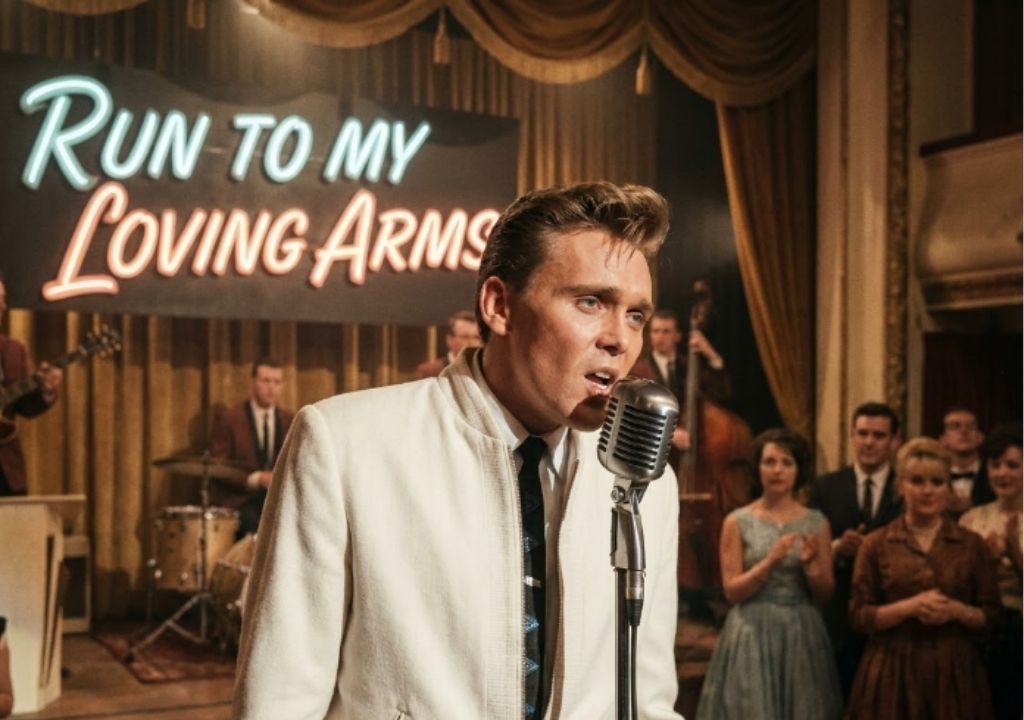
There is an extraordinary power in a song that reaches out through the fog of solitude to pull a lonely heart back into the warmth of safety. Released in 1965, “Run To My Loving Arms” remains one of the most magnificent, dramatically rich treasures in the vast discography of British music legend Billy Fury. Written by the legendary songwriting partnership of Gerry Goffin and Carole King, the song carries the undeniable emotional signature of the Brill Building era—a timeless craftsmanship where soaring melodies met profound, honest heartbreak. Yet, when placed into the capable hands of Billy Fury and producer Ivor Raymonde, it became something elevated: a grandeur-filled sanctuary built entirely out of sound.
By the mid-1960s, the British pop landscape was rapidly changing with the explosive rise of self-contained beat bands and electrifying rock groups. Yet Billy Fury stood as a colossal figure who effortlessly maintained his artistic integrity, transitioning from the fiery, Elvis-inspired rockabilly of his early career into an unmatchable master of grand orchestral pop ballads. In “Run To My Loving Arms,” Fury’s performance reaches an astonishing peak of theatrical vulnerability. His voice begins with a hushed, gentle intimacy, pleading softly as if speaking directly to a troubled soul standing on the brink of despair. As the majestic arrangement builds around him, his vocal delivery rises with breathtaking intensity, swelling into a passionate cry of unwavering protection and unconditional love.
The sonic production of the track is a masterclass in mid-century British recording arts. Sweeping string sections soar like rising tides, punctuated by dramatic brass accents and a steady, pounding rhythm section that mimics the frantic beating of a desperate heart. The acoustic space in the recording allows every instrument to resonate with warm, organic depth, capturing the golden atmosphere of vintage analog tape. Listening to it today transports you straight back to a night-drenched street in 1960s London, where fluorescent neon lights reflect off rain-slicked pavement and warm music spills out through the heavy wooden doors of a neighborhood pub.
Beyond its magnificent sonic layers, “Run To My Loving Arms” speaks to a fundamental human desire: the yearning for a safe harbor amidst life’s relentless storms. Fury does not sing from a place of selfish pride; he sings as a beacon in the night, offering his arms as a shelter where pain can be forgotten and weary spirits can finally rest. It is a song that honors the healing power of love, reminding us that no matter how dark the surrounding shadows become, there is always a place where we are cherished and held close.
Decades after its first release, “Run To My Loving Arms” continues to shine as an untouchable classic of 1960s balladry. For those who grew up playing vinyl records under soft lamplight, it evokes a flood of deeply cherished memories—of slow dances, heartfelt promises, and the unforgettable magic of a true musical icon pouring his entire soul into every single note.