INTRODUCTION
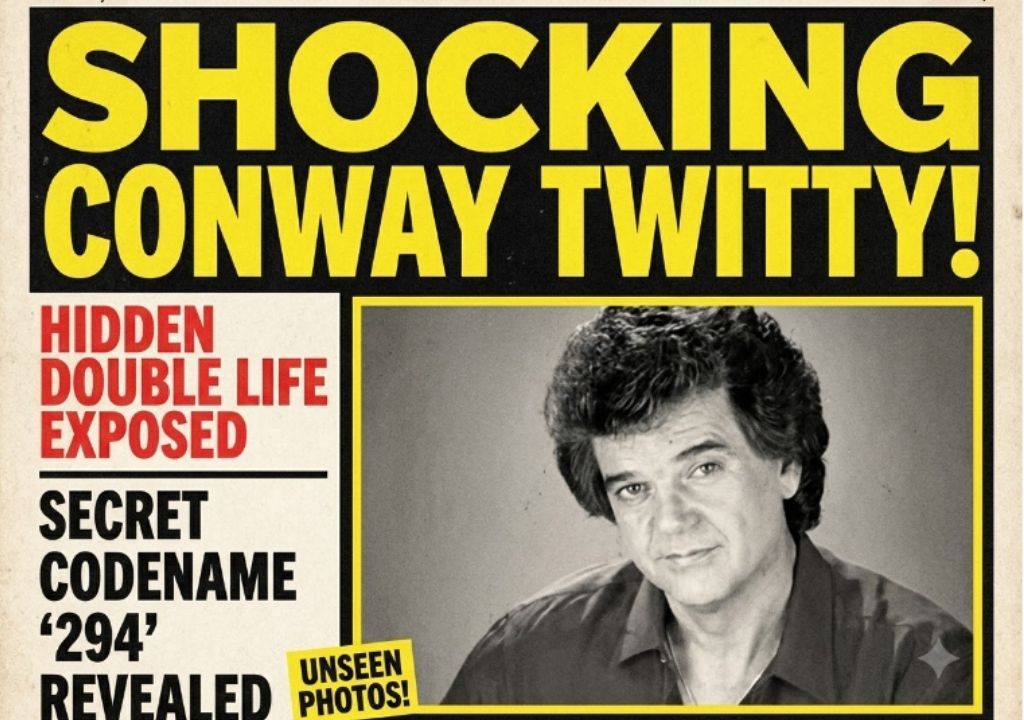
On a brisk evening in 1965, a thirty-two-year-old rockabilly singer walked off a crowded stage in New Jersey, set down his electric guitar, and made a decision that baffled the music establishment. Known to millions of screaming teenagers across the globe as a chart-topping pop heartthrob, the artist born Harold Lloyd Jenkins had reached a profound crossroads. Behind the polished pompadour and rapid radio success of his million-selling single “It’s Only Make Believe,” he recognized a deep disconnect between the commercial demands of teenage rock-and-roll and his artistic soul. Choosing authenticity over comfortable stardom, Conway Twitty abandoned the rock circuit entirely to pursue the traditional honky-tonk sound of Nashville. Nashville executives openly questioned whether a former teen idol could ever win over traditional country purists. How did this daring gamble transform a rockabilly star into an unmatched icon of country music history?
THE DETAILED STORY
When legendary producer Owen Bradley signed the Mississippi native to Decca Records in late 1965, country radio disc jockeys responded with intense skepticism. The music industry viewed pop crossovers with suspicion, doubting whether an artist who once opened for rock acts could deliver the emotional depth required for country storytelling. Yet, his transition was driven by unyielding artistic integrity rather than commercial calculation. He spent countless hours refining a rich baritone delivery, mastering subtle emotional nuances that resonated deeply with adult listeners.
The breakthrough came in 1968 when “The Image of Me” cracked the top ten on the Billboard Hot Country Singles chart, proving that his artistic pivot was no fleeting gimmick. Months later, his single “Next in Line” secured his first solo country chart-topper, launching an unprecedented era of chart dominance. Over the next two decades, the singer achieved an extraordinary milestone, securing 40 Billboard country singles, a staggering record that stood unchallenged for over twenty years until the modern era.
His success lay in an incredible ability to capture the complex emotional realities of working-class life. Hits like “Hello Darlin'” and “You’ve Never Been This Far Before” showcased a performer who understood his audience’s heartaches and aspirations. Beyond his solo career, his iconic duet partnership with Loretta Lynn produced timeless classics like “After the Fire Is Gone,” winning critical acclaim and a Grammy Award.
As an astute businessman, he expanded his influence beyond radio, constructing the multi-million-dollar Twitty City entertainment complex near Nashville in 1982 while investing in local sports franchises and publishing catalog rights. Dubbed the “High Priest of Country Music,” he commanded arena stages with understated elegance, relying purely on vocal mastery rather than elaborate theatrical gimmicks. By the time of his untimely passing in June 1993, his artistic legacy extended far beyond numerical records. He proved that true artistry requires the courage to walk away from comfortable success in pursuit of genuine creative purpose.