INTRODUCTION
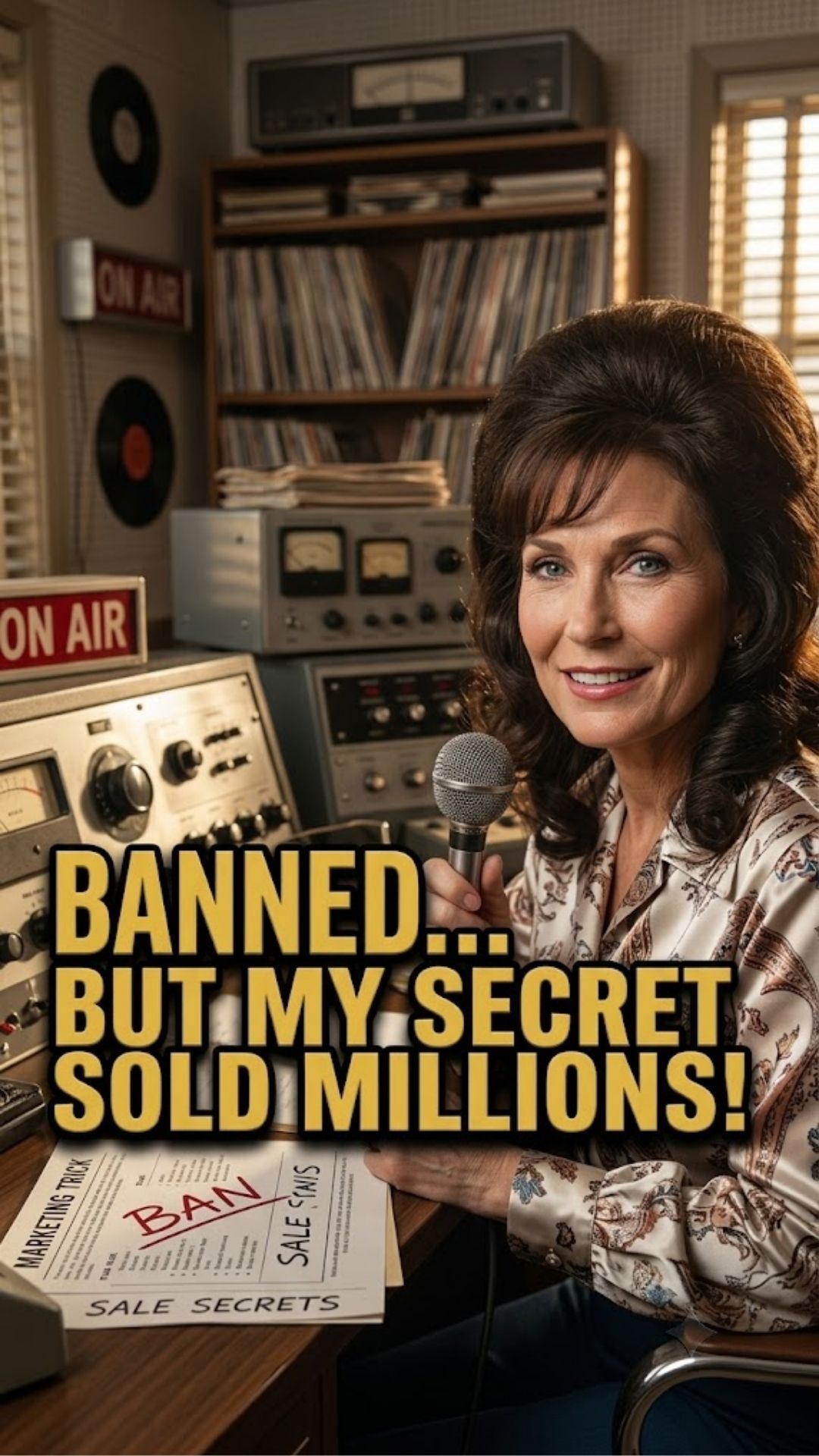
In early 1975, country music station programmers across the United States quietly pulled a single from their playlists, declaring its subject matter too provocative for morning airwaves. Yet instead of vanishing, orders for the 45 rpm vinyl flooded distribution warehouses at an overwhelming pace. How did an intentional media blackout unleash one of the most brilliant marketing triumphs in music history?
THE DETAILED STORY
During the golden era of Nashville’s music establishment, country radio stations wielded near-absolute authority over an artist’s commercial trajectory. Program directors operated as vigilant cultural gatekeepers, adhering strictly to conservative broadcast guidelines. Yet Loretta Lynn consistently challenged this rigid ecosystem by writing courageous, unflinching songs that addressed the real, everyday experiences of American women. When pioneering tracks such as “Rated ‘X'” and “The Pill” arrived at station desks, station managers across the country responded by issuing immediate broadcast blackouts, fearing public pushback from conservative listeners.
Executives at MCA Records initially viewed these mounting radio bans with deep concern, fearing that radio silence would severely damage album promotion and retail distribution. However, record sales witnesses and regional sales managers soon documented a remarkable counter-reaction among consumers. Far from suppressing public interest, the institutional censorship created an immediate, powerful demand. Retail record store owners throughout the nation began phoning regional distributors with urgent reports of unprecedented foot traffic, as thousands of eager fans visited shops specifically requesting the physical 45 rpm vinyl records they could not hear on their local radio dials.
Rather than shrinking from the controversy, Lynn managed the broadcast pushback with exceptional poise and media sophistication. She used major national television appearances, including high-profile interviews on late-night talk shows, to discuss the themes of her music with unvarnished honesty and charm. By directly engaging the public and framing the censorship as an issue of female expression, she converted radio silence into a national conversation. Fans responded by turning every banned record into an act of personal solidarity, marching to local record stores to buy the singles outright.
The empirical results confirmed the success of her fearless approach. “The Pill” rapidly ascended into the Top 10 of the Billboard Hot Country Singles chart, becoming one of her most lucrative and enduring commercial successes despite widespread radio refusal. Throughout her legendary career, more than fourteen of her singles faced airplay bans or severe restrictions. Yet each attempt at suppression only served to solidify her commercial momentum and cement her status as an authentic voice of her generation. Historical accounts from label insiders confirm that her triumph fundamentally altered industry perceptions, proving that genuine audience connection easily triumphs over corporate gatekeeping.