INTRODUCTION
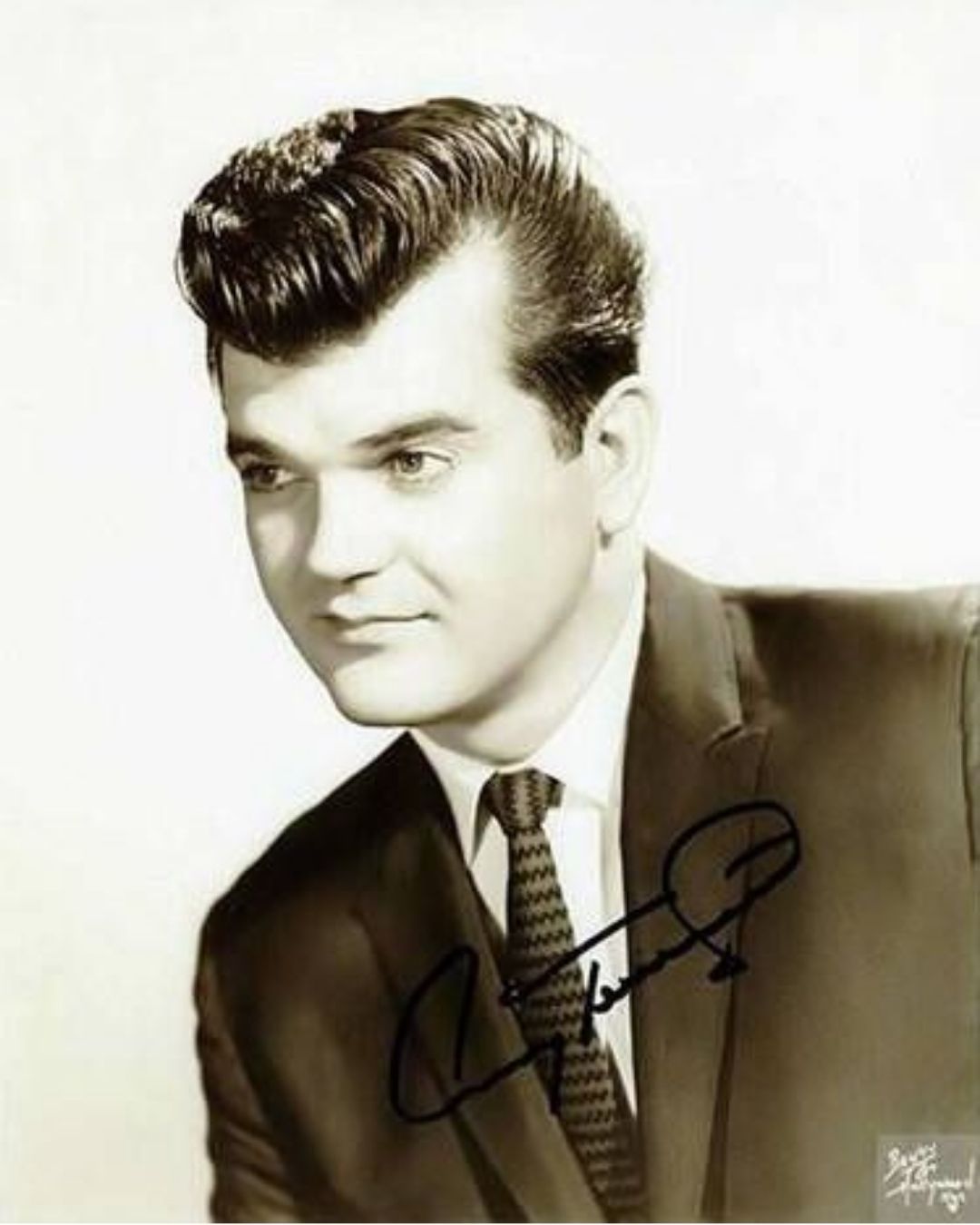
In the late 1950s, a young man sat staring at a standard road map of the United States, paralyzed by the prospect of financial and creative oblivion. To the citizens of Mississippi, he was Harold Lloyd Jenkins, a talented singer-songwriter with immense potential but lingering self-doubt. The mid-century entertainment industry was unforgiving, and Jenkins knew that launching a career under his birth name carried an unbearable risk: if he failed, the name of Jenkins would be permanently tarnished in the eyes of his peers and family. He needed a psychological shield, an alter ego that could absorb the blows of an unpredictable industry without destroying his core sense of self. Staring intently at the intersecting highways on the paper before him, his eyes scanned two tiny, unremarkable geographic points. Could a simple change of geography on a map truly insulate a vulnerable artist from the devastating sting of public defeat?
THE DETAILED STORY
The solution to his paralyzing dread lay at the obscure intersection of rural geography and pure anonymity. As Jenkins traced his anxious finger across a standard road map, it stopped first on Conway, a quiet municipality nestled in Arkansas, and then drifted toward Twitty, a tiny speck of a town located in Texas. By fusing these two forgotten outposts together, he constructed a definitive professional firewall. If this new artistic entity failed on stage, Harold Jenkins could quietly retreat back to a quiet, normal life, his real identity completely unscathed by the brutal judgment of the music industry. This tactical division of self allowed him to perform with an uninhibited, raw urgency that his real identity had previously suppressed.
The transition was not merely cosmetic; it was a profound act of self-preservation that unlocked his latent musical genius. Operating under this carefully engineered pseudonym, the newly christened performer signed a contract with MGM Records. The psychological gamble paid off spectacularly when his emotional ballad, It’s Only Make Believe, completely shattered expectations. By 11/10/1958, the haunting track secured a historic number-one hit on the revered Billboard Hot 100 chart, launching a multi-decade trajectory that would permanently redefine the landscape of American country and rockabilly music.
What began as a desperate flight from failure transformed into an absolute masterclass in commercial branding. The industry executives who initially questioned the bizarre moniker were entirely silenced by the sheer economic and cultural velocity of his historic success. The intense fear that once threatened to silence his voice forever became the very catalyst for an indomitable stage presence. By separating his human vulnerabilities from his public persona, he proved that a calculated reinvention could turn paralyzing anxiety into an iconic musical legacy, ensuring that the name born from two obscure towns would be celebrated globally for generations to come.