Introduction
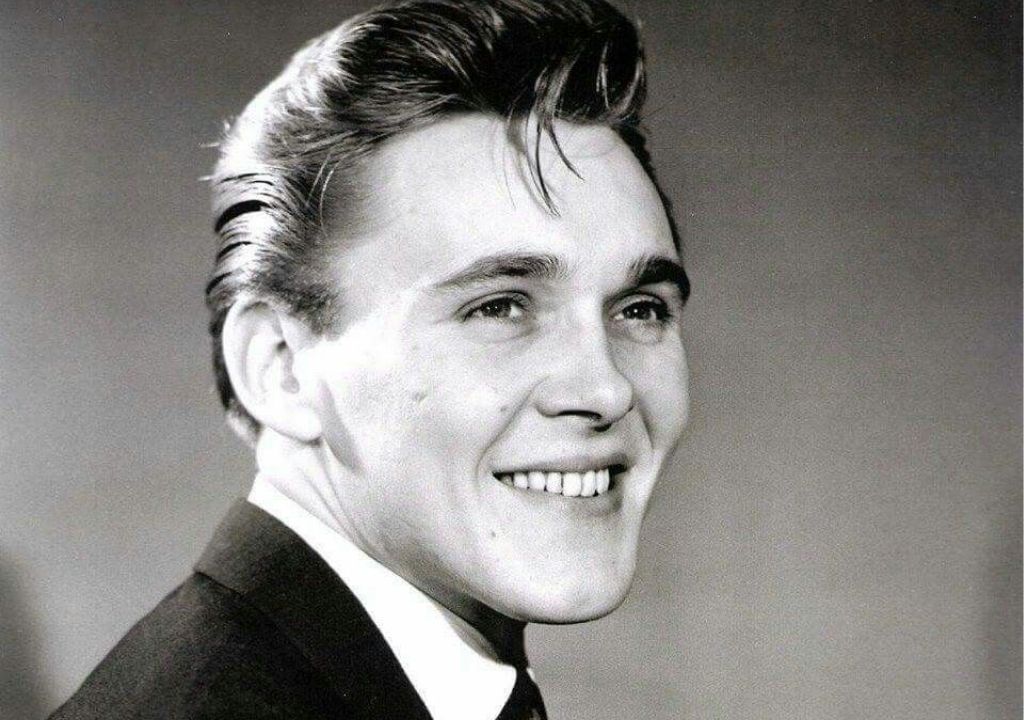
There is a timeless, fragile quality to the early British rock and roll era that often gets overshadowed by the roaring, rebellious energy of its American counterparts. While across the Atlantic, artists were injecting untamed adrenaline into the youth culture, a young man from Liverpool named Ronald Wycherley—eternally known to the world as Billy Fury—was busy capturing the profound, quiet agony of the teenage soul. Emerging in the late 1950s under the shrewd guidance of impresario Jack Good, Fury possessed a striking, cinematic presence that blended the smoldering moodiness of James Dean with a hauntingly tender vocal style. He didn’t just sing songs; he lived inside their melancholic architectures. Among his early treasures, the 1960 gem “Baby How I Cried”—originally tucked away as the evocative B-side to his top-ten hit “Colette”—stands as a definitive masterpiece of early British rockabilly and plaintive balladry, radiating a raw, unvarnished emotional depth that continues to stir the senses decades later.
To drop the needle on “Baby How I Cried” is to pull back the velvet curtain on a rain-swept London night in the winter of 1960. The track bypasses any grand, bombastic introductions, plunging the listener directly into an atmospheric, mid-century slow-dance rhythm that feels as deliberate and heavy as a heartbeat consumed by grief. Written by Fury himself, the song showcases his exceptional, often underappreciated talent as a songwriter who could distill complex romantic devastation into simple, devastatingly pure arrangements. The minimalist instrumentation—anchored by a weeping, rhythmic guitar line and wrapped in the close, ethereal vocal harmonies provided by the legendary Vernons Girls—creates an intimate, dimly lit space where sorrow is allowed to breathe. The backing vocals, featuring the haunting presence of Ann O’Brien, drift through the background like ghostly echoes of a lost love, perfectly cushioning the stark isolation of Fury’s lead performance.
What truly elevates “Baby How I Cried” into the pantheon of classic tearjerkers is Billy Fury’s extraordinary vocal execution. Channeling the wounded, trembling vulnerability of his idol Gene Vincent, Fury delivers the lyrics not with the polished theatricality of a traditional pop crooner, but with the desperate, choked-back tears of someone standing on the precipice of absolute ruin. His voice cracks and wavers under the sheer weight of the narrative, infusing each syllable with an authentic, lived-in pain that feels almost too intimate for a commercial recording. When he laments the tears he shed after a final parting, it is impossible not to feel the physical ache of his sorrow. This profound emotional authenticity was deeply tied to Fury’s own reality; having suffered from severe rheumatic fever as a child, he lived with a fragile heart and an acute awareness of mortality that inevitably seeped into the fabric of his music. In an era that frequently relied on superficial pop formulas, Billy Fury chose to anchor “Baby How I Cried” in genuine human tragedy, creating a timeless musical sanctuary for anyone who has ever had to face the quiet, devastating hours of the night alone with their memories.