Introduction
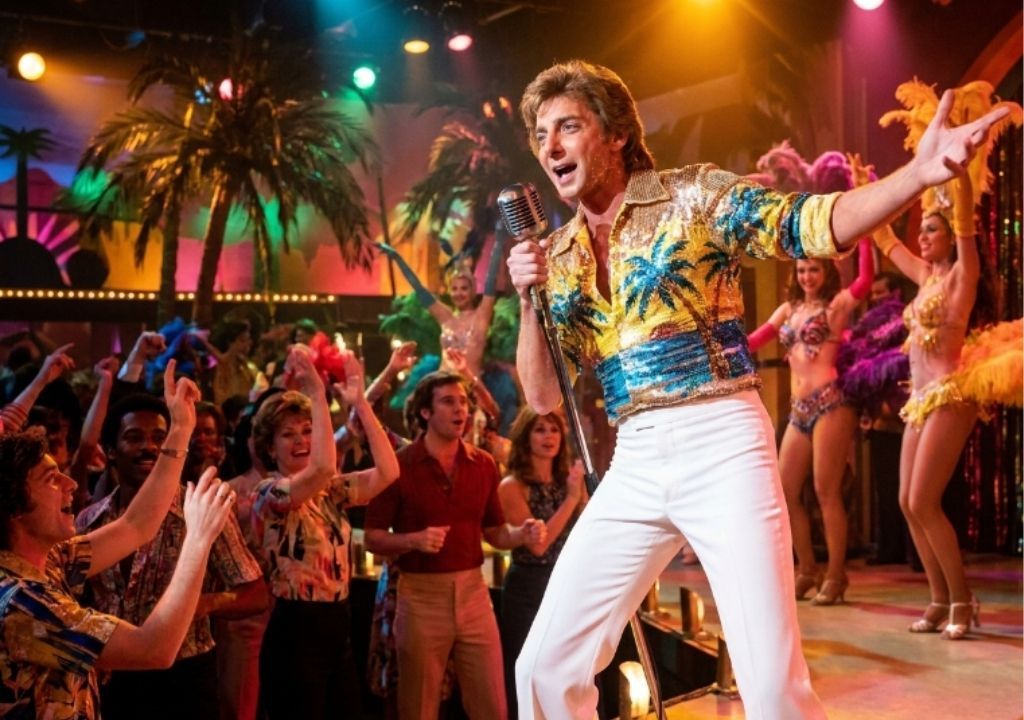
There are songs that simply play in the background, and then there are masterworks that instantly fling open the heavy velvet curtains of a bygone era, plunging you headfirst into a cinematic dreamscape of sequins, feather boas, and cocktail glasses clinking in the dimming light. Released in the golden autumn of 1978, Barry Manilow’s timeless masterpiece is far more than a glittering disco track; it is a mini-movie, a sweeping theatrical tragedy told through the relentless, pulsating heartbeat of a four-on-the-floor rhythm. From the very first cinematic sound effect—the crisp jingle of a tambourine and the evocative patter of footsteps entering a crowded, smoky lounge—the listener is transported to the most famous fictional nightclub in pop history, a place where the champagne flowed and the music never stopped.
The genesis of this iconic track reads like Hollywood lore. During a visit to New York’s legendary Copacabana club, Barry Manilow and his co-writers, Jack Feldman and Bruce Sussman, envisioned a narrative song that would capture the intoxicating glamour and ultimate heartbreak of the 1940s nightclub scene. The result was a brilliant juxtaposition: an irresistibly catchy, high-energy disco arrangement housing a deeply melancholic story of lost love, ambition, and tragedy. It tells the tale of Lola, a showgirl with yellow feathers in her hair and a heart full of dreams, and Tony, the handsome bartender who loved her. Their vibrant world comes crashing down in a flash of sudden violence, leaving Lola alone decades later, trapped in her glittering memories as she relives the music of her youth. It is this profound emotional contrast—the upbeat, joyful tempo masking a narrative of profound sorrow—that elevates the song from a standard dance floor anthem to an enduring piece of musical theater.
Vocally, Barry Manilow delivers a masterclass in dramatic storytelling. His performance is grand, theatrical, and dripping with passion, perfectly matching the sweeping string arrangements and vibrant horns that define the production. He doesn’t just sing the lyrics; he narrates them with the urgency of a playwright, pulling the audience into the center of the drama with every soaring note. When the rhythm accelerates and the chorus swells, it is physically impossible not to get swept up in the momentum. It embodies the absolute peak of late-seventies pop culture, a time when music was an extravagant escape, a dazzling spectacle of light and sound designed to make people forget their troubles, even if only for a few transcendent minutes under the disco ball.
Decades after its release, Copacabana (At the Copa) remains an untouchable classic, a brilliant testament to the power of pure, unbridled imagination fused with exceptional musicianship. It continues to cast its spell over new generations of listeners, inviting us all to step back inside that mythical club, feel the intoxicating rhythm of the drums, and remember the ephemeral beauty of youth and romance. It stands forever as a glittering monument to an era when pop music dared to be grand, theatrical, and magnificently larger than life.