Introduction
Music has an extraordinary capacity to act as a time machine, anchoring us to specific moments of our lives with a clarity that words alone can rarely match. When we listen to the tapestry of twentieth-century pop culture, few tracks capture the intersection of earnest pop nostalgia and brilliant cultural subversion quite like the 1986 rendition of “Living Doll” by Sir Cliff Richard and the chaotic cast of the seminal sitcom, The Young Ones. To understand the magic of this particular recording, one must step back into the shifting landscapes of the British entertainment industry, where the old guard of traditional rock and roll beautifully collided with the rebellious, anarchic spirit of alternative comedy.
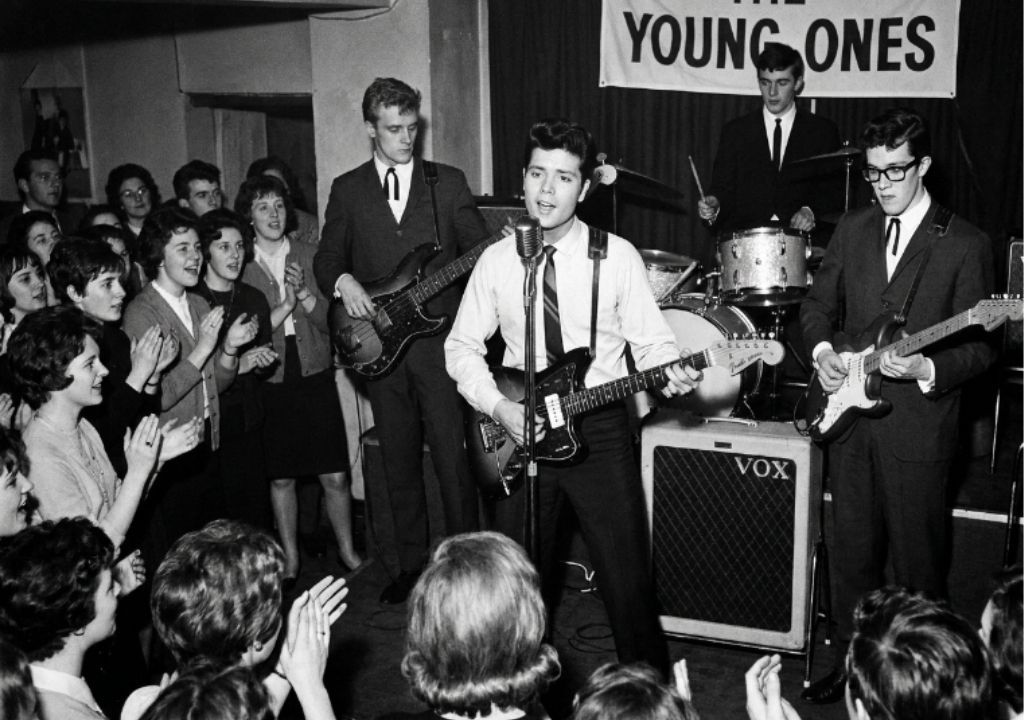
Originally released in 1959, the primal version of “Living Doll”—penned by the legendary Lionel Bart—was a seminal milestone for a young Cliff Richard and his backing band, The Shadows. It was light, melodic, and possessed a gentle acoustic swagger that defined the innocence of late-fifties British pop. It helped cement Cliff as the premier teen idol of his generation, a clean-cut counterpart to the raw energy crossing the Atlantic from America. For decades, that song stood as a testament to a bygone era of romance and simple arrangements.
However, by the time the mid-1980s arrived, the cultural landscape had undergone a seismic transformation. The rise of alternative comedy brought a raw, anti-establishment energy to television screens, epitomized by the dysfunctional, hyper-violent student household of The Young Ones. When the opportunity arose to record a charity single for the inaugural Comic Relief initiative in 1986, an inspired stroke of genius brought these two diametrically opposed forces into the same recording studio. The result was pure, unadulterated auditory gold.
The 1986 version of “Living Doll” transforms the polite, acoustic romanticism of the original into a playground of brilliant sonic irony. Sir Cliff brings his signature vocal precision, his tone as warm, smooth, and professional as ever, embodying the consummate pop professional. Yet, beneath his pristine melodies, the track is gloriously hijacked by the anarchic interruptions of Rick, Vyvyan, Neil, and Mike. Neil’s melancholic, hippie drone, Vyvyan’s explosive punk energy, and Rick’s desperate attempts at poetic grandiosity turn the track into a living theatrical performance.
Listening to this recording today triggers a profound sense of warmth and collective joy. It reminds us of a time when the entertainment industry did not take itself too seriously, when pop icons could happily poke fun at their own established personas for a greater charitable cause. It is a brilliant collision of generations, demonstrating that great music can be both a revered piece of history and a canvas for comedic innovation. For anyone who lived through that vibrant decade, this track remains a vivid, laughter-infused time capsule that still brings a massive smile to our faces.