INTRODUCTION
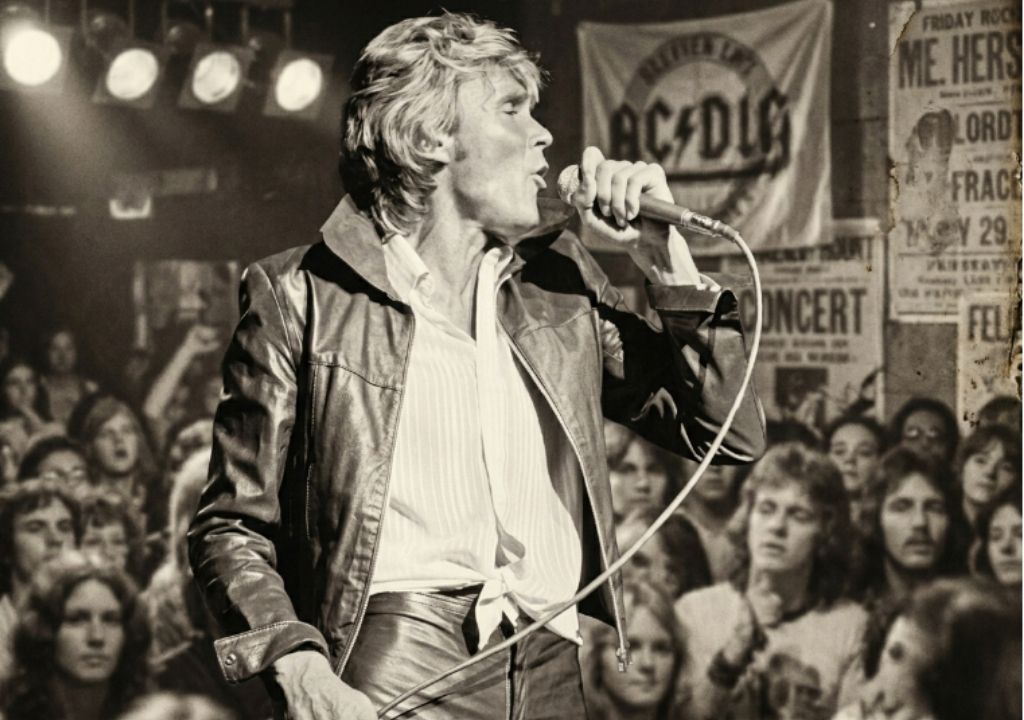
On the chilly evening of 12/04/1982, a fragile yet determined figure stepped into the hazy lights of the Sunnyside Club in Northampton. Ronald Wycherley, known to the world as Billy Fury, was fighting for every breath, his cardiovascular system severely compromised by childhood rheumatic fever. Decades of rock history have erroneously labeled this final public club show as a musical catastrophe, a messy end to a golden era. Yet, those who filled the room to capacity left with a profoundly different impression, witnessing a charismatic icon who radiated pure showmanship. The vast discrepancy between historical rumor and eyewitness reality raises a fascinating journalistic mystery about what truly transpired on that historic stage. Why did a performance that real fans celebrated as a beautiful triumph become remembered by revisionist critics as a devastating sonic disaster?
THE DETAILED STORY
The answer lies not in the artistry of the singer, but in the crude technology that captured it. The myth of the disaster was solidified when audio from the gig was preserved and later released on the compilation album titled Last Concert. Retrospective reviews, including critical assessments from major music archives like AllMusic, described the audio quality as barely superior to a standard bootleg. Listeners were subjected to severe sonic distortion, muddy acoustics, and an indistinct soundscape compiled from primitive audience tape recordings. Hit tracks like “Halfway to Paradise” were heavily marred by technological flaws rather than vocal failure. For casual listeners who only encountered the concert through these degraded tapes, the experience sounded like an absolute trainwreck.
However, looking past the distorted plastic reels reveals an entirely different investigative truth. In late 1982, the legendary vocalist was engineering a passionate comeback under Polydor Records, working closely with top industry producers. Despite his medical team advising extreme caution due to his failing heart, the singer refused to short-change his loyal followers. On stage at The Sunnyside, his voice remained remarkably powerful, navigating challenging arrangements with the organic intensity that characterized his peak Decca years. He delivered a complete 47-minute set, effortlessly breathing new life into classic tracks and Elvis Presley covers like “That’s All Right”.
The real tragedy was that this vibrant display of resilience would be his final public curtain call. Less than two months later, on 01/28/1983, the star suffered a fatal heart attack at his London home at the age of 42. History mistakenly merged the heartbreak of his sudden passing and the dreadful distortion of the bootleg tapes into a narrative of musical failure. The Sunnyside show was never an artistic disaster; it was a heroic, high-stakes victory over physical frailty that was unfortunately immortalized by the worst audio equipment imaginable.