Introduction
The mid-1960s marked a fascinating, transitional crossroads in the landscape of British popular music. While the rowdy energy of early rock and roll had begun to mature, and the clean-cut beat groups were starting to conquer the global airwaves, there remained a deeply passionate space reserved for the high-drama romantic ballad. It was an era defined by the crackle of heavy vinyl spinning on turntable platters, the warm glow of vacuum tubes inside record players, and the profound emotional weight that artists could squeeze into a three-minute single. Among the absolute titans of this golden age, few performers possessed the innate ability to turn a song into a full-scale cinematic experience quite like Liverpool’s original rock hero. To look back at his career from the vantage point of the present day is to appreciate a masterclass in musical vulnerability, a quality that transformed simple pop songs into lasting monuments of teenage heartbreak and bittersweet nostalgia.
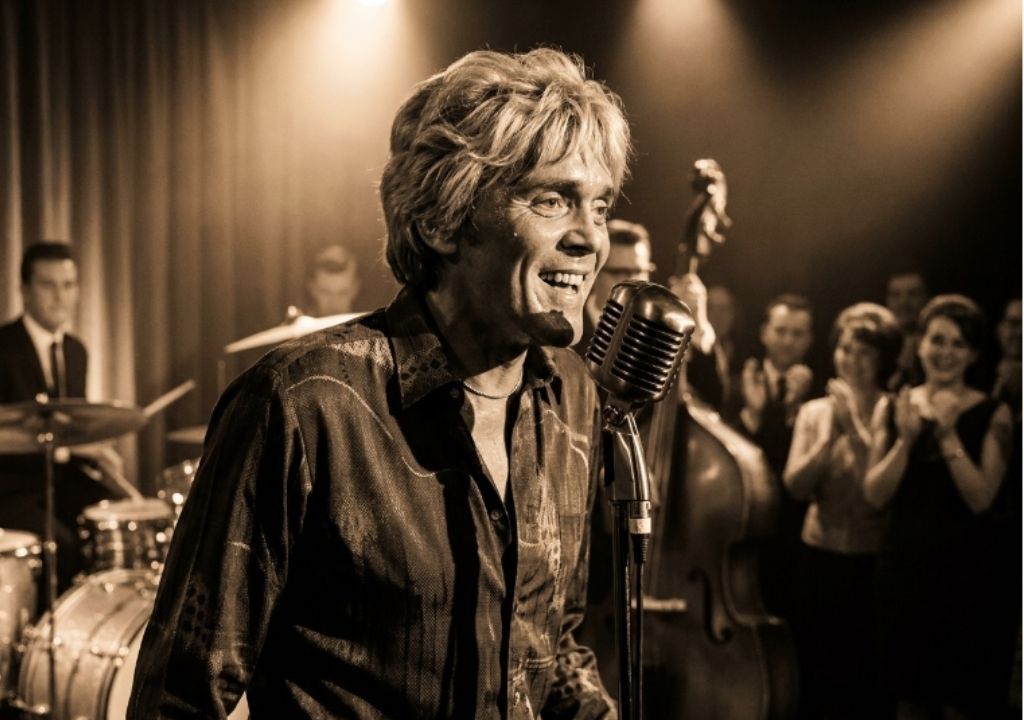
Billy Fury, born Ronald Wycherley, was never merely an entertainer; he was a walking vessel of raw sentiment. While many of his contemporaries attempted to replicate the aggressive, hyper-masculine swagger of American rock icons, Fury carved out an entirely unique path defined by a fragile, almost haunting sincerity. His voice possessed a natural, trembling vibrato that felt less like a rehearsed technique and more like an unfiltered window into a restless soul. This profound emotional depth was undoubtedly heightened by his personal history—a lifelong battle with severe heart complications stemming from childhood rheumatic fever meant that he lived and performed with a palpable sense of fleeting time. Every high note he reached, every whisper he uttered, carried the heavy gravity of someone who understood the preciousness of the present moment. By the time he entered Decca Studios in the summer of 1964 to record his own interpretation of an established classic, he was fully prepared to inject it with a distinct brand of British melancholia that would define his legacy.
When Fury tackled “It’s Only Make Believe,” he was stepping into the formidable shadow of Conway Twitty, who had taken the track to global heights in 1958 with a booming, near-gothic country-rock delivery. Yet, rather than imitating the original, Fury completely reimagined the song’s psychological architecture. Released in July 1964 under the legendary Decca label, Fury’s rendition swaps the rustic, heavy-handed despair of the fifties for a sophisticated, orchestral wall of sound that perfectly captures the isolation of unrequited love. The arrangement builds with an exquisite, slow-burning tension; the driving rhythm section sets a deliberate pace while lush, sweeping strings wrap around his vocals like a dense London fog. When Fury delivers the core confession—that the love he clings to is nothing more than a desperate fantasy—his voice rises to a spectacular, agonizing crescendo. It is the sound of a man completely aware of his own delusion, yet utterly powerless to break free from it, transforming the track into a masterpiece of pop-rock tragedy.
The public response was immediate and enduring, propelling the single straight into the Top 10 of the UK Singles Chart during a year when the musical landscape was being radically redefined by the British Invasion. The fact that Fury could secure such a massive hit in the middle of 1964 is a stunning testament to the timeless appeal of pure, unadulterated vocal showmanship. Decades later, listening to this masterpiece offers a warm refuge from the cold, polished nature of modern digital production. It serves as a glorious reminder of a time when music was judged by the depth of its feeling and the honesty of its delivery. Billy Fury left us far too soon, but through the enduring brilliance of tracks like this, his passionate spirit remains forever preserved in the grooves of music history, shining brightly for anyone who has ever loved, lost, or dared to dream in the dark.