Introduction
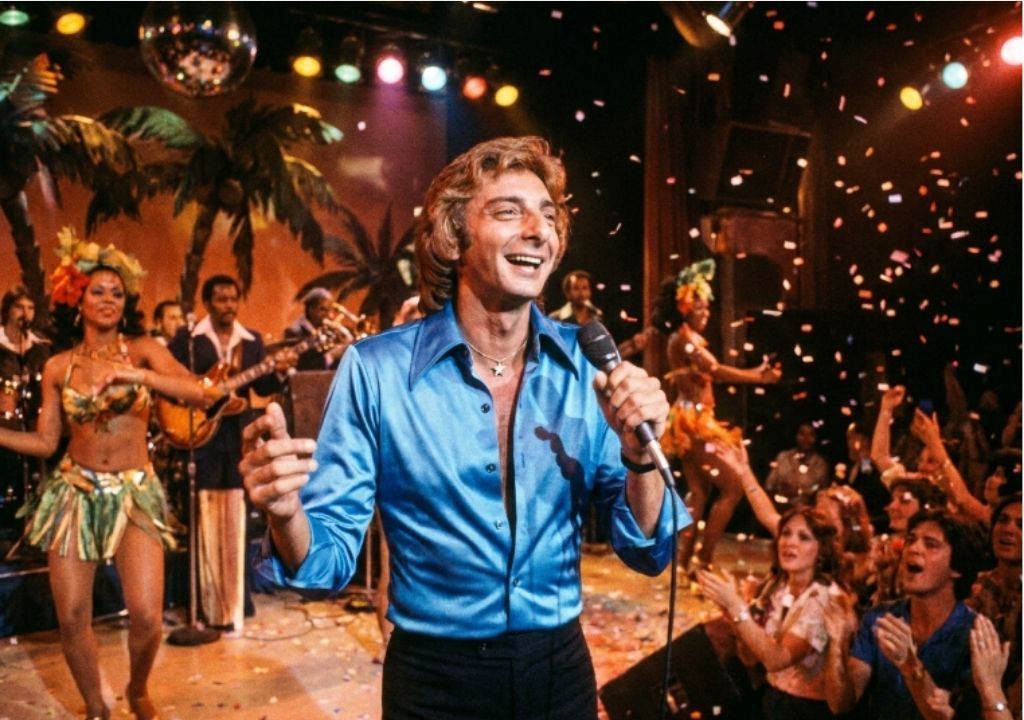
The year was 1978. The world was pulsing with the infectious, glitter-drenched energy of the disco era, a time when mirrored balls hung suspended from ceilings like artificial stars, casting shifting reflections across crowded dance floors. Amidst the synthesizers and the relentless four-on-the-floor drum beats, a distinct voice emerged—not just as a singer, but as a master weaver of tales. Barry Manilow, already a titan of the piano-driven power ballad, decided to pivot, stepping away from his introspective, weeping melodies to embrace the vibrant, cinematic storytelling of “Copacabana.” This was not merely a song; it was a mini-movie, a lush, tropical noir set within the confines of a bustling nightclub that felt both impossibly glamorous and tragically intimate.
When the opening percussion hits, you are immediately transported. You can smell the stale cigarettes mixing with the exotic perfume, feel the humidity of the Havana night, and visualize the neon signage flickering outside the entrance. The song follows the tragic, sweeping arc of Lola, a showgirl with “yellow feathers in her hair and a dress cut down to there,” and her partner, the bartender Tony. It is a classic narrative of love, jealousy, and the inevitable passage of time. Manilow’s brilliance lies in his delivery; he treats the tragedy of the lyrics with the same theatrical gravitas one might find in a Broadway production. He captures the essence of the 1940s Latin club aesthetic and marries it to the high-production values of the late 70s, creating a sound that felt both retro and futuristic.
The genius of “Copacabana” isn’t just in the catchy chorus or the brass section that punctuates the excitement—it is in the empathy Manilow injects into his characters. We aren’t just dancing to the beat; we are watching a life unravel. As the music swells, the joy of the dance floor begins to warp into something sharper, more urgent. It is a masterclass in tension and release. For those of us who lived through the era, this song is a potent time capsule. It captures the specific euphoria of the late 70s, a moment where popular music was unafraid to be grand, theatrical, and slightly melodramatic. Barry Manilow didn’t just write a pop hit; he created an anthem that continues to define an entire chapter of musical history. Every time those bongos start, the decades seem to melt away, leaving us standing back at the bar of the Copacabana, watching the lights dim, wondering where the time has gone, and singing along with a voice that defined a generation. It is timeless, theatrical, and eternally captivating. This track remains a testament to the fact that disco wasn’t just about rhythm; it was about human stories played out under the hum of the disco ball. It remains a masterclass in composition, proving that true artistry can flourish even within the most commercial of musical environments.